Counter basins have become increasingly popular in modern bathroom designs, offering both aesthetic appeal and functional advantages. These above-counter mounted fixtures require specific maintenance routines to preserve their beauty and ensure long-lasting performance. Understanding the proper care techniques for counter basins is essential for homeowners who want to maintain their investment while enjoying the sophisticated look these fixtures provide.
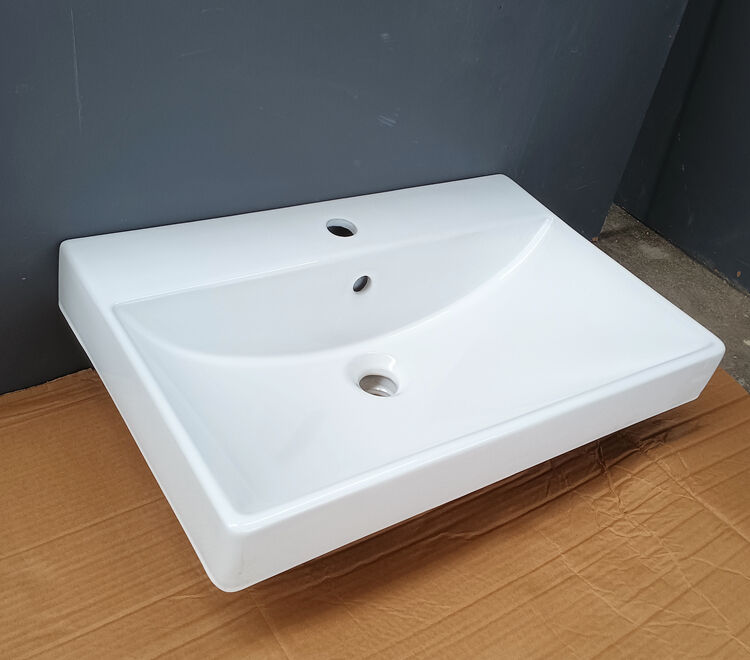
The maintenance requirements for counter basins vary depending on the material composition, usage frequency, and environmental factors. Ceramic and porcelain counter basins typically require different care approaches compared to natural stone or glass alternatives. Regular maintenance not only preserves the visual appeal but also prevents costly repairs and replacements in the future.
Maintaining counter basins starts with having the right cleaning supplies readily available. Mild, non-abrasive cleaners work best for most basin materials, particularly ceramic and porcelain varieties. Microfiber cloths are ideal for daily cleaning as they effectively remove water spots and soap residue without scratching delicate surfaces. Avoid harsh chemical cleaners that contain bleach or ammonia, as these can damage protective coatings and cause discoloration over time.
Soft-bristled brushes or sponges help remove stubborn stains without causing surface damage. Keep separate cleaning tools specifically for basin maintenance to prevent cross-contamination from other bathroom surfaces. A squeegee or lint-free cloth should be used for final drying to prevent water spots from forming on the basin surface.
Begin daily cleaning by rinsing the basin thoroughly with warm water to remove loose debris and soap residue. Apply a small amount of mild cleaning solution and gently wipe all surfaces using circular motions. Pay special attention to areas around the drain and overflow openings where buildup commonly occurs. The key to effective daily maintenance is consistency rather than intensive scrubbing.
After cleaning, rinse completely with clean water to remove all cleaning product residue. Thoroughly dry the basin with a clean, lint-free cloth to prevent water spots and mineral deposits. This simple daily routine prevents the accumulation of soap scum, hard water stains, and bacterial growth that can compromise both hygiene and appearance.
Hard water deposits pose one of the most common challenges in counter basin maintenance. These mineral buildups appear as white, chalky residues that gradually accumulate on basin surfaces, particularly around faucet bases and drain areas. Weekly deep cleaning sessions should specifically target these deposits before they become difficult to remove.
Create a natural cleaning solution using equal parts white vinegar and water for effective mineral deposit removal. Apply this solution to affected areas and allow it to sit for 10-15 minutes before gentle scrubbing. For stubborn deposits, slightly increase the vinegar concentration or use a paste made from baking soda and water. Always test cleaning solutions on inconspicuous areas first to ensure compatibility with your specific basin material.
Weekly maintenance should include thorough cleaning of drain and overflow components. Remove any visible debris from drain openings and use a small brush to clean around drain edges where soap scum typically accumulates. Pour a mixture of hot water and mild detergent down the drain to help dissolve buildup within the plumbing connections.
Overflow openings require special attention as they often harbor bacteria and develop unpleasant odors if neglected. Use a small brush or cotton swab to clean these areas thoroughly. Consider using enzymatic cleaners monthly to break down organic matter that may accumulate in these hard-to-reach spaces.
Ceramic and porcelain counter basins are among the most durable and low-maintenance options available. Their glazed surfaces resist staining and bacterial growth, making them ideal for busy households. However, proper care ensures these benefits are maintained throughout the basin's lifespan.
Avoid using abrasive cleaners or steel wool on ceramic surfaces, as these can scratch the protective glaze and create areas where stains and bacteria can develop. Instead, use gentle cleaning solutions and soft cloths for regular maintenance. For tough stains, create a paste using baking soda and water, apply it to the affected area, and let it sit before gentle scrubbing with a soft brush.
Natural stone counter basins require specialized maintenance approaches due to their porous nature and sensitivity to acidic substances. Materials like marble, granite, and travertine need regular sealing to prevent water absorption and staining. The frequency of sealing depends on the stone type and usage patterns, typically ranging from annually to every three years.
Acidic cleaners should never be used on natural stone surfaces as they can cause permanent etching and discoloration. Instead, use pH-neutral stone cleaners specifically formulated for natural stone maintenance. Immediate cleanup of spills is crucial for natural stone basins, as prolonged exposure to substances like wine, coffee, or citrus juices can cause permanent staining.
Preventing water damage around counter basins requires attention to both the basin itself and the surrounding countertop surface. Ensure that the basin is properly sealed to the countertop to prevent water infiltration that can lead to mold growth, structural damage, and costly repairs. Regular inspection of sealant lines helps identify potential problems before they become serious issues.
Install proper ventilation in the bathroom to reduce humidity levels that contribute to water damage and mold growth. Use exhaust fans during and after shower use to minimize moisture accumulation. Consider applying protective treatments to countertop surfaces around the basin to enhance water resistance and make cleanup easier.
Proactive stain prevention is more effective than stain removal after the fact. Encourage household members to rinse basins immediately after use, particularly when using products that can cause staining such as hair dyes, makeup, or medications. Keep cleaning supplies easily accessible to encourage regular maintenance habits.
Consider using basin mats or protective films in high-use areas to prevent scratches and stains from cosmetic containers and toiletry items. However, ensure these protective measures don't interfere with proper drainage or create areas where bacteria can accumulate. Regular replacement of protective materials is essential for maintaining hygiene standards.
While daily and weekly maintenance can handle most counter basin care requirements, annual professional inspections provide valuable preventive maintenance benefits. Professional plumbers can identify potential issues with drain connections, water supply lines, and mounting systems before they result in water damage or basin failure.
Professional inspections should include checking the integrity of sealants, examining drain function, and assessing the overall condition of basin mounting systems. Early identification of loose connections or deteriorating seals can prevent expensive repairs and water damage to surrounding structures.
Even with excellent maintenance, counter basins may eventually show signs of wear that affect their appearance and function. Professional refinishing services can restore the original beauty of ceramic and porcelain basins by repairing chips, cracks, and surface damage. This option is often more cost-effective than complete basin replacement.
For natural stone basins, professional polishing and resealing services can restore the original luster and protect against future damage. These services typically include deep cleaning, repair of minor damage, and application of protective sealers that enhance durability and maintain appearance.
Persistent odors emanating from counter basins often indicate bacterial growth in drain lines or overflow areas. Regular cleaning with enzymatic drain cleaners can help break down organic matter that contributes to odor development. If odors persist despite regular cleaning, professional drain cleaning may be necessary to remove deep buildup within the plumbing system.
Check for proper ventilation around the basin area, as poor air circulation can contribute to moisture retention and bacterial growth. Ensure that P-traps maintain proper water seals by running water regularly in guest bathrooms or seldom-used basins. Dry P-traps can allow sewer gases to enter the bathroom through drain openings.
Slow drainage in counter basins typically results from hair, soap residue, and debris accumulation in drain lines. Regular removal of visible debris from drain openings prevents most drainage problems. Use drain screens or strainers to catch hair and large particles before they enter the plumbing system.
For minor drainage slowdowns, flush drains weekly with hot water to help dissolve soap buildup. Avoid using chemical drain cleaners regularly, as these can damage plumbing components and basin finishes. Instead, opt for mechanical removal methods or enzymatic cleaners that break down organic matter safely.
Counter basins should receive deep cleaning treatments weekly to prevent buildup of hard water deposits, soap scum, and bacteria. Daily light cleaning combined with weekly intensive maintenance provides the best balance of hygiene and basin preservation. High-use basins may require more frequent deep cleaning, while guest bathroom basins can often be maintained with less frequent intensive cleaning sessions.
Avoid abrasive cleaners, bleach-based products, and acidic solutions on most counter basin materials. Steel wool, scouring powders, and harsh chemicals can damage protective finishes and create areas where stains and bacteria can develop. Always use mild, pH-neutral cleaners specifically designed for your basin material type, and test new products on inconspicuous areas before full application.
Yes, counter basins can develop hairline cracks due to thermal stress, impact damage, or settling of mounting systems. Small cracks should be addressed promptly by professionals to prevent water infiltration and further damage. Professional repair services can often restore basin integrity and appearance without requiring complete replacement, making early intervention both practical and cost-effective.
Prevent water spots by thoroughly drying basin surfaces after each use with a clean, lint-free cloth or squeegee. Use a water softening system if hard water is a persistent problem in your area. Regular application of protective waxes or sealers designed for your specific basin material can also help repel water and make spot prevention easier during daily maintenance routines.

ALWAYS FIGHT FOR BETTER SOLUTIONS TO YOUR BUSINESS.
Copyright © 2026 Chaoan Meizhi Ceramics Co., Ltd.
 EN
EN
 AR
AR BG
BG NL
NL FI
FI FR
FR DE
DE EL
EL IT
IT NO
NO PL
PL PT
PT RO
RO RU
RU ES
ES SV
SV TL
TL LV
LV LT
LT SR
SR UK
UK VI
VI SQ
SQ HU
HU MT
MT TH
TH AF
AF MS
MS KA
KA