Modern bathrooms are increasingly incorporating advanced technology to enhance daily routines and improve functionality. Among the most popular innovations are smart mirrors, which combine traditional reflective surfaces with digital displays, LED lighting, and interactive features. These sophisticated devices offer convenience and luxury, but their use in wet environments raises important safety considerations that homeowners and designers must carefully evaluate before installation.
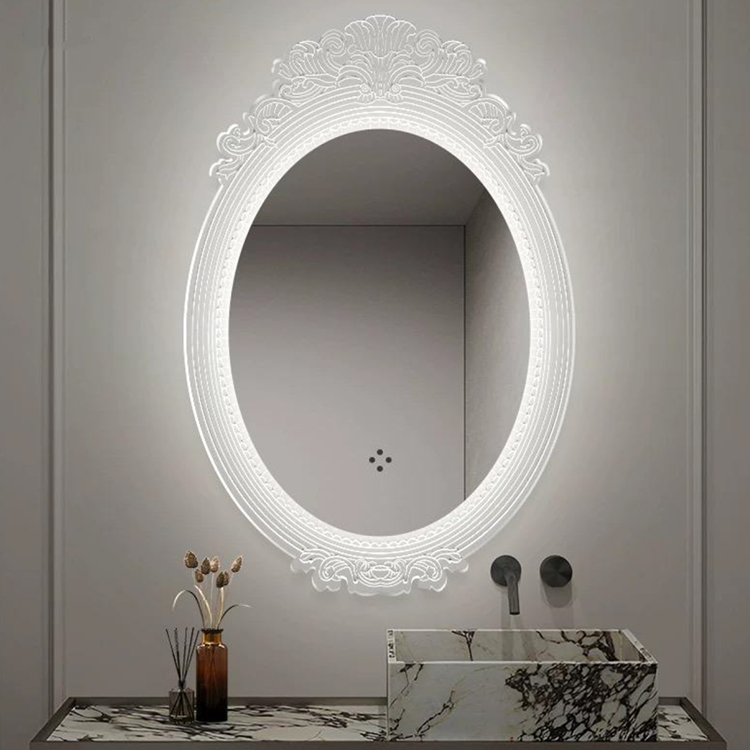
The integration of electronic components with moisture-prone areas requires thorough understanding of safety protocols, proper installation methods, and ongoing maintenance practices. While smart mirrors are designed to withstand bathroom conditions, their safety depends heavily on factors such as IP ratings, electrical protection systems, and compliance with local building codes. Understanding these elements helps ensure that technological upgrades enhance rather than compromise bathroom safety.
Professional installation and adherence to manufacturer guidelines play crucial roles in maintaining safe operation in humid conditions. The electrical systems within smart mirrors must be properly protected against water ingress, and appropriate safety measures must be implemented to prevent electrical hazards. These considerations become particularly important in areas directly exposed to shower spray or steam accumulation.
Ingress Protection ratings provide standardized measurements of electronic device resistance to solid particles and liquids. For bathroom applications, smart mirrors typically require IP44 or higher ratings to ensure adequate protection against water splashes and steam exposure. The first digit indicates protection against solid objects, while the second digit specifically addresses liquid protection levels.
IP44 rated devices can withstand water splashing from any direction, making them suitable for most bathroom installations outside of direct shower areas. Higher ratings such as IP65 offer protection against water jets and are recommended for installations in closer proximity to shower enclosures or areas with heavy moisture exposure.
Understanding these ratings helps consumers select appropriate smart mirrors for their specific bathroom layouts and usage patterns. Manufacturers typically specify recommended installation zones based on IP ratings, ensuring optimal performance while maintaining safety standards in wet environments.
The physical construction of smart mirrors plays a vital role in their water resistance capabilities. High-quality models feature sealed electronics compartments, waterproof connections, and corrosion-resistant materials that withstand continuous moisture exposure. Tempered glass surfaces with anti-fog coatings provide durability while maintaining visibility in steamy conditions.
Edge sealing technology prevents moisture infiltration into electronic components, while specialized gaskets and weatherstripping create barriers against water ingress. These construction elements work together to maintain the integrity of internal systems even under challenging bathroom conditions.
Premium smart mirrors often incorporate redundant sealing systems and moisture detection sensors that can alert users to potential water intrusion before damage occurs. These advanced features provide additional safety layers for long-term reliable operation in wet environments.
Ground Fault Circuit Interrupter protection represents a fundamental safety requirement for all electrical devices installed in bathroom environments. Smart mirrors must be connected through GFCI-protected circuits to prevent electrical shock hazards in the event of ground faults or moisture-related electrical issues.
GFCI devices monitor electrical current flow and immediately disconnect power when imbalances are detected, typically within milliseconds. This rapid response prevents potentially dangerous electrical currents from flowing through water or human contact, providing essential protection in wet environments where the risk of electrical accidents increases significantly.
Professional electricians ensure proper GFCI installation and testing during smart mirror setup, verifying that protection systems function correctly before final commissioning. Regular GFCI testing should be performed monthly to maintain optimal safety performance throughout the mirror's operational life.
Adequate electrical grounding provides the foundation for safe smart mirror operation in bathroom environments. Proper grounding systems create safe pathways for electrical faults to dissipate harmlessly, preventing dangerous voltage accumulation on mirror surfaces or mounting hardware that could pose shock hazards to users.
Circuit design must account for the electrical load requirements of smart mirrors while maintaining appropriate safety margins. Dedicated circuits prevent overloading and ensure stable power delivery, reducing the risk of electrical fires or equipment damage that could compromise safety in wet conditions.
Professional installation includes verification of grounding continuity, proper wire sizing, and compliance with National Electrical Code requirements specific to bathroom installations. These measures ensure that electrical systems operate safely even when exposed to moisture or humidity fluctuations.
Bathroom electrical zones classify areas based on their proximity to water sources and exposure to moisture. Zone 0 encompasses areas inside bathtubs or shower basins, while Zone 1 extends above bathtubs and within shower enclosures. Zone 2 covers areas within 0.6 meters horizontally from Zone 1 boundaries, and areas beyond Zone 2 are generally considered safer for electrical installations.
Smart mirrors are typically prohibited in Zones 0 and 1 due to direct water exposure risks. Zone 2 installations may be permitted with appropriate IP ratings and additional safety measures, while areas outside defined zones offer the safest installation locations for most smart mirror applications.
Local building codes may impose additional restrictions beyond standard zone classifications, requiring consultation with qualified professionals to ensure compliance. Understanding these requirements prevents unsafe installations that could lead to electrical hazards or code violations.
Proper clearance distances from water sources help minimize moisture exposure and reduce safety risks associated with smart mirror installations. Maintaining adequate separation from showers, bathtubs, and sinks creates buffer zones that protect electronic components from direct water contact while preserving functionality.
Mounting height and angle affect both safety and usability, requiring careful consideration of user accessibility and water splash patterns. Higher installations generally offer better protection from direct water exposure but must remain within practical reach for user interaction and maintenance access.
Wall preparation and mounting hardware selection must account for moisture exposure and thermal expansion that occurs in bathroom environments. Proper anchoring systems prevent mirror displacement that could damage electrical connections or create safety hazards over time.
Systematic inspection of smart mirrors helps identify potential safety issues before they develop into serious hazards. Visual examination of seals, connections, and mounting hardware should be performed regularly to detect signs of moisture intrusion, corrosion, or mechanical wear that could compromise safety performance.
Electrical testing by qualified technicians verifies continued proper operation of safety systems including GFCI protection, grounding continuity, and insulation resistance. These professional assessments help ensure that safety measures remain effective throughout the mirror's operational life in challenging bathroom conditions.
Documentation of inspection results and maintenance activities creates valuable records for warranty claims and helps establish patterns that may indicate developing issues. Regular maintenance schedules based on manufacturer recommendations and usage patterns optimize safety while preserving smart mirror functionality.
Proper cleaning techniques help maintain smart mirror safety while preserving electronic components and surface quality. Using appropriate cleaning solutions and methods prevents damage to protective coatings and seals that provide water resistance in wet environments.
Avoiding excessive moisture during cleaning prevents water intrusion into electronic compartments that could create safety hazards. Gentle cleaning approaches using slightly damp microfiber cloths followed by thorough drying help maintain cleanliness without compromising protective systems.
Power disconnection during intensive cleaning activities eliminates electrical risks and prevents accidental activation of features that could interfere with cleaning processes. Following manufacturer guidelines for cleaning frequency and methods helps preserve both safety and functionality over time.
Smart mirrors should not be installed directly above bathtubs as this location falls within Zone 1, where electrical devices are prohibited due to direct water exposure risks. Installation should occur outside designated wet zones, typically at least 0.6 meters horizontally from bathtub edges, with appropriate IP ratings for the selected location.
Water intrusion can cause electrical shorts, component damage, and potential safety hazards including shock or fire risks. Properly rated smart mirrors with adequate sealing should prevent water ingress, but if moisture penetration occurs, the unit should be immediately disconnected from power and professionally inspected before further use.
GFCI protection should be tested monthly using the test and reset buttons on the device to ensure proper operation. Additionally, professional electrical inspections should verify GFCI functionality during regular maintenance visits, typically annually, to confirm continued protection against ground faults in wet environments.
Yes, smart mirror installations must comply with National Electrical Code requirements for bathroom electrical devices, including GFCI protection, proper grounding, and zone compliance. Local building codes may impose additional restrictions, making professional consultation essential to ensure safe and legal installation in wet environments.

ALWAYS FIGHT FOR BETTER SOLUTIONS TO YOUR BUSINESS.
Copyright © 2026 Chaoan Meizhi Ceramics Co., Ltd.
 EN
EN
 AR
AR BG
BG NL
NL FI
FI FR
FR DE
DE EL
EL IT
IT NO
NO PL
PL PT
PT RO
RO RU
RU ES
ES SV
SV TL
TL LV
LV LT
LT SR
SR UK
UK VI
VI SQ
SQ HU
HU MT
MT TH
TH AF
AF MS
MS KA
KA