Modern bathrooms are evolving beyond traditional fixtures, embracing intelligent technology that enhances functionality while reducing environmental impact. The energy efficient smart mirror represents a significant advancement in sustainable home design, combining cutting-edge features with responsible energy consumption. These innovative fixtures are transforming how we approach daily routines while addressing growing concerns about electricity usage and environmental sustainability.
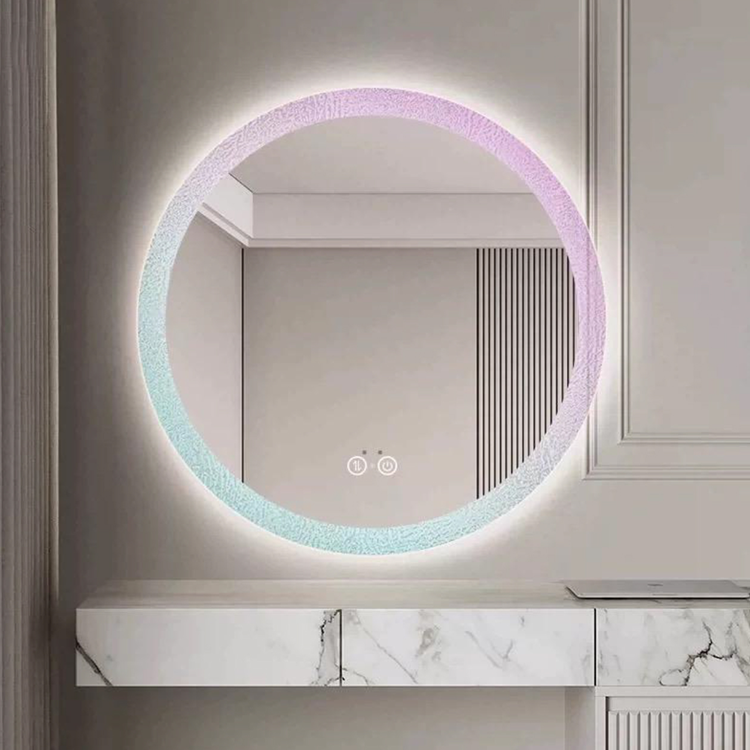
Today's consumers increasingly prioritize products that deliver superior performance without compromising environmental responsibility. Smart mirrors equipped with energy-saving technologies offer an ideal solution for eco-conscious homeowners seeking to modernize their spaces. Understanding the key factors that contribute to energy efficiency helps consumers make informed decisions when selecting bathroom fixtures that align with their sustainability goals.
The foundation of any energy efficient smart mirror lies in its LED lighting system, which consumes significantly less electricity compared to traditional incandescent or fluorescent bulbs. Modern LED arrays integrated into smart mirrors typically use 80-90% less energy while producing superior light quality and longevity. These semiconductor-based light sources convert electricity directly into light with minimal heat generation, maximizing efficiency and reducing waste.
Advanced LED controllers enable precise dimming capabilities, allowing users to adjust brightness levels according to specific needs and time of day. This adaptive lighting feature further reduces energy consumption by ensuring the mirror only uses the necessary amount of power for optimal visibility. Many smart mirrors incorporate ambient light sensors that automatically adjust LED brightness based on surrounding conditions, optimizing energy usage throughout different periods.
Sophisticated power management circuits play a crucial role in minimizing energy waste within smart mirror systems. These intelligent controllers monitor usage patterns and automatically enter low-power standby modes when the mirror is not in active use. The transition between active and standby states occurs seamlessly, preserving user experience while significantly reducing overall electricity consumption during idle periods.
Modern smart mirrors feature programmable scheduling functions that allow users to customize operating times based on daily routines. This capability ensures the mirror operates efficiently during peak usage hours while remaining in energy-saving mode during extended periods of inactivity. Some advanced models incorporate learning algorithms that adapt to user behavior patterns, further optimizing power consumption over time.
Contemporary smart mirrors utilize energy-efficient display technologies that minimize power consumption while delivering crisp, vibrant visual information. These displays employ advanced backlighting systems and optimized pixel arrangements to reduce electricity requirements without compromising image quality. The integration of low-power processors and efficient display drivers ensures smooth operation while maintaining minimal energy footprint.
Many manufacturers implement selective display activation, where only specific screen areas illuminate when displaying information, rather than powering the entire display surface continuously. This targeted approach significantly reduces energy consumption, particularly for applications showing time, weather, or other basic information that doesn't require full-screen activation. The strategic use of dark themes and optimized color palettes further enhances energy efficiency by reducing the power required for display backlighting.
Motion sensors and proximity detection systems enable energy efficient smart mirror operation by activating features only when users are present. These sophisticated sensors can detect movement within specific ranges, ensuring the mirror powers up instantly when needed while remaining in energy-saving mode during unoccupied periods. The precision of modern sensor technology eliminates false activations that would waste energy unnecessarily.
Temperature and humidity sensors contribute to energy efficiency by enabling climate-responsive adjustments to display brightness and anti-fog heating elements. These environmental monitoring systems ensure optimal performance while preventing unnecessary energy consumption during favorable conditions. Smart algorithms process sensor data to make real-time decisions about feature activation, maintaining comfort and functionality while prioritizing energy conservation.
Traditional mirror heating systems often consume excessive energy to prevent fogging, but modern smart mirrors employ targeted heating zones and intelligent thermal management. These systems use thin-film heating elements that warm only specific mirror areas where fogging typically occurs, rather than heating the entire surface uniformly. This selective approach reduces energy consumption while maintaining clear visibility in critical viewing areas.
Smart thermal controllers monitor humidity levels and ambient temperature to determine when anti-fog heating is actually necessary. During periods of low humidity or adequate ventilation, these systems remain inactive, preserving energy for more essential functions. Some advanced mirrors incorporate predictive algorithms that pre-heat surfaces based on usage patterns and environmental conditions, optimizing both energy efficiency and user comfort.
Proper insulation design plays a vital role in maintaining energy efficiency within smart mirror heating systems. High-quality thermal barriers prevent heat loss to surrounding walls and fixtures, ensuring that generated warmth effectively serves its intended purpose. Strategic placement of heating elements and thermal conductors maximizes heat distribution efficiency while minimizing overall power requirements.
Modern smart mirrors incorporate heat recovery systems that capture and redistribute waste heat from electronic components to supplement dedicated heating elements. This innovative approach reduces the additional energy required for anti-fog functionality by utilizing heat that would otherwise be dissipated into the surrounding environment. The integration of thermal management systems creates a more holistic approach to energy efficiency across all mirror functions.
Advanced control systems enable users to optimize energy consumption through intelligent automation and customizable settings. These platforms allow precise control over individual mirror functions, enabling users to disable unnecessary features and adjust power consumption according to personal preferences. Smart scheduling capabilities ensure that energy-intensive functions operate only during specified times, reducing overall electricity usage without sacrificing convenience.
Machine learning algorithms analyze usage patterns to automatically optimize energy consumption based on individual household routines. These systems identify peak usage periods, preferred brightness levels, and frequently accessed features to create personalized energy profiles. Over time, the smart mirror learns to anticipate user needs while minimizing power consumption during predictable low-activity periods.
Modern smart mirrors provide real-time energy consumption monitoring through dedicated mobile applications and web interfaces. These platforms display detailed usage statistics, allowing users to identify energy-intensive functions and adjust settings accordingly. Historical data analysis helps users understand long-term consumption patterns and make informed decisions about optimizing energy efficiency.
Integration with home energy management systems enables smart mirrors to participate in broader household efficiency initiatives. These connections allow mirrors to adjust their power consumption based on overall home energy usage, utility rates, and renewable energy availability. During peak demand periods or high electricity costs, smart mirrors can automatically reduce non-essential functions to minimize environmental impact and utility expenses.
Correct installation procedures significantly impact the long-term energy efficiency of smart mirror systems. Proper electrical connections, adequate ventilation, and appropriate mounting techniques ensure optimal performance while preventing energy waste due to overheating or inefficient operation. Professional installation typically includes system calibration and optimization settings that maximize energy efficiency from the initial setup.
Environmental factors such as bathroom ventilation, lighting conditions, and wall insulation affect smart mirror energy consumption. Installing mirrors in locations with adequate natural ventilation reduces reliance on anti-fog heating systems, while strategic placement relative to existing lighting minimizes the need for maximum LED brightness. These considerations contribute significantly to overall energy efficiency throughout the mirror's operational lifetime.
Regular maintenance procedures help preserve energy efficiency by ensuring all components operate at peak performance levels. Cleaning LED arrays, sensor surfaces, and ventilation areas prevents performance degradation that could increase power consumption over time. Periodic software updates often include energy optimization improvements and bug fixes that enhance overall efficiency.
Monitoring system diagnostics helps identify potential issues before they impact energy consumption significantly. Many smart mirrors include self-diagnostic capabilities that alert users to maintenance needs or component failures that could affect efficiency. Proactive maintenance scheduling ensures continued optimal performance while preventing energy waste due to malfunctioning components or outdated software.
Most energy efficient smart mirrors consume between 15-50 watts during active operation, which is comparable to a standard LED light bulb. During standby mode, consumption drops to 1-3 watts, making them significantly more efficient than traditional lighted mirrors or separate bathroom fixtures. The exact consumption depends on screen size, feature complexity, and usage patterns.
LED lighting systems, motion sensors, and intelligent power management are the primary contributors to energy efficiency in smart mirrors. These features work together to minimize power consumption during idle periods while providing full functionality when needed. Advanced thermal management and selective heating also play important roles in reducing overall energy requirements.
Yes, many modern smart mirrors support integration with home automation and energy management platforms. This connectivity enables coordinated energy optimization across multiple household devices and allows mirrors to respond to utility demand programs or renewable energy availability. Integration capabilities vary by manufacturer and model specifications.
Energy efficient smart mirrors typically consume 60-80% less energy than traditional setups combining separate mirrors, lighting fixtures, and heating elements. The integrated design eliminates redundant components and enables coordinated operation of all functions. Smart mirrors also provide superior control over energy consumption through automated features and user customization options.

ALWAYS FIGHT FOR BETTER SOLUTIONS TO YOUR BUSINESS.
Copyright © 2026 Chaoan Meizhi Ceramics Co., Ltd.
 EN
EN
 AR
AR BG
BG NL
NL FI
FI FR
FR DE
DE EL
EL IT
IT NO
NO PL
PL PT
PT RO
RO RU
RU ES
ES SV
SV TL
TL LV
LV LT
LT SR
SR UK
UK VI
VI SQ
SQ HU
HU MT
MT TH
TH AF
AF MS
MS KA
KA