Modern bathroom technology has revolutionized how we approach personal hygiene and home comfort. Among the most significant innovations in recent years is the smart toilet, which combines traditional functionality with advanced digital features. These intelligent fixtures offer automated cleaning, heated seats, customizable water pressure, and even health monitoring capabilities that transform the everyday bathroom experience into something extraordinary.
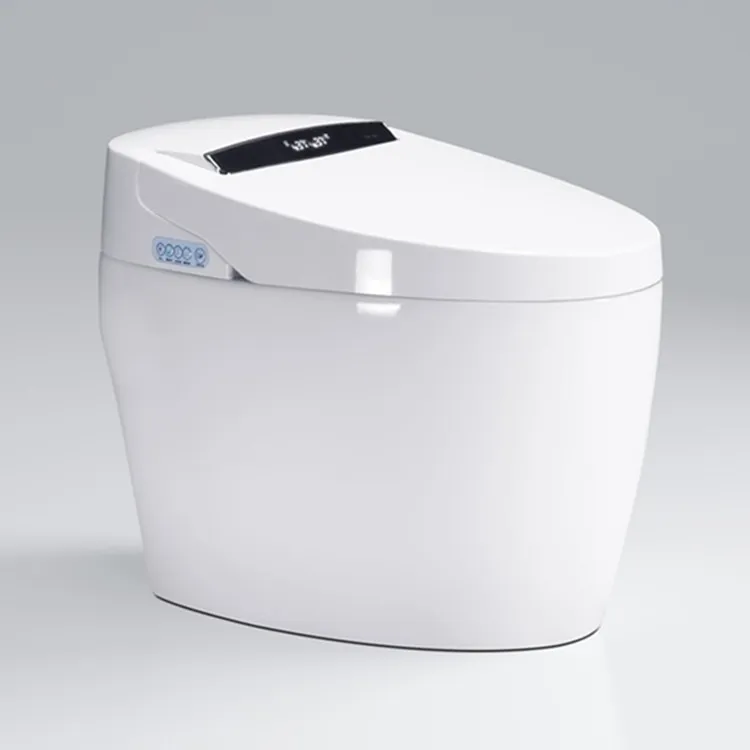
The smart toilet market has experienced tremendous growth as homeowners increasingly prioritize luxury, efficiency, and hygiene in their living spaces. These sophisticated fixtures represent more than just a bathroom upgrade; they embody a shift toward intelligent home automation that enhances daily routines while providing long-term value through water conservation and improved sanitation.
A smart toilet incorporates multiple technological components that work together to create an enhanced user experience. The integrated bidet function provides gentle cleansing with adjustable water temperature and pressure settings, eliminating the need for traditional toilet paper in many cases. Most models feature automatic seat lifting and closing mechanisms that respond to user presence through motion sensors.
Temperature control systems maintain comfortable seat warmth throughout the day, while air drying functions complete the hands-free experience. Advanced smart toilet models include deodorization systems that neutralize odors automatically, creating a consistently fresh bathroom environment. These features combine to deliver unprecedented comfort and hygiene that traditional toilets simply cannot match.
Modern smart toilet designs incorporate intuitive control interfaces that allow users to customize their experience precisely. Remote control panels or smartphone applications enable adjustment of water pressure, temperature, and spray patterns to suit individual preferences. Many units store multiple user profiles, automatically adjusting settings based on who approaches the fixture.
Voice control integration with popular smart home systems allows hands-free operation of key functions. LED lighting systems provide gentle illumination for nighttime use without harsh overhead lighting. These digital features transform the smart toilet from a simple fixture into an intelligent bathroom companion that adapts to user needs and preferences.
The hygiene advantages of a smart toilet extend far beyond traditional cleaning methods. The integrated bidet functionality provides thorough cleansing that reduces bacterial contamination and promotes better personal health. Water-based cleaning proves more effective than toilet paper alone, particularly for individuals with mobility limitations or certain medical conditions.
Automatic flushing systems minimize contact with potentially contaminated surfaces, while UV sterilization features in premium models actively eliminate harmful microorganisms. The self-cleaning capabilities of many smart toilet units include automatic bowl washing and disinfection cycles that maintain optimal hygiene standards without manual intervention.
Advanced smart toilet models incorporate health monitoring sensors that can track various wellness indicators. These systems may monitor urinalysis parameters, providing valuable health data that users can share with healthcare providers. Some models track usage patterns and can detect potential health concerns through changes in bathroom habits.
For elderly users or those managing chronic conditions, these monitoring features provide peace of mind and early warning systems for potential health issues. The data collection capabilities of a smart toilet can contribute to preventive healthcare approaches while maintaining user privacy and data security.
Despite their advanced features, many smart toilet models actually consume less water than traditional fixtures through intelligent flush optimization. Dual-flush systems automatically select appropriate water volumes based on waste type, while some models use recycled greywater for certain functions. The precision water delivery systems for bidet functions use minimal water compared to traditional bidets.
Smart sensors ensure that flushing occurs only when necessary, preventing waste from accidental activation. Some advanced models incorporate rainwater collection systems or greywater recycling capabilities that further reduce environmental impact. These conservation features make the smart toilet an environmentally responsible choice for eco-conscious homeowners.
The integrated bidet functionality of a smart toilet can dramatically reduce or eliminate toilet paper usage in households. This reduction translates to significant environmental benefits, including decreased deforestation, reduced manufacturing emissions, and lower transportation-related carbon footprints. The air drying features further minimize the need for additional paper products.
For families committed to reducing their environmental footprint, the transition to smart toilet technology represents a meaningful step toward sustainable living. The long-term reduction in paper product purchases also provides ongoing cost savings that contribute to the overall value proposition of these advanced fixtures.
The upfront cost of a smart toilet represents a significant investment that varies considerably based on features and brand reputation. Entry-level models with basic bidet functionality and heated seats typically start around fifteen hundred dollars, while premium units with comprehensive health monitoring and advanced automation can exceed five thousand dollars. Installation costs may add several hundred dollars, particularly if electrical connections or plumbing modifications are required.
However, the initial investment should be evaluated against the long-term benefits and savings that smart toilet technology provides. Premium bathroom fixtures typically retain their value well and can enhance overall property valuation, making the investment partially recoverable through increased home equity.
The operational savings from smart toilet ownership accumulate over time through reduced consumable costs and maintenance requirements. Elimination or significant reduction of toilet paper purchases can save hundreds of dollars annually for larger households. Water conservation features may reduce utility bills, particularly in areas with high water costs or tiered pricing structures.
Reduced wear on septic systems and plumbing infrastructure can prevent costly repairs and extend system lifespans. The durability and reliability of quality smart toilet models often result in lower maintenance costs compared to traditional fixtures that require more frequent repairs and replacements. These cumulative savings help offset the initial investment over the fixture's lifespan.
Installing a smart toilet typically requires professional expertise due to the electrical and plumbing connections involved. Most units need dedicated electrical circuits to power the various electronic components safely and reliably. Water supply lines may require modification to accommodate the bidet functions and temperature control systems.
The installation process usually takes several hours and may require temporary bathroom closure during the work. Professional installers ensure proper electrical grounding, water pressure optimization, and feature calibration that guarantees optimal performance. While DIY installation is possible for some models, professional installation protects warranty coverage and ensures safety compliance.
Maintaining a smart toilet involves both automated self-cleaning cycles and periodic manual maintenance tasks. Most models include automatic cleaning programs that run daily or weekly to maintain hygiene standards and component functionality. Users typically need to replace water filters, check electrical connections, and perform basic cleaning of external surfaces.
Regular software updates may be available to enhance functionality or address security concerns, particularly for models with internet connectivity. Professional service may be required annually or biannually to ensure optimal performance and address any technical issues. The maintenance requirements are generally minimal compared to the convenience and benefits provided by smart toilet technology.
Entry-level smart toilet models typically include basic bidet functionality, heated seats, and automatic flushing capabilities. These units provide significant upgrades over traditional toilets while maintaining reasonable price points for budget-conscious consumers. Basic models may lack advanced features like health monitoring, extensive customization options, or premium materials.
Premium smart toilet models incorporate comprehensive feature sets including multiple wash modes, air purification systems, integrated speakers, and smartphone connectivity. High-end units often feature superior build quality, extended warranties, and advanced automation that learns user preferences over time. The choice between entry-level and premium options depends on budget constraints and desired functionality levels.
Selecting a smart toilet from reputable manufacturers ensures reliable performance, comprehensive warranty coverage, and ongoing technical support. Established brands typically offer extensive service networks, readily available replacement parts, and regular software updates that maintain product functionality over time. Customer service quality becomes particularly important for complex electronic fixtures that may require technical assistance.
Research into brand reputation, user reviews, and warranty terms helps inform smart toilet purchasing decisions. Some manufacturers specialize exclusively in bathroom fixtures, while others bring expertise from broader technology sectors. The best choice often depends on specific feature priorities and long-term support requirements for the smart toilet investment.
Modern smart toilet models increasingly offer integration with popular home automation platforms, allowing coordinated control with other smart devices. Voice assistants can control basic functions, while smartphone applications provide detailed customization and monitoring capabilities. Integration with smart home lighting systems can create automated bathroom experiences that activate upon entry.
Advanced connectivity features enable remote monitoring and control, allowing users to prepare their smart toilet experience before entering the bathroom. Some models can communicate with smart thermostats to optimize bathroom temperature, or coordinate with smart mirrors and lighting for comprehensive bathroom automation. These integrations enhance convenience while demonstrating the potential for fully connected home environments.
Connected smart toilet systems raise important privacy and security questions that users should address before installation. Health monitoring features collect sensitive personal data that requires secure storage and transmission protocols. Users should understand data collection practices, storage locations, and sharing policies before enabling advanced monitoring features.
Network security measures become crucial for smart toilet installations, including regular password updates, secure network connections, and firmware updates that address security vulnerabilities. Some users may prefer models with limited connectivity to minimize privacy concerns while still enjoying core smart toilet functionality. Balancing convenience with privacy requires careful consideration of individual preferences and security requirements.
A typical smart toilet consumes between 3 to 8 kilowatt-hours per day, depending on features used and frequency of operation. The heated seat and water heating functions account for most energy consumption, while electronic controls and sensors use minimal power. Most units include energy-saving modes that reduce consumption during inactive periods. Annual electricity costs typically range from one hundred to three hundred dollars, making smart toilet operation quite economical for most households.
Most smart toilet models retain basic flushing functionality during power outages through manual flush mechanisms or battery backup systems. However, electronic features like heated seats, bidet functions, and automated controls become unavailable without electricity. Some premium models include backup battery systems that maintain essential functions for several hours during outages. Users should verify emergency operation procedures with their specific smart toilet model to understand available functionality during power disruptions.
Smart toilet maintenance typically involves monthly cleaning of external surfaces, quarterly filter replacements, and annual professional inspections. Most models include automated self-cleaning cycles that handle internal sanitation requirements. Users should regularly check water connections, test electronic functions, and update software as recommended by manufacturers. Following the recommended maintenance schedule ensures optimal performance and extends the smart toilet lifespan while maintaining warranty coverage.
Smart toilet systems can accommodate users of all ages through adjustable settings and safety features designed for family use. Child-safety modes prevent accidental activation of powerful water jets while maintaining gentle cleansing options appropriate for younger users. Height-adjustable features and user profiles allow customization for different family members. However, very young children may still require supervision and assistance to operate smart toilet functions safely and effectively.

ALWAYS FIGHT FOR BETTER SOLUTIONS TO YOUR BUSINESS.
Copyright © 2026 Chaoan Meizhi Ceramics Co., Ltd.
 EN
EN
 AR
AR BG
BG NL
NL FI
FI FR
FR DE
DE EL
EL IT
IT NO
NO PL
PL PT
PT RO
RO RU
RU ES
ES SV
SV TL
TL LV
LV LT
LT SR
SR UK
UK VI
VI SQ
SQ HU
HU MT
MT TH
TH AF
AF MS
MS KA
KA