Water conservation has become a critical concern for households and commercial establishments worldwide, driving innovation in bathroom fixtures and sanitary equipment. Smart toilets represent a revolutionary advancement in water-saving technology, combining sophisticated engineering with intelligent design to dramatically reduce water consumption without compromising performance or hygiene standards. These advanced fixtures utilize cutting-edge sensors, dual-flush mechanisms, and precision engineering to optimize every aspect of water usage.
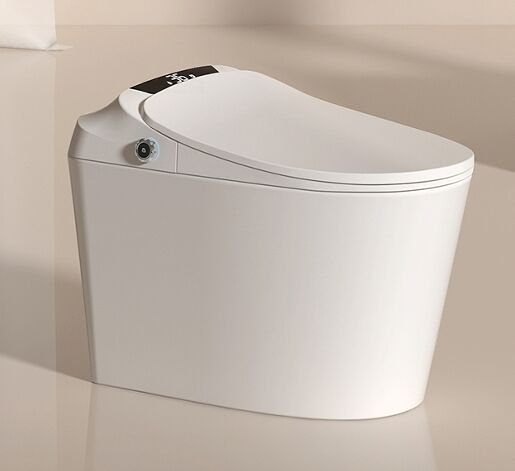
Modern smart toilets incorporate multiple water-saving features that work synergistically to achieve remarkable efficiency gains. Traditional toilets typically consume between 3.5 to 7 gallons per flush, while smart toilets can reduce this consumption to as little as 0.8 to 1.28 gallons per flush through advanced engineering and intelligent water management systems. The integration of smart technology allows these fixtures to adapt their water usage based on actual needs, making them ideal for both residential and commercial applications where water conservation is paramount.
Smart toilets feature sophisticated dual-flush systems that automatically detect the type of waste and adjust water volume accordingly. For liquid waste, these systems typically use between 0.8 to 1.0 gallons per flush, representing a significant reduction compared to traditional single-flush toilets. The sensors within smart toilets can distinguish between different waste types through weight detection, infrared sensors, or manual selection options, ensuring optimal water usage for each situation.
The precision engineering behind liquid waste flushing in smart toilets involves carefully calibrated water pressure and bowl design to ensure complete waste removal with minimal water usage. Advanced rim jets and strategically positioned water outlets create powerful vortex actions that effectively clean the bowl while using substantially less water than conventional flushing mechanisms.
For solid waste disposal, smart toilets typically utilize 1.28 to 1.6 gallons per flush, still significantly less than older toilet models. The enhanced flushing power comes from improved hydraulic design, including larger trap ways, optimized water flow patterns, and powerful flush valves that create maximum cleaning action with reduced water volume. These smart toilets often incorporate pressurized flushing systems that compress air to amplify water pressure, ensuring thorough waste removal while maintaining water conservation goals.
The bowl geometry in advanced smart toilets is precisely engineered to maximize flushing efficiency while minimizing water requirements. Computer-aided design and fluid dynamics modeling help manufacturers create bowl shapes that guide water flow optimally, ensuring complete waste removal and bowl cleaning with each flush operation.
Smart toilets employ sophisticated sensor arrays to detect user presence and automatically initiate flushing sequences when appropriate. These sensors prevent unnecessary flushing from accidental activation while ensuring consistent operation when needed. Infrared sensors, motion detectors, and pressure-sensitive seat mechanisms work together to create reliable automatic flushing that eliminates water waste from forgotten manual flushing or multiple unnecessary flushes.
The sensor technology in smart toilets continuously monitors usage patterns and can adapt flushing protocols based on frequency of use, time of day, and detected waste levels. This intelligent adaptation ensures that water usage remains optimized while maintaining hygiene standards and user convenience throughout different usage scenarios.
Advanced occupancy detection systems in smart toilets prevent pre-flush water waste that commonly occurs with traditional automatic toilets. These systems use multiple sensor types to accurately determine when the toilet is actually in use versus when someone is merely passing by or performing other bathroom activities. The sophisticated detection algorithms reduce false activations that can waste significant amounts of water over time.
Smart toilets with occupancy detection can also implement delayed flushing protocols that wait for confirmed usage completion before initiating the flush cycle. This prevents premature flushing during extended use periods and ensures that each flush serves its intended purpose without additional waste.
The integrated bidet functions in smart toilets utilize precision water delivery systems that provide effective cleaning while minimizing water consumption. These systems typically use between 0.1 to 0.5 gallons per cleaning cycle, dramatically less than traditional bidet fixtures or the toilet paper manufacturing water footprint. Advanced nozzle designs create targeted water streams that maximize cleaning effectiveness while using minimal water volume.
Smart toilets with bidet functions often incorporate adjustable pressure settings, temperature controls, and positioning options that allow users to customize their cleaning experience while maintaining water efficiency. The precision control systems ensure that water is used only when and where needed, eliminating the waste associated with less targeted cleaning methods.
The heated water systems in smart toilets are designed for both comfort and efficiency, using tankless heating technology that provides warm water on demand without maintaining large volumes of heated water. This approach reduces both water and energy consumption compared to traditional hot water delivery systems. Smart toilets often integrate with home energy management systems to optimize heating cycles and minimize overall resource consumption.
Advanced smart toilets may incorporate solar heating options or heat recovery systems that capture waste heat from other building systems to warm bidet water. These innovative approaches further reduce the environmental impact while maintaining user comfort and hygiene standards.
Modern smart toilets often include connectivity features that allow integration with smart home systems and mobile applications for detailed water usage monitoring. These systems track daily, weekly, and monthly water consumption patterns, providing users with detailed insights into their water usage and potential savings opportunities. The data analytics help identify usage trends and optimize settings for maximum efficiency.
Smart toilets with usage monitoring capabilities can generate reports showing water savings compared to traditional toilet systems, helping users understand the environmental and economic benefits of their investment. Some systems can even provide maintenance alerts when water usage patterns indicate potential issues or optimization opportunities.
Advanced smart toilets incorporate automated maintenance features that help prevent water waste from leaks, clogs, or component failures. Internal monitoring systems continuously check for proper operation and can alert users to potential issues before they result in significant water waste. These preventive maintenance features help ensure that water-saving performance remains consistent over the toilet's operational lifetime.
Leak detection systems in smart toilets can identify even minor water losses that might go unnoticed in traditional toilet systems. Early detection and automated shut-off capabilities prevent small leaks from becoming major water waste issues, protecting both water resources and user utility costs.
The water conservation achieved by smart toilets extends beyond direct usage reduction to include significant carbon footprint benefits. Water treatment, transportation, and heating require substantial energy inputs, so reducing water consumption directly translates to reduced energy consumption and lower greenhouse gas emissions. Smart toilets can reduce household water usage by 20-30% in typical installations, creating measurable environmental benefits.
The manufacturing and lifecycle analysis of smart toilets shows favorable environmental impacts when compared to traditional toilet systems over their operational lifetime. The initial higher resource investment in smart toilet manufacturing is typically offset within 2-3 years through reduced water and energy consumption, making them environmentally beneficial long-term investments.
Widespread adoption of smart toilets can provide significant benefits to municipal water systems by reducing peak demand and overall consumption. This reduction helps defer expensive infrastructure upgrades and reduces strain on water treatment facilities. Smart toilets contribute to community-wide water conservation efforts and can help municipalities meet sustainability goals and regulatory requirements.
The reduced wastewater generation from smart toilets also benefits municipal treatment systems by reducing processing volumes and associated energy requirements. This systemic benefit amplifies the environmental advantages of individual smart toilet installations across entire communities.
Smart toilets typically provide measurable utility bill reductions through decreased water consumption, with most installations seeing 15-25% reductions in overall household water usage. The exact savings depend on household size, usage patterns, and local water rates, but the consistent water conservation provided by smart toilets creates predictable ongoing savings that help offset the initial investment cost over time.
The bidet functionality in smart toilets can also reduce toilet paper consumption significantly, providing additional cost savings beyond water conservation. Many users report 70-90% reductions in toilet paper usage, creating substantial savings over the toilet's operational lifetime while also reducing environmental impact from paper manufacturing and disposal.
Smart toilets are engineered for long-term reliability and typically require less maintenance than traditional toilet systems due to their advanced materials and precision manufacturing. The electronic components are designed for extended operation in bathroom environments, and many manufacturers provide comprehensive warranties that protect the investment value. Proper maintenance of smart toilets ensures continued water-saving performance throughout their operational lifetime.
The durability advantages of smart toilets include corrosion-resistant materials, advanced seal technologies, and self-diagnostic capabilities that help prevent minor issues from becoming major problems. These features contribute to lower long-term maintenance costs while ensuring consistent water conservation performance.
Most smart toilets are designed to integrate with existing plumbing systems with minimal modifications, making them accessible upgrade options for many installations. The water supply requirements for smart toilets are typically compatible with standard residential and commercial plumbing systems, though electrical connections are required for the electronic functions. Professional installation ensures optimal performance and water conservation benefits.
Smart toilets often require additional considerations for electrical supply and potentially upgraded water pressure systems to achieve optimal performance. These installation requirements should be evaluated during the planning phase to ensure that the smart toilet can deliver its full water-saving potential in the intended installation location.
Smart toilets contribute significantly to green building certifications and sustainability ratings through their water conservation performance and energy efficiency features. Many smart toilet models meet or exceed requirements for LEED certification, Energy Star ratings, and other environmental standards. The documentation and performance data from smart toilet manufacturers help building projects achieve sustainability goals and regulatory compliance.
The integration of smart toilets into green building projects often provides multiple benefit categories including water efficiency, indoor environmental quality, and innovation credits. These comprehensive benefits make smart toilets valuable components in sustainable building design and renovation projects.
Smart toilets typically save 20-60% water compared to traditional toilets, depending on the specific model and usage patterns. While older toilets may use 3.5-7 gallons per flush, smart toilets generally use 0.8-1.28 gallons per flush through advanced dual-flush technology and precision engineering. The integrated bidet functions also reduce water consumption compared to traditional cleaning methods, creating additional conservation benefits beyond the primary flushing function.
Smart toilets require standard water supply connections similar to traditional toilets, but they also need electrical connections for their electronic functions including sensors, heating elements, and control systems. Most models use standard 120V household current and include GFCI protection for bathroom safety. While the water supply connections are typically compatible with existing plumbing, professional installation is recommended to ensure proper electrical connections and optimal performance of all water-saving features.
Smart toilets require regular cleaning and periodic maintenance of electronic components to maintain optimal water-saving performance. Basic maintenance includes cleaning sensors and nozzles, checking water supply connections, and ensuring proper operation of the dual-flush mechanisms. Most smart toilets include self-diagnostic features that alert users to maintenance needs, and many components are designed for easy access and service. Following manufacturer maintenance schedules helps ensure continued water conservation benefits throughout the toilet's operational lifetime.
Smart toilets typically provide positive return on investment through water bill savings, reduced toilet paper consumption, and lower maintenance costs over their operational lifetime. The initial higher cost is generally offset within 3-7 years through utility savings, depending on household usage patterns and local utility rates. The durability and advanced features of smart toilets also provide long-term value through extended operational life and consistent performance, making them economically viable investments for both residential and commercial applications.

ALWAYS FIGHT FOR BETTER SOLUTIONS TO YOUR BUSINESS.
Copyright © 2026 Chaoan Meizhi Ceramics Co., Ltd.
 EN
EN
 AR
AR BG
BG NL
NL FI
FI FR
FR DE
DE EL
EL IT
IT NO
NO PL
PL PT
PT RO
RO RU
RU ES
ES SV
SV TL
TL LV
LV LT
LT SR
SR UK
UK VI
VI SQ
SQ HU
HU MT
MT TH
TH AF
AF MS
MS KA
KA