 EN
EN
 AR
AR BG
BG NL
NL FI
FI FR
FR DE
DE EL
EL IT
IT NO
NO PL
PL PT
PT RO
RO RU
RU ES
ES SV
SV TL
TL LV
LV LT
LT SR
SR UK
UK VI
VI SQ
SQ HU
HU MT
MT TH
TH AF
AF MS
MS KA
KA
The modern bathroom has evolved far beyond its basic functional requirements, becoming a sophisticated space where technology meets comfort and convenience. As homeowners increasingly embrace smart home integration, the smart toilet has emerged as a cornerstone appliance that seamlessly blends advanced functionality with everyday necessity. These innovative fixtures represent the pinnacle of bathroom technology, offering features that transform routine activities into luxurious experiences while contributing to energy efficiency and water conservation efforts.
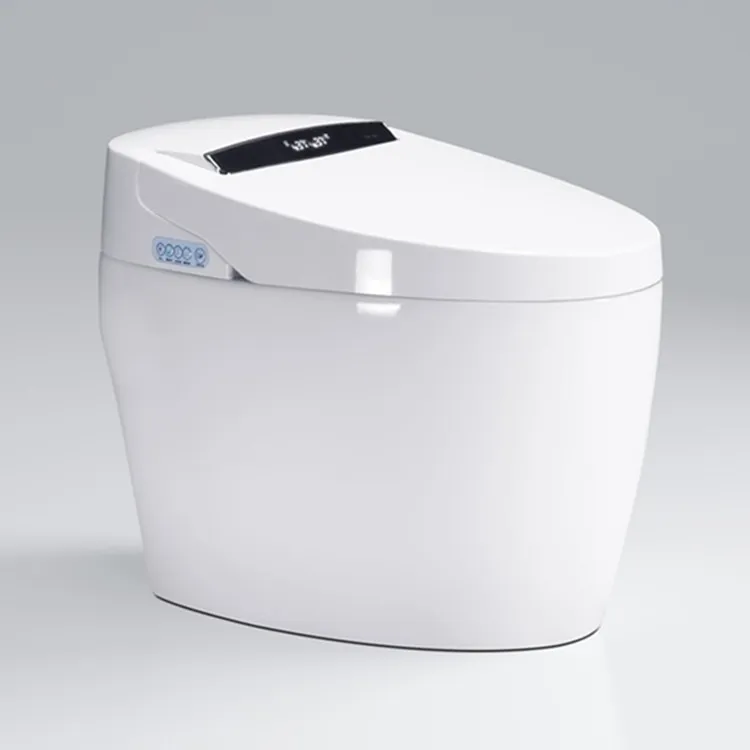
Contemporary smart home ecosystems demand appliances that can communicate, adapt, and enhance user experience through intelligent automation. The integration of bathroom fixtures into these connected networks has become increasingly important as homeowners seek comprehensive control over their living environments. Smart toilet technology addresses this need by providing sophisticated features that extend far beyond traditional functionality, creating a harmonious blend of comfort, hygiene, and technological advancement.
Advanced Technology Features in Modern Smart Toilets
Intelligent Sensor Systems and Automation
Modern smart toilet designs incorporate sophisticated sensor technology that enables automatic operation across multiple functions. These sensors detect user presence, automatically lifting and lowering seats, activating lighting systems, and initiating cleaning cycles without manual intervention. The precision of these sensors ensures reliable performance while conserving energy through intelligent activation patterns that respond only when necessary.
The automation capabilities extend to water temperature regulation, where advanced sensors monitor and adjust heating elements to maintain optimal comfort levels. These systems learn user preferences over time, creating personalized experiences that adapt to individual family members' needs. The integration of motion detection technology enables hands-free operation, reducing contact points and enhancing hygiene standards in residential and commercial applications.
Connectivity and Smart Home Integration
Wireless connectivity forms the backbone of smart toilet functionality, enabling seamless integration with existing home automation systems. Through Wi-Fi and Bluetooth capabilities, these fixtures communicate with smartphones, tablets, and central control hubs, providing users with remote operation capabilities and real-time status monitoring. This connectivity allows for software updates, diagnostic reporting, and performance optimization through cloud-based services.
The integration with voice assistants and smart home platforms creates opportunities for hands-free control through verbal commands. Users can adjust settings, initiate cleaning cycles, and monitor system status without physical interaction, enhancing accessibility and convenience. This level of integration positions the smart toilet as an integral component of comprehensive home automation strategies.
Comfort and Hygiene Enhancement Features
Advanced Bidet and Cleansing Systems
The incorporation of sophisticated bidet functionality represents one of the most significant advantages of smart toilet technology. These systems provide adjustable water pressure, temperature control, and positioning options that cater to individual preferences and needs. The precision engineering of these components ensures consistent performance while maintaining optimal hygiene standards through self-cleaning nozzles and antimicrobial surfaces.
Multi-stage filtration systems ensure water purity, while heated water reservoirs provide immediate comfort without lengthy warm-up periods. The customizable nature of these cleansing systems allows users to save personal preferences, creating individualized experiences for each family member. Advanced models incorporate oscillating and pulsating functions that enhance cleansing effectiveness while providing therapeutic benefits.
Climate Control and Air Purification
Integrated climate control systems within smart toilet designs address comfort through heated seating surfaces, warm air drying capabilities, and ambient temperature regulation. These features eliminate the discomfort associated with cold surfaces while reducing reliance on external heating sources, contributing to overall energy efficiency. The precision temperature control ensures consistent comfort levels regardless of external environmental conditions.
Air purification technology incorporated into smart toilet systems actively removes odors and improves bathroom air quality through activated carbon filters and ionization processes. These systems operate automatically, detecting air quality changes and adjusting purification intensity accordingly. The combination of ventilation control and air treatment creates a more pleasant bathroom environment while maintaining discrete operation.
Energy Efficiency and Environmental Benefits
Water Conservation Technology
Smart toilet systems incorporate advanced water management technology that significantly reduces consumption compared to traditional fixtures. Dual-flush mechanisms, sensor-controlled activation, and precise water distribution systems ensure optimal usage for different waste types. These technologies can reduce water consumption by up to forty percent compared to conventional toilets, contributing to environmental sustainability and reduced utility costs.
The intelligent water management extends to the bidet functions, where precise flow control and automatic shut-off mechanisms prevent waste while maintaining cleaning effectiveness. Greywater recycling capabilities in advanced models allow for the reuse of sink water in flushing operations, further reducing environmental impact. These conservation features align with green building standards and sustainability initiatives.
Energy Management and Efficiency
Power management systems within smart toilet technology optimize energy consumption through intelligent scheduling and usage pattern recognition. These systems can reduce standby power consumption during low-usage periods while maintaining readiness for immediate activation. Energy-efficient heating elements and LED lighting systems contribute to overall power savings without compromising functionality or comfort.
The integration of renewable energy compatibility allows smart toilet systems to operate on solar power or other alternative energy sources. Battery backup systems ensure continued operation during power outages, while low-power modes extend operation time during emergency situations. These features enhance reliability while supporting sustainable energy practices.
Installation and Maintenance Considerations
Professional Installation Requirements
The installation of smart toilet systems requires professional expertise to ensure proper electrical connections, plumbing modifications, and network integration. These fixtures often necessitate dedicated electrical circuits to handle the power requirements of heating elements, pumps, and electronic control systems. Proper installation ensures optimal performance, safety compliance, and warranty protection for homeowners investing in this technology.
Plumbing modifications may include water pressure adjustments, additional supply lines for bidet functions, and drainage considerations for optimal operation. Professional installers ensure compatibility with existing bathroom infrastructure while addressing any structural requirements for mounting and support. The complexity of these installations underscores the importance of working with qualified professionals familiar with smart toilet technology.
Maintenance and Service Requirements
Regular maintenance of smart toilet systems involves both user-performed tasks and professional service requirements. Daily maintenance includes cleaning exterior surfaces, checking water levels, and monitoring system status through connected applications. User-replaceable components such as filters and nozzle cleaning systems require periodic attention to maintain optimal performance and hygiene standards.
Professional maintenance services address internal components, software updates, and diagnostic procedures that ensure long-term reliability. These services include descaling procedures for water heating elements, sensor calibration, and connectivity troubleshooting. Manufacturer support networks provide technical assistance and replacement parts, ensuring continued operation throughout the product lifecycle.
Market Trends and Consumer Adoption
Growing Consumer Acceptance
Consumer acceptance of smart toilet technology has accelerated dramatically as awareness of benefits and functionality increases. Market research indicates strong growth trends driven by aging populations seeking accessibility enhancements, environmentally conscious consumers prioritizing water conservation, and technology enthusiasts embracing home automation. The perception of these fixtures has evolved from luxury items to practical investments in comfort and efficiency.
The integration of smart toilet systems into new construction projects has become increasingly common, with builders recognizing the appeal to potential homebuyers. Retrofit installations in existing homes represent a significant portion of the market growth, driven by renovation projects and bathroom upgrades. Consumer education through showroom demonstrations and online resources has contributed to increased adoption rates across demographic segments.
Future Technology Developments
Emerging technologies promise to enhance smart toilet capabilities through artificial intelligence, advanced sensors, and improved connectivity options. Machine learning algorithms will enable these systems to predict user needs, optimize performance parameters, and provide health monitoring capabilities through waste analysis. Integration with telehealth systems may provide valuable health insights while maintaining privacy and user control.
Next-generation smart toilet designs will incorporate sustainable materials, improved manufacturing processes, and enhanced recycling capabilities. Advanced water treatment systems may enable complete water recycling within individual fixtures, while solar integration and energy harvesting technologies could achieve net-zero energy consumption. These developments position smart toilet technology as an essential component of future sustainable housing initiatives.
Cost Considerations and Return on Investment
Initial Investment and Installation Costs
The investment in smart toilet technology encompasses both equipment costs and installation expenses that vary based on feature complexity and installation requirements. Entry-level smart toilet models provide basic automation and connectivity features at accessible price points, while premium systems offer comprehensive functionality with advanced materials and sophisticated technology integration. Installation costs depend on existing infrastructure compatibility and any necessary modifications.
Financing options and manufacturer incentives can help offset initial investment costs, while government rebates for water-efficient appliances may provide additional savings. The long-term value proposition includes reduced utility costs, decreased maintenance requirements, and enhanced property values that contribute to overall return on investment calculations. Professional cost-benefit analysis can help homeowners determine optimal system configurations for their specific needs and budgets.
Long-term Value and Savings
The operational savings associated with smart toilet technology accumulate through reduced water consumption, lower energy costs, and decreased maintenance requirements compared to traditional fixtures. Water savings alone can result in significant annual utility cost reductions, particularly in regions with high water costs or conservation mandates. Energy-efficient operation contributes additional savings while supporting environmental sustainability goals.
Property value enhancement represents another significant component of long-term value, as homes equipped with smart toilet technology appeal to technology-conscious buyers and command premium prices in competitive markets. The durability and reliability of quality smart toilet systems ensure extended service life with minimal replacement costs. Insurance benefits and warranty protection provide additional financial security for homeowners investing in this advanced technology.
FAQ
How difficult is it to install a smart toilet in an existing bathroom
Installing a smart toilet in an existing bathroom typically requires professional installation due to electrical and plumbing modifications. Most installations require a dedicated electrical circuit near the toilet location and may involve water pressure adjustments or additional supply lines. The complexity varies based on your current bathroom infrastructure, but experienced installers can usually complete the process within a day while ensuring all safety and code requirements are met.
What maintenance is required to keep a smart toilet functioning properly
Smart toilet maintenance involves both regular user tasks and periodic professional service. Daily maintenance includes cleaning exterior surfaces and checking system status through mobile applications. Users should replace water filters monthly and clean bidet nozzles weekly using manufacturer-recommended procedures. Professional maintenance annually addresses internal components, software updates, and system calibration to ensure optimal performance and longevity.
Can smart toilets operate during power outages
Many smart toilet systems include battery backup capabilities that maintain basic functions during power outages, though advanced features like heating and electronic bidet functions may be temporarily unavailable. The backup systems typically support flushing operations and basic sensor functions for several hours depending on usage patterns. Some models offer manual override options that allow continued operation without electricity, ensuring the toilet remains functional during extended outages.
Are smart toilets compatible with all plumbing systems
Smart toilet compatibility depends on your existing plumbing infrastructure, including water pressure levels, supply line capacity, and drainage systems. Most smart toilets work with standard residential plumbing, but some features may require minimum water pressure levels or additional supply lines for optimal performance. Professional assessment of your plumbing system before purchase ensures compatibility and identifies any necessary modifications for proper installation and operation.