 EN
EN
 AR
AR BG
BG NL
NL FI
FI FR
FR DE
DE EL
EL IT
IT NO
NO PL
PL PT
PT RO
RO RU
RU ES
ES SV
SV TL
TL LV
LV LT
LT SR
SR UK
UK VI
VI SQ
SQ HU
HU MT
MT TH
TH AF
AF MS
MS KA
KA
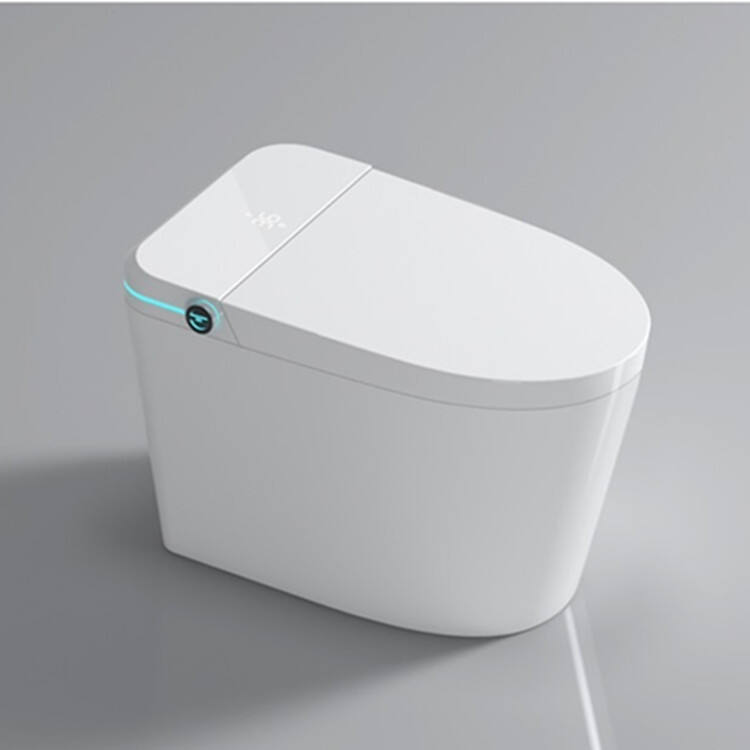
The hospitality industry continuously evolves to meet rising guest expectations, and bathroom amenities have become a critical differentiator for luxury hotels worldwide. Modern travelers increasingly seek premium experiences that combine comfort, technology, and hygiene in every aspect of their stay. Among the most impactful upgrades hotels can implement, the smart toilet stands out as a transformative addition that elevates guest satisfaction while positioning properties as forward-thinking destinations.
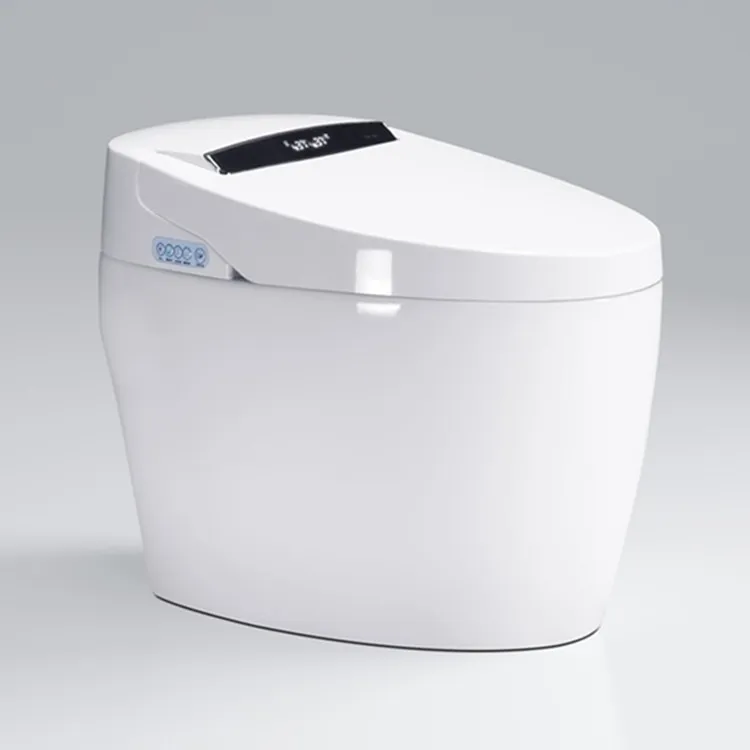
Hotel operators recognize that bathroom quality significantly influences guest reviews and repeat bookings. A smart toilet represents more than a functional fixture; it embodies innovation, cleanliness, and luxury that guests associate with premium hospitality experiences. This advanced bathroom technology addresses multiple guest needs simultaneously while providing hotels with operational advantages that justify the investment through improved guest satisfaction scores and competitive positioning.
Revolutionary Guest Experience Enhancement
Personalized Comfort Settings
A smart toilet delivers unprecedented personalization options that allow guests to customize their bathroom experience according to individual preferences. Temperature-controlled seats provide immediate comfort regardless of seasonal weather conditions, while adjustable water pressure and temperature settings ensure optimal cleansing experiences for users from diverse cultural backgrounds. These personalization features demonstrate attention to guest comfort that extends beyond traditional hotel amenities.
The intuitive control interfaces found on modern smart toilet models enable guests to easily navigate various functions without extensive learning curves. Pre-programmed settings can accommodate different user preferences, while memory functions remember individual adjustments throughout extended stays. This level of customization creates memorable experiences that guests frequently mention in positive reviews and social media posts.
Advanced Hygiene Technology
Hygiene concerns have become paramount in hospitality, and a smart toilet addresses these concerns through multiple automated features that minimize surface contact and maximize cleanliness. Self-lifting seats, automated flushing systems, and hands-free operation reduce touchpoints that traditional toilets require, creating safer environments for health-conscious travelers.
The integrated bidet functions provide superior cleansing capabilities compared to conventional toilet paper alone, promoting better personal hygiene standards. UV sterilization systems and antimicrobial coatings on smart toilet surfaces actively eliminate bacteria and viruses, providing additional peace of mind for guests who prioritize sanitary accommodations during their travels.
Operational Efficiency and Cost Benefits
Water Conservation Technology
Environmental sustainability initiatives drive many hotel renovation projects, and a smart toilet contributes significantly to water conservation efforts through advanced flush mechanisms and intelligent usage monitoring. Dual-flush systems automatically adjust water volume based on waste type, while leak detection sensors prevent water waste from unnoticed malfunctions that could otherwise increase utility costs substantially.
Smart toilet water consumption typically averages 20-30% less than traditional models through precise engineering and automated controls. This reduction translates to measurable savings on monthly water bills while supporting hotels' environmental certification goals and corporate sustainability commitments that increasingly influence guest booking decisions.
Reduced Maintenance Requirements
The self-cleaning capabilities of modern smart toilet systems significantly reduce housekeeping labor requirements and cleaning supply consumption. Automated bowl cleaning cycles, antimicrobial surfaces, and enclosed designs minimize manual cleaning frequency while maintaining higher cleanliness standards than conventional fixtures.
Diagnostic systems within smart toilet models can identify potential issues before they become major problems, enabling proactive maintenance scheduling that prevents guest disruptions. This predictive maintenance capability reduces emergency repair calls and extends equipment lifespan, providing long-term cost advantages that offset initial investment requirements.
Technology Integration and Modern Appeal
Smart Building Connectivity
Contemporary smart toilet models integrate seamlessly with broader hotel automation systems, enabling centralized monitoring and control capabilities that enhance operational efficiency. Property management can track usage patterns, identify maintenance needs, and optimize energy consumption across multiple rooms from centralized dashboards.
The connectivity features allow hotels to gather valuable data about guest preferences and usage patterns while maintaining privacy standards. This information helps property managers make informed decisions about amenity investments and room configurations that maximize guest satisfaction and operational efficiency simultaneously.
Luxury Market Positioning
Installing a smart toilet immediately positions hotels within premium market segments where guests expect cutting-edge amenities and technological sophistication. This positioning enables properties to command higher room rates while attracting discerning travelers who prioritize modern conveniences and innovative features during their accommodation selection process.
The presence of smart toilet technology in hotel bathrooms signals commitment to guest comfort and innovation that influences booking decisions among technology-savvy travelers. Marketing materials highlighting these advanced bathroom amenities help properties differentiate themselves in competitive markets where standard fixtures no longer meet elevated guest expectations.
Implementation Considerations for Hotel Properties
Infrastructure Requirements
Successful smart toilet installation requires careful evaluation of existing plumbing and electrical infrastructure to ensure compatibility and optimal performance. Properties may need electrical upgrades to support the additional power requirements, while plumbing modifications ensure proper water pressure and drainage capabilities.
Professional installation teams specializing in smart toilet technology can assess infrastructure needs and recommend necessary upgrades before installation begins. This preparation phase prevents installation delays and ensures all systems function correctly from the initial guest experience through long-term operation.
Staff Training and Support
Hotel staff require comprehensive training on smart toilet operation and basic troubleshooting to assist guests effectively and maintain equipment properly. Understanding the various functions and features enables housekeeping teams to perform routine maintenance while front desk staff can confidently explain amenities to curious guests.
Manufacturer support programs typically include training materials, technical documentation, and ongoing assistance that help hotel teams maximize the benefits of their smart toilet investments. Regular training updates ensure staff remain current with software updates and new features that enhance the guest experience over time.
Return on Investment Analysis
Guest Satisfaction Metrics
Hotels that install smart toilet technology consistently report improved guest satisfaction scores and positive review mentions specifically highlighting bathroom amenities. These enhanced ratings contribute to increased online visibility and booking conversion rates that directly impact revenue generation capabilities.
The memorable nature of smart toilet experiences encourages social media sharing and word-of-mouth recommendations that provide valuable marketing exposure without additional promotional costs. Guest-generated content featuring unique bathroom amenities helps properties reach new audiences and build brand recognition within target market segments.
Competitive Market Advantages
Properties featuring smart toilet installations gain competitive advantages in markets where similar amenities remain uncommon, enabling them to capture market share from competitors offering only standard bathroom fixtures. This differentiation becomes increasingly valuable as travelers become more familiar with smart toilet benefits through residential and commercial exposure.
The investment in smart toilet technology demonstrates forward-thinking management approaches that appeal to modern travelers who associate technological amenities with overall service quality. This perception influences booking decisions and guest loyalty development that contributes to long-term revenue sustainability and growth opportunities.
FAQ
How much water does a smart toilet save compared to traditional models
A smart toilet typically reduces water consumption by 20-30% through efficient dual-flush systems and precise water volume controls. The automated mechanisms eliminate water waste from incomplete flushes while leak detection prevents unnoticed water loss that commonly occurs with traditional fixtures over time.
What maintenance is required for smart toilet installations in hotels
Smart toilet maintenance involves regular filter replacements, software updates, and periodic professional inspections of electrical and plumbing connections. The self-cleaning features and antimicrobial surfaces actually reduce daily maintenance requirements compared to conventional toilets while extending overall equipment lifespan through automated care systems.
Can existing hotel bathrooms accommodate smart toilet upgrades without major renovations
Most existing hotel bathrooms can accommodate smart toilet installations with minimal modifications to plumbing and electrical systems. Professional assessment determines specific requirements for each installation, but major renovations are typically unnecessary when working with experienced installation teams who specialize in hospitality applications.
How do guests typically respond to smart toilet features during hotel stays
Guest responses to smart toilet features are overwhelmingly positive, with many travelers specifically mentioning the amenity in reviews and social media posts. The novelty factor creates memorable experiences that contribute to brand loyalty, while the practical benefits of improved hygiene and comfort enhance overall stay satisfaction levels significantly.
Table of Contents
- Revolutionary Guest Experience Enhancement
- Operational Efficiency and Cost Benefits
- Technology Integration and Modern Appeal
- Implementation Considerations for Hotel Properties
- Return on Investment Analysis
-
FAQ
- How much water does a smart toilet save compared to traditional models
- What maintenance is required for smart toilet installations in hotels
- Can existing hotel bathrooms accommodate smart toilet upgrades without major renovations
- How do guests typically respond to smart toilet features during hotel stays