 EN
EN
 AR
AR BG
BG NL
NL FI
FI FR
FR DE
DE EL
EL IT
IT NO
NO PL
PL PT
PT RO
RO RU
RU ES
ES SV
SV TL
TL LV
LV LT
LT SR
SR UK
UK VI
VI SQ
SQ HU
HU MT
MT TH
TH AF
AF MS
MS KA
KA
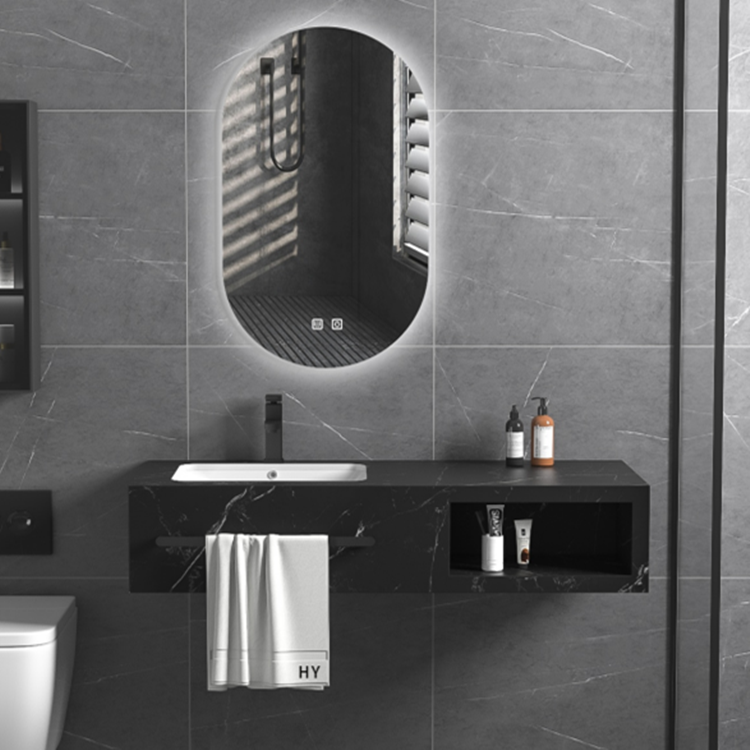
The modern bathroom industry is experiencing a revolutionary shift as consumers increasingly prioritize sustainability and technological innovation. Distributors across the globe are recognizing the immense market potential of water-saving smart toilet solutions, which combine environmental consciousness with cutting-edge functionality. These advanced fixtures represent more than just a trend—they signify a fundamental change in how we approach water conservation and bathroom design. The growing demand for eco-friendly sanitary ware has created unprecedented opportunities for distributors who understand the value proposition of intelligent toilet systems.
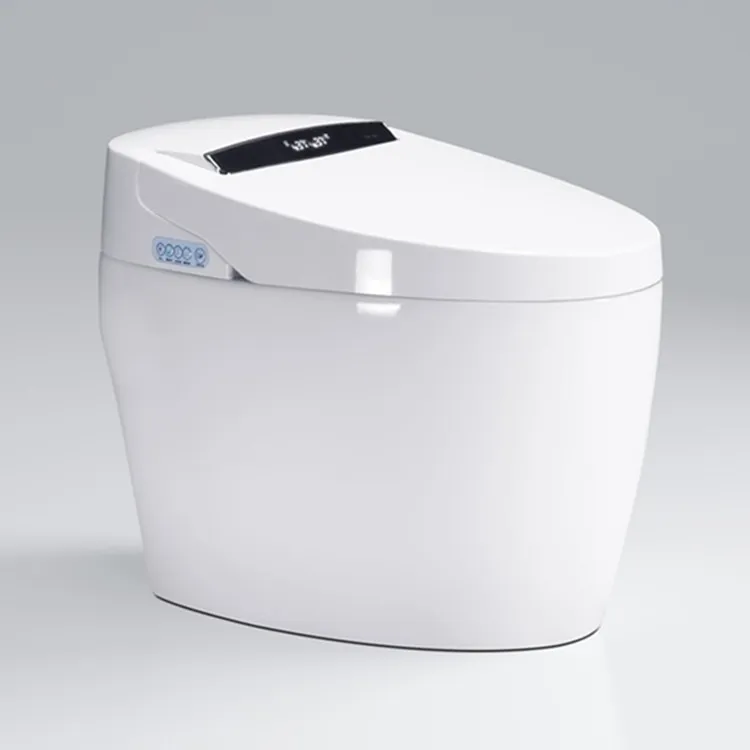
Market research indicates that the global smart toilet market is projected to reach significant growth milestones within the next decade, driven primarily by water conservation mandates and consumer awareness of environmental impact. Distributors who position themselves early in this market expansion are witnessing substantial returns on investment while contributing to sustainable building practices. The integration of water-saving technology with smart functionality creates a compelling product category that appeals to both residential and commercial customers seeking long-term operational savings.
Environmental Impact and Water Conservation Benefits
Reducing Water Consumption Through Advanced Technology
Modern water-saving smart toilet designs incorporate sophisticated flush mechanisms that significantly reduce water usage compared to traditional toilet systems. These innovative fixtures typically utilize dual-flush technology, allowing users to select appropriate water volumes based on waste type. The environmental benefits extend beyond individual households, as widespread adoption of these systems can substantially impact municipal water consumption patterns. Distributors are finding that environmentally conscious consumers are willing to invest in premium products that demonstrate measurable sustainability benefits.
Advanced sensor technology in contemporary smart toilets optimizes flush cycles to minimize water waste while maintaining superior performance standards. Many models feature intelligent water management systems that adjust flush pressure and duration based on usage patterns, ensuring optimal efficiency without compromising functionality. This technology-driven approach to water conservation resonates strongly with commercial clients seeking to reduce operational costs and meet green building certification requirements.
Supporting Green Building Initiatives
The construction industry's increasing focus on sustainable building practices has created substantial demand for water-saving smart toilet installations in new developments and renovation projects. Architects and contractors are specifying these advanced fixtures to earn points toward LEED certification and other green building standards. Distributors who maintain inventory of certified eco-friendly toilet systems are well-positioned to serve this growing market segment, particularly in commercial and institutional applications where water conservation mandates are becoming increasingly stringent.
Property developers are recognizing that water-saving smart toilet installations can significantly enhance building value while reducing long-term operational expenses. These fixtures contribute to overall building sustainability ratings, making properties more attractive to environmentally conscious tenants and buyers. Forward-thinking distributors are establishing partnerships with construction professionals to ensure consistent supply of these high-demand products throughout the building process.
Technological Innovation and Consumer Demand
Smart Features Driving Market Adoption
Contemporary water-saving smart toilet models incorporate sophisticated features that enhance user comfort while maintaining environmental efficiency. Heated seats, automatic lid operation, and personalized cleansing functions have transformed these fixtures from basic necessities into luxury amenities. The integration of mobile app connectivity allows users to customize settings and monitor water usage, appealing to tech-savvy consumers who appreciate data-driven insights into their environmental impact.
Advanced filtration and purification systems within smart toilets ensure optimal water quality for cleansing functions while minimizing overall consumption. Many models feature self-cleaning capabilities that reduce the need for chemical cleaning products, further supporting environmental sustainability goals. These technological innovations create compelling selling points for distributors targeting consumers who prioritize both convenience and environmental responsibility in their purchasing decisions.
Commercial Applications and Market Opportunities
Hotels, office buildings, and healthcare facilities are increasingly specifying water-saving smart toilet installations to reduce operational costs and enhance visitor experiences. These commercial applications often involve large-scale procurement, creating significant revenue opportunities for distributors who can provide comprehensive product solutions and technical support. The combination of water savings and reduced maintenance requirements makes these fixtures particularly attractive for facility managers focused on operational efficiency.
Restaurant and retail establishments are discovering that premium restroom facilities featuring smart toilet technology can enhance customer satisfaction and brand perception. The water-saving aspect appeals to businesses seeking to demonstrate corporate social responsibility while reducing utility expenses. Distributors serving commercial clients are finding that these installations often lead to repeat business as facilities expand or upgrade their bathroom amenities.
Economic Advantages for Distributors
Profit Margins and Market Positioning
Water-saving smart toilet products typically command higher profit margins compared to conventional toilet fixtures, making them attractive inventory investments for distributors. The premium pricing reflects the advanced technology and environmental benefits, while the growing market acceptance reduces price sensitivity among target customers. Distributors who establish themselves as specialists in smart bathroom technology can differentiate their offerings and justify premium pricing through expertise and service quality.
The relatively limited competition in specialized water-saving smart toilet distribution creates opportunities for early adopters to establish market dominance in their service areas. These products require technical knowledge and installation support, creating barriers to entry that protect established distributors from commodity-focused competitors. The consultation-heavy sales process also strengthens customer relationships and increases customer lifetime value through ongoing service opportunities.
Long-Term Market Growth Potential
Demographic trends indicate increasing consumer awareness of water conservation issues, particularly among younger generations who prioritize environmental sustainability in purchasing decisions. This trend suggests sustained demand growth for water-saving smart toilet products over the coming decades. Distributors who invest in market education and product expertise now are positioning themselves to capitalize on this expanding market opportunity as environmental consciousness continues to influence consumer behavior.
Government incentives and rebate programs for water-efficient fixtures are becoming more common, making water-saving smart toilet installations more accessible to cost-conscious consumers. These programs often require specific product certifications and distributor partnerships, creating additional barriers to entry that benefit established suppliers. Forward-thinking distributors are monitoring regulatory developments and participating in certification programs to ensure their products qualify for available incentives.
Installation and Technical Support Considerations
Professional Installation Requirements
Water-saving smart toilet installations typically require specialized electrical and plumbing connections that exceed the scope of standard fixture replacements. This complexity creates opportunities for distributors to provide comprehensive installation services or develop partnerships with qualified contractors. The technical nature of these installations also reduces customer willingness to purchase from general retailers, favoring specialized distributors who can provide technical support and warranty service.
Many water-saving smart toilet models feature sophisticated calibration requirements that ensure optimal performance and water efficiency. Proper installation and setup are critical for achieving advertised water savings and functionality, making professional installation a valuable service offering for distributors. The ongoing maintenance and software updates required by some models create additional revenue streams through service contracts and technical support agreements.
Training and Certification Programs
Manufacturers of water-saving smart toilet systems often provide comprehensive training programs for distributors and installation professionals. These certification programs ensure proper product knowledge and installation techniques while strengthening relationships between manufacturers and distribution partners. Distributors who invest in staff training and certification demonstrate commitment to quality service, enhancing their reputation and competitive position in the marketplace.
Technical support capabilities become increasingly important as water-saving smart toilet installations become more sophisticated. Distributors who develop internal expertise in troubleshooting and maintenance can command premium service fees while building long-term customer relationships. This technical knowledge also enables distributors to provide pre-sale consultation services that help customers select appropriate products for their specific applications and requirements.
FAQ
What water savings can customers expect from smart toilet installations
Modern water-saving smart toilet models typically reduce water consumption by 20-30% compared to standard toilet fixtures, with some high-efficiency models achieving even greater savings. The dual-flush functionality allows users to select appropriate water volumes, while advanced sensors optimize flush cycles for maximum efficiency. Commercial installations often see more significant savings due to higher usage volumes and the ability to monitor and adjust settings based on usage patterns.
How do smart toilets maintain performance while saving water
Advanced engineering in water-saving smart toilet designs ensures that reduced water usage does not compromise flushing effectiveness or hygiene standards. Sophisticated bowl geometries and flush valve systems maximize the cleaning power of available water, while pressure-assisted mechanisms enhance waste removal efficiency. Many models incorporate self-cleaning features and antimicrobial surfaces that maintain hygiene standards with minimal water usage.
What technical support do distributors need to provide
Distributors typically need to provide pre-installation consultation, technical specification guidance, and ongoing maintenance support for water-saving smart toilet customers. This includes electrical requirements assessment, plumbing compatibility verification, and user training on advanced features. Many distributors also offer extended warranty programs and preventive maintenance services to ensure optimal performance and customer satisfaction throughout the product lifecycle.
Are water-saving smart toilets suitable for all applications
While water-saving smart toilet technology is adaptable to most residential and commercial applications, specific models may be better suited for different environments. High-traffic commercial installations benefit from heavy-duty components and advanced sensor technology, while residential applications may prioritize comfort features and aesthetic design. Distributors should assess each application's requirements to recommend appropriate products that balance functionality, durability, and water conservation goals.