 EN
EN
 AR
AR BG
BG NL
NL FI
FI FR
FR DE
DE EL
EL IT
IT NO
NO PL
PL PT
PT RO
RO RU
RU ES
ES SV
SV TL
TL LV
LV LT
LT SR
SR UK
UK VI
VI SQ
SQ HU
HU MT
MT TH
TH AF
AF MS
MS KA
KA
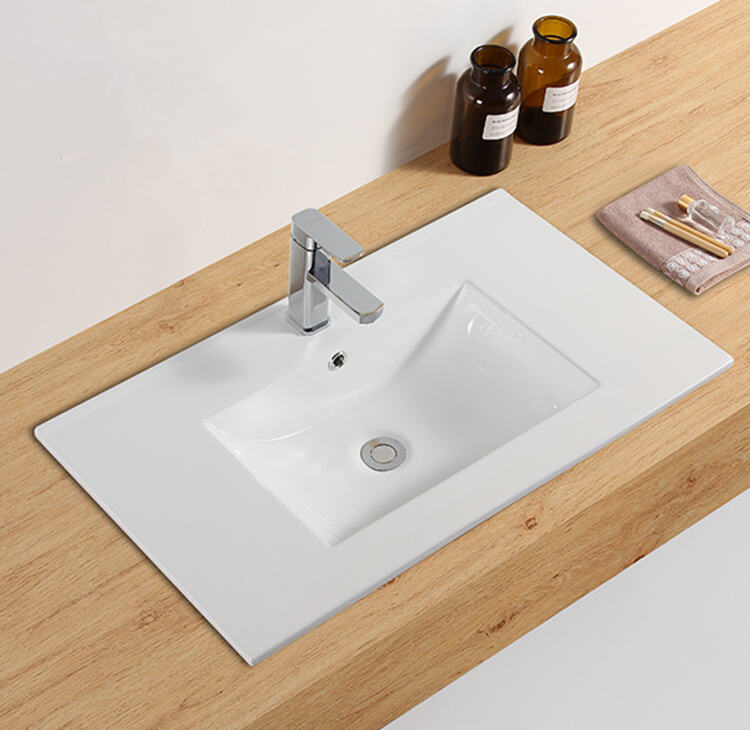
Maintaining the pristine, high-gloss finish of a ceramic bathroom sink requires understanding both the material properties and proper care techniques. Modern ceramic sinks, especially those with advanced glazing technologies, offer exceptional durability and aesthetic appeal when properly maintained. The key to preserving that showroom shine lies in establishing a consistent cleaning routine, using appropriate products, and understanding how different factors affect the ceramic surface over time.
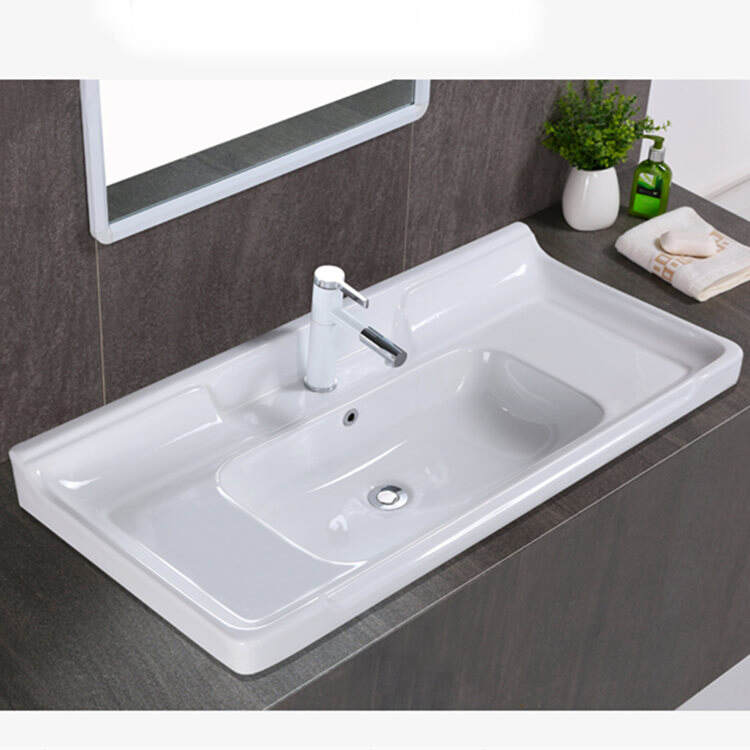
Understanding Ceramic Sink Surface Properties
Glaze Composition and Durability
The high-gloss finish on a ceramic bathroom sink comes from a specialized glaze layer applied during manufacturing. This glaze creates a non-porous surface that resists staining and provides the characteristic shine. Modern ceramic sinks often feature advanced glazing technologies that incorporate silica and other minerals to enhance durability and maintain the glossy appearance longer than traditional glazes.
Understanding the composition helps homeowners make informed decisions about cleaning products and maintenance routines. The glaze acts as a protective barrier, but it can be compromised by harsh chemicals or abrasive materials. Quality ceramic bathroom sink manufacturers design their glazes to withstand daily use while maintaining their lustrous finish for years.
Surface Porosity and Water Interaction
High-quality ceramic bathroom sinks feature extremely low porosity due to their glazed surface. This characteristic prevents water absorption and reduces the likelihood of staining or bacterial growth. However, the interaction between water minerals and the ceramic surface can affect the gloss over time, particularly in areas with hard water.
The non-porous nature of properly glazed ceramic makes it ideal for bathroom applications. Water beads on the surface rather than being absorbed, making cleanup easier and helping maintain the high-gloss finish. This property also contributes to the long-term durability and hygiene of the ceramic bathroom sink.
Daily Cleaning and Maintenance Protocols
Essential Cleaning Products and Tools
Selecting the right cleaning products is crucial for maintaining the high-gloss finish of your ceramic bathroom sink. Mild, non-abrasive cleaners specifically formulated for ceramic surfaces work best. Avoid products containing bleach, ammonia, or harsh acids, as these can damage the glaze and diminish the shine over time.
Soft microfiber cloths and non-abrasive sponges are ideal tools for daily cleaning. These materials effectively remove soap scum and water spots without scratching the ceramic surface. For stubborn stains, a paste made from baking soda and water provides gentle abrasive action without compromising the glaze integrity of your ceramic bathroom sink.
Step-by-Step Daily Cleaning Process
Begin daily maintenance by rinsing the ceramic bathroom sink with warm water to remove loose debris and soap residue. Apply a small amount of mild ceramic cleaner to a damp microfiber cloth, then gently wipe the entire surface in circular motions. Pay special attention to areas around the faucet and drain where buildup commonly occurs.
After cleaning, rinse thoroughly with clean water to remove all cleaner residue. Immediately dry the surface with a clean, soft towel to prevent water spots from forming. This final step is particularly important for maintaining the high-gloss finish, as mineral deposits from air-dried water can create a dull film on the ceramic surface.
Advanced Maintenance Techniques
Deep Cleaning Methods for Stubborn Stains
When daily cleaning isn't sufficient to maintain the pristine appearance of your ceramic bathroom sink, deep cleaning techniques become necessary. Create a paste using baking soda and water, applying it to stained areas and allowing it to sit for 15-20 minutes before gently scrubbing with a soft brush. This method effectively removes mineral deposits without damaging the glaze.
For persistent water stains or soap scum buildup, white vinegar can be highly effective. Soak a cloth in undiluted white vinegar and place it on the affected area for several minutes. The acidic properties help dissolve mineral deposits while being gentle enough not to compromise the ceramic bathroom sink's finish. Always rinse thoroughly and dry completely after using vinegar-based cleaning methods.
Professional Restoration Techniques
Professional restoration may be necessary for ceramic bathroom sinks that have lost their original luster despite regular maintenance. Specialized ceramic polishing compounds can restore the high-gloss finish by removing microscopic scratches and surface oxidation. These products should be applied according to manufacturer instructions using appropriate tools.
Some restoration techniques involve multi-step processes including cleaning, polishing, and sealing. Professional-grade ceramic cleaners remove embedded dirt and stains, while polishing compounds restore the surface smoothness. A final protective coating can help maintain the renewed gloss and make future cleaning easier for your ceramic bathroom sink.
Preventing Common Issues
Water Spot Prevention Strategies
Water spots are among the most common issues affecting the appearance of a ceramic bathroom sink. These spots form when mineral-rich water evaporates, leaving behind calcium and magnesium deposits. Prevention involves immediately drying the sink after each use and installing a water softening system if you have particularly hard water.
Regular application of automotive wax or specialized ceramic protectants can create a barrier that makes water bead and roll off more easily. This protective layer also makes routine cleaning more effective and helps maintain the high-gloss finish longer. Apply these products monthly or as recommended by the manufacturer.
Chemical Damage Prevention
Protecting your ceramic bathroom sink from chemical damage requires awareness of common household products that can harm the glaze. Hair dyes, nail polish, and certain cosmetics contain chemicals that can stain or etch the ceramic surface. Always clean spills immediately and avoid letting these substances sit on the surface.
Medication spills and certain cleaning products can also cause permanent damage to the ceramic finish. Read labels carefully and test any new cleaning product on an inconspicuous area first. When in doubt, stick to mild, pH-neutral cleaners specifically designed for ceramic surfaces to ensure the longevity of your ceramic bathroom sink's appearance.
Long-Term Care and Preservation
Seasonal Maintenance Considerations
Seasonal changes can affect the maintenance requirements of your ceramic bathroom sink. During winter months, increased indoor heating can cause faster water evaporation, leading to more frequent water spot formation. Adjust your cleaning frequency accordingly and consider using a humidifier to reduce the rate of water evaporation.
Summer months often bring increased humidity and different usage patterns that may require modified maintenance routines. Higher humidity can slow water evaporation but may increase the likelihood of soap scum formation. Monitor these changes and adapt your ceramic bathroom sink care routine to maintain optimal appearance throughout the year.
Hardware and Fixture Integration
The faucets and hardware connected to your ceramic bathroom sink also play a role in maintaining the overall appearance. Mineral deposits from fixtures can drip onto the ceramic surface, creating stains that require additional attention. Regular cleaning of faucets and hardware prevents these deposits from transferring to the sink surface.
Consider the finish compatibility between your ceramic bathroom sink and associated hardware. Some metal finishes may react with certain cleaning products, creating discoloration or staining on the ceramic surface. Choose cleaning products that are safe for both ceramic and the specific metal finishes in your bathroom installation.
Troubleshooting Common Problems
Addressing Loss of Shine
When a ceramic bathroom sink begins to lose its high-gloss finish, several factors could be responsible. Microscopic scratches from abrasive cleaners or hard water mineral buildup often contribute to a dull appearance. Identifying the specific cause helps determine the most effective restoration approach.
Surface oxidation can also contribute to diminished shine in older ceramic bathroom sinks. This process occurs gradually over time but can be accelerated by exposure to harsh chemicals or extreme temperature variations. Professional assessment may be necessary to determine whether restoration is possible or if replacement would be more cost-effective.
Dealing with Persistent Staining
Some stains on ceramic bathroom sinks may seem permanent but can often be removed with patience and the right technique. Rust stains from metal objects require specific rust-removing products designed for ceramic surfaces. Apply these products carefully and always follow manufacturer instructions to avoid damaging the glaze.
Organic stains from cosmetics or hair products may require enzyme-based cleaners that break down the staining compounds. These specialized cleaners work more slowly than harsh chemicals but are much safer for the ceramic surface. Allow adequate contact time and repeat treatments as necessary for complete stain removal from your ceramic bathroom sink.
FAQ
How often should I deep clean my ceramic bathroom sink to maintain its gloss
Deep cleaning frequency depends on water hardness and usage patterns, but typically once or twice monthly is sufficient for most ceramic bathroom sinks. Daily light cleaning combined with weekly thorough cleaning usually maintains the high-gloss finish effectively. If you notice water spots or soap scum buildup occurring more frequently, increase the deep cleaning schedule accordingly.
Can I use automotive wax on my ceramic bathroom sink
Yes, high-quality automotive wax can be safely used on ceramic bathroom sinks and provides excellent protection for the high-gloss finish. Choose a wax specifically designed for painted surfaces rather than those containing abrasives. Apply thin, even coats and buff to a shine, reapplying monthly or as needed to maintain the protective barrier.
What should I do if my ceramic sink has developed scratches
Minor scratches in ceramic bathroom sinks can often be polished out using specialized ceramic polishing compounds. For deeper scratches that penetrate the glaze, professional restoration may be necessary. Prevent future scratches by avoiding abrasive cleaners and using protective mats or padding when cleaning or placing objects in the sink.
Is it normal for the finish to change color over time
Color changes in ceramic bathroom sinks typically indicate staining rather than normal wear. Quality ceramic glazes should maintain their original color indefinitely with proper care. If you notice discoloration, identify the source and use appropriate cleaning methods to restore the original appearance. Persistent color changes may require professional evaluation and restoration.