tap
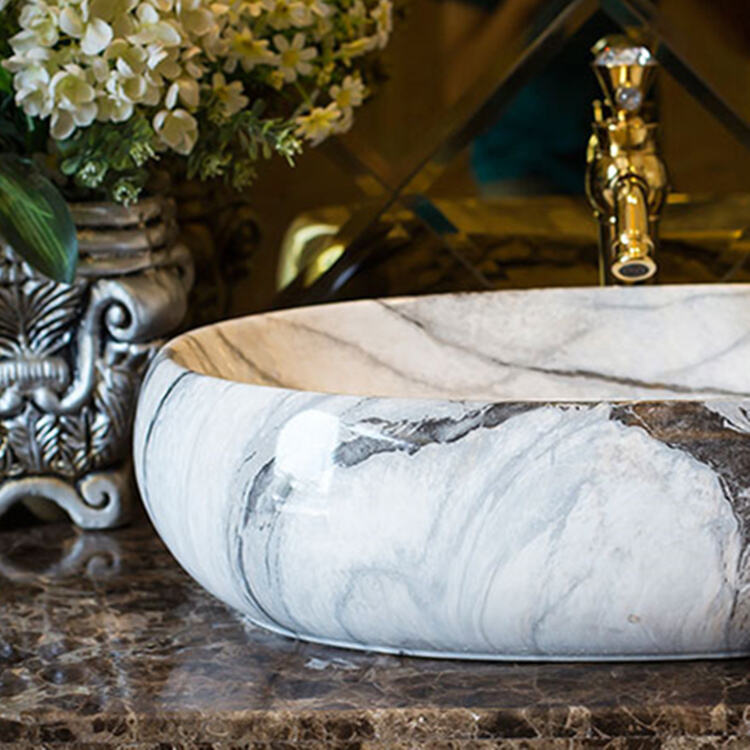
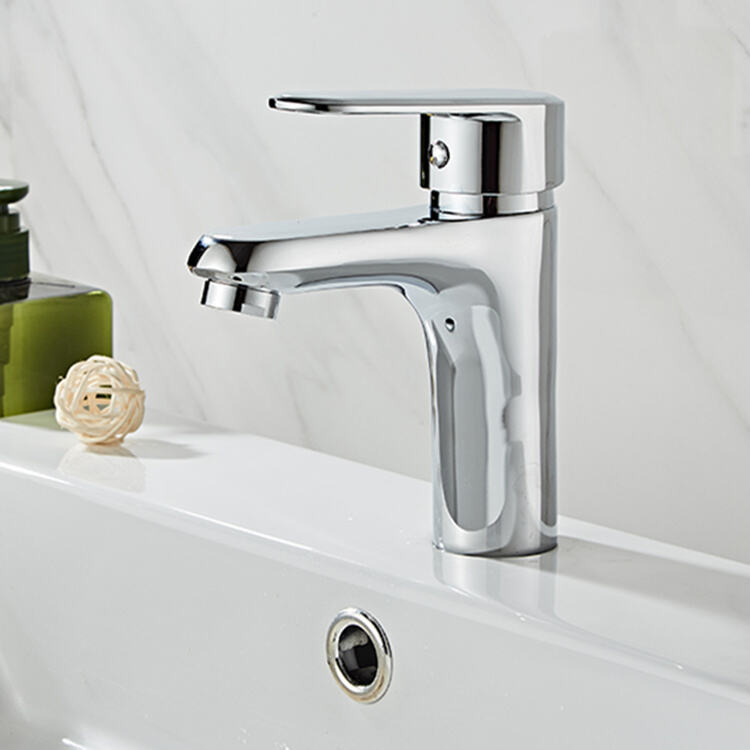
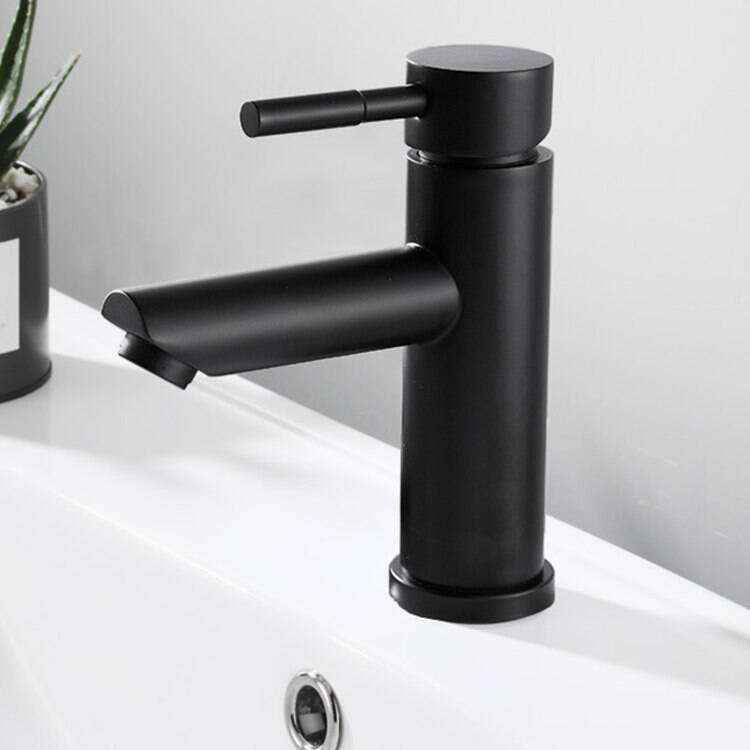
Modern tap technology represents a significant advancement in water control systems, serving as the fundamental interface between users and plumbing infrastructure. A tap functions as a mechanical valve designed to regulate water flow from supply pipes, offering precise control over water temperature, pressure, and volume. Contemporary tap designs incorporate sophisticated engineering principles that enhance both functionality and user experience. The primary function of any tap involves opening and closing water passages through various mechanisms, including quarter-turn ceramic disc cartridges, compression stems, or ball valves. These internal components work together to create reliable sealing and smooth operation throughout the tap's operational lifespan. Advanced tap models feature thermostatic mixing technology that maintains consistent water temperatures, preventing scalding incidents and improving comfort levels. Smart tap innovations integrate motion sensors, touchless activation systems, and programmable temperature settings that respond to user preferences automatically. The technological features found in modern tap designs include corrosion-resistant materials such as solid brass construction, chrome-plated finishes, and ceramic components that resist mineral buildup. Many tap models incorporate aerators that reduce water consumption while maintaining optimal flow pressure, contributing to environmental sustainability goals. Applications for tap technology span residential bathrooms, commercial kitchens, laboratory environments, healthcare facilities, and industrial processing centers. Each application requires specific tap characteristics tailored to particular usage patterns and performance requirements. Residential tap installations prioritize aesthetic appeal, ease of maintenance, and long-term reliability, while commercial applications emphasize durability, vandal resistance, and compliance with health regulations. The versatility of tap designs allows for seamless integration into various architectural styles and functional requirements, making them essential components in modern building infrastructure.


 EN
EN
 AR
AR BG
BG NL
NL FI
FI FR
FR DE
DE EL
EL IT
IT NO
NO PL
PL PT
PT RO
RO RU
RU ES
ES SV
SV TL
TL LV
LV LT
LT SR
SR UK
UK VI
VI SQ
SQ HU
HU MT
MT TH
TH AF
AF MS
MS KA
KA