sink faucets
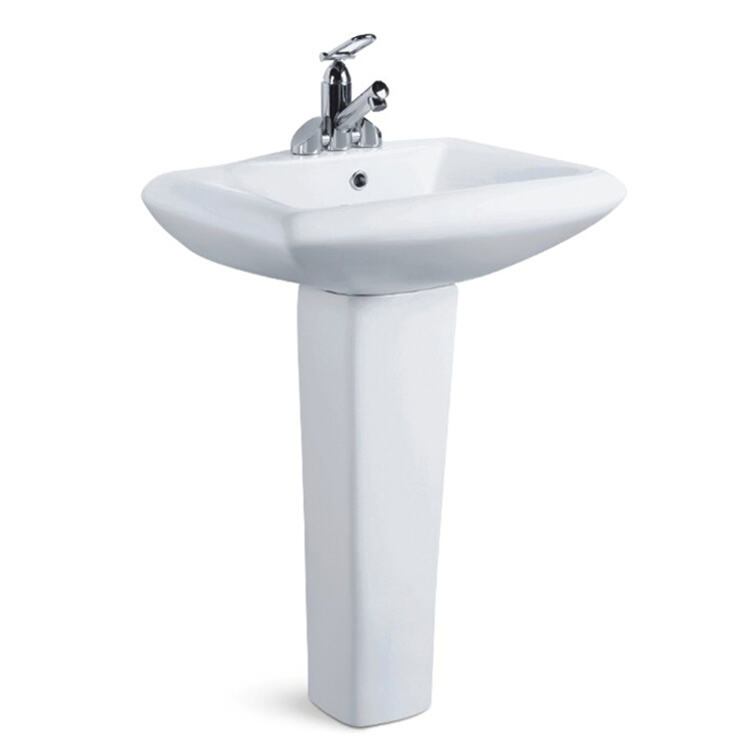
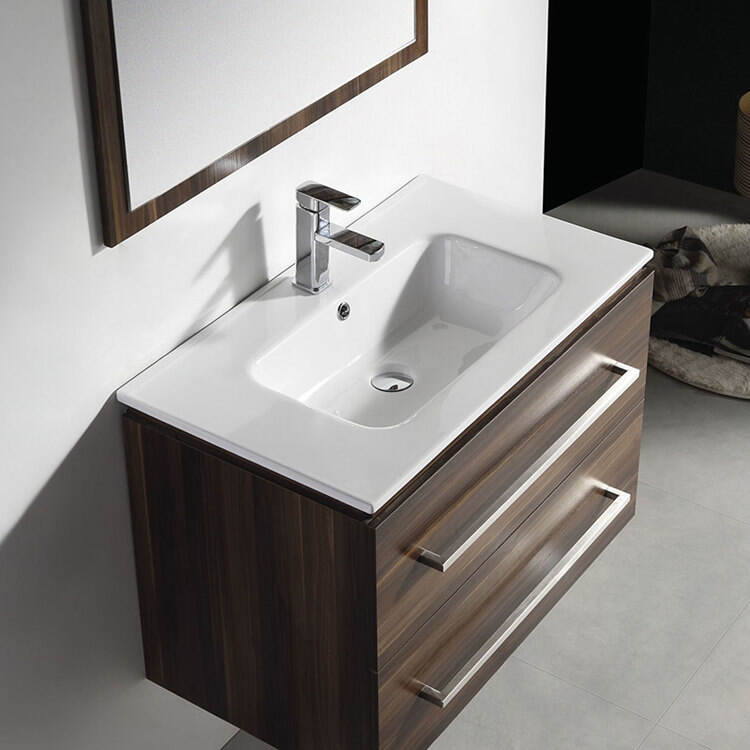
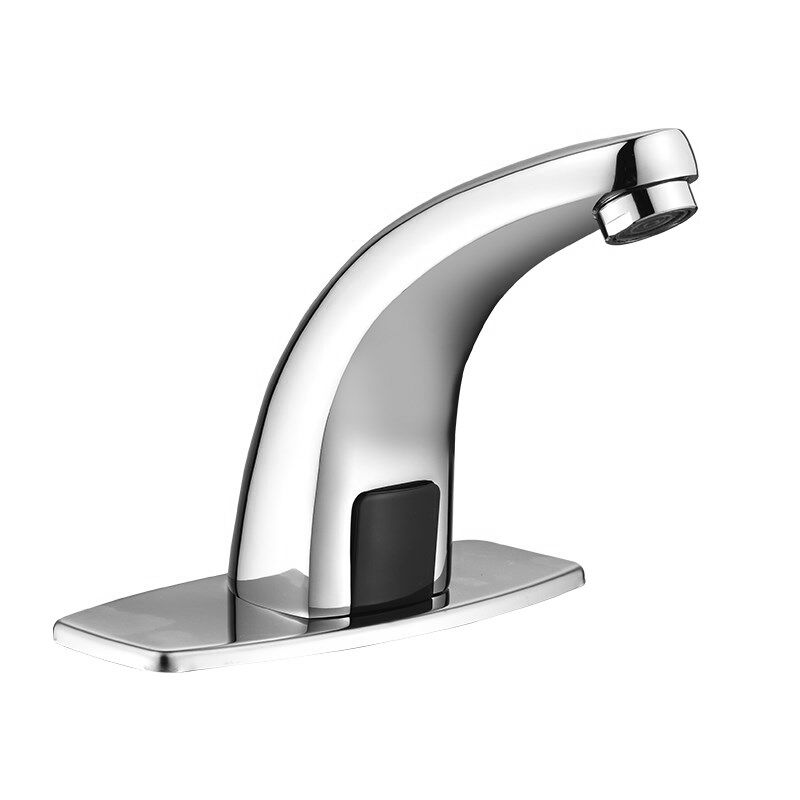
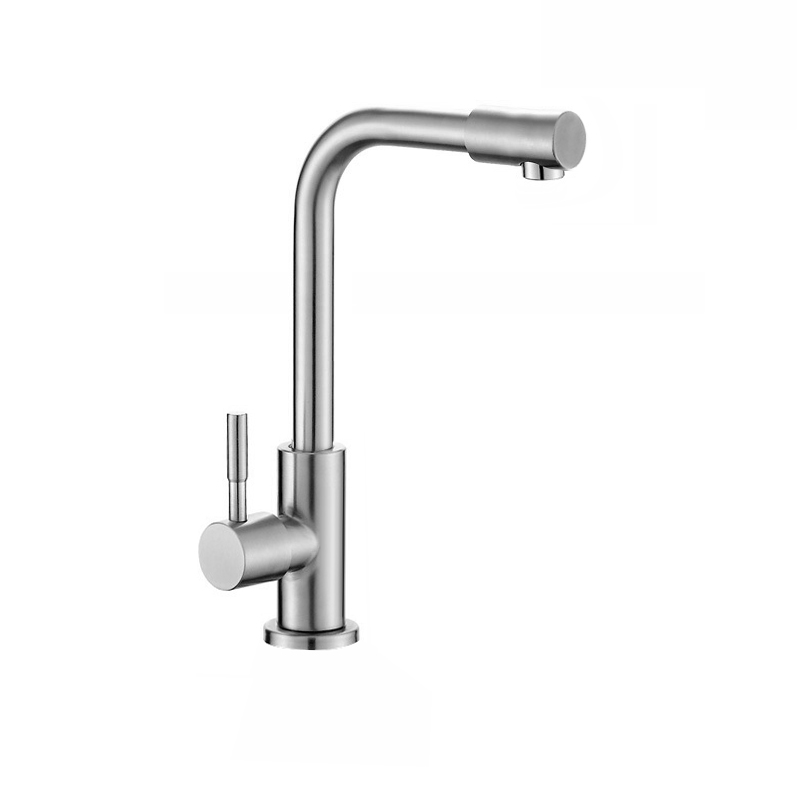
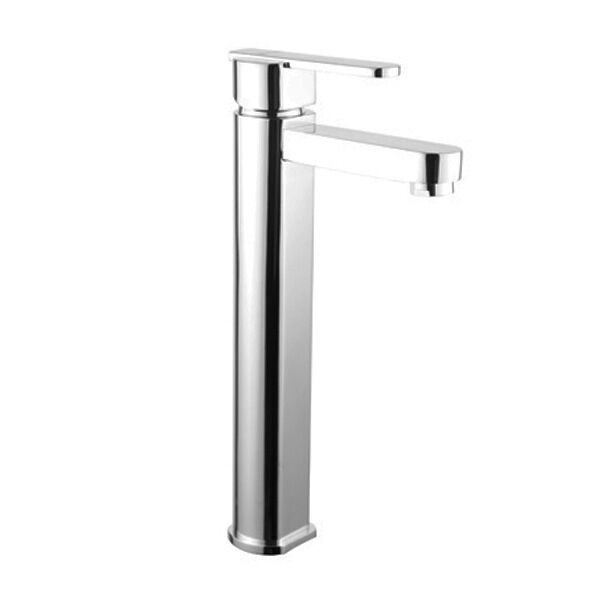
Sink faucets represent an essential component of modern kitchen and bathroom design, serving as the primary control mechanism for water flow and temperature regulation. These sophisticated fixtures have evolved from simple mechanical devices into technologically advanced systems that combine functionality, efficiency, and aesthetic appeal. Modern sink faucets incorporate various mechanisms including traditional compression valves, ball valves, cartridge systems, and ceramic disc technologies, each offering distinct performance characteristics and durability standards. The primary functions of sink faucets extend beyond basic water delivery to encompass precise temperature control, flow rate adjustment, and water conservation features. Contemporary models frequently integrate touchless activation systems, pull-out spray heads, and multi-function aerators that enhance user experience while promoting sustainable water usage practices. Technological innovations in sink faucets include smart sensors that detect hand proximity, LED temperature indicators that provide visual water temperature feedback, and programmable flow settings that accommodate different household needs. Advanced filtration systems are increasingly integrated directly into sink faucets, eliminating the need for separate water treatment devices while ensuring clean, safe drinking water at the point of use. The applications of sink faucets span residential kitchens, bathrooms, commercial food service establishments, medical facilities, and industrial washrooms, with specialized designs tailored to meet specific environmental requirements and usage patterns. Material construction typically involves brass, stainless steel, or composite materials that resist corrosion and maintain structural integrity under continuous use. Installation compatibility varies among different sink configurations, countertop materials, and plumbing systems, with manufacturers providing comprehensive mounting options including single-hole, three-hole, and wall-mounted configurations to accommodate diverse architectural requirements and user preferences.
 EN
EN
 AR
AR BG
BG NL
NL FI
FI FR
FR DE
DE EL
EL IT
IT NO
NO PL
PL PT
PT RO
RO RU
RU ES
ES SV
SV TL
TL LV
LV LT
LT SR
SR UK
UK VI
VI SQ
SQ HU
HU MT
MT TH
TH AF
AF MS
MS KA
KA