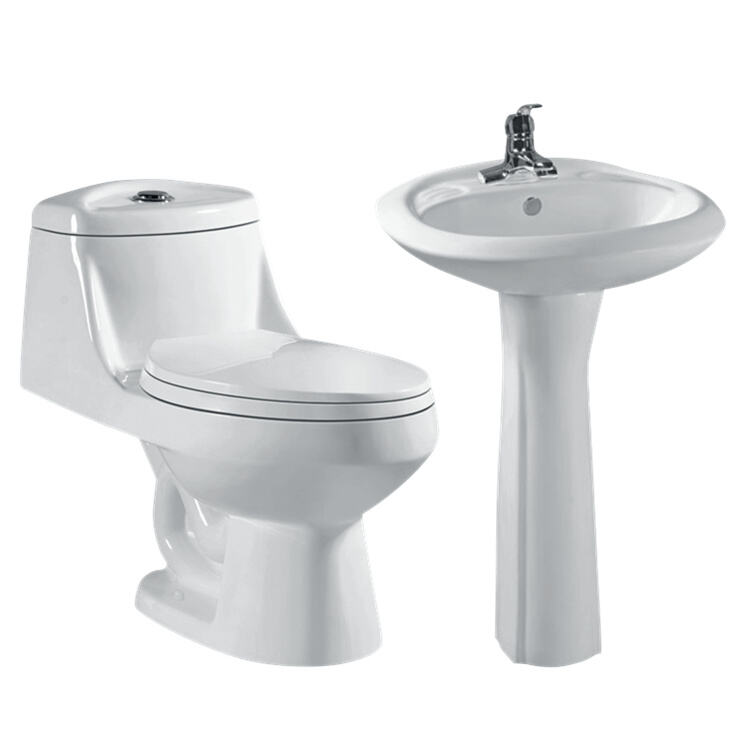
washroom
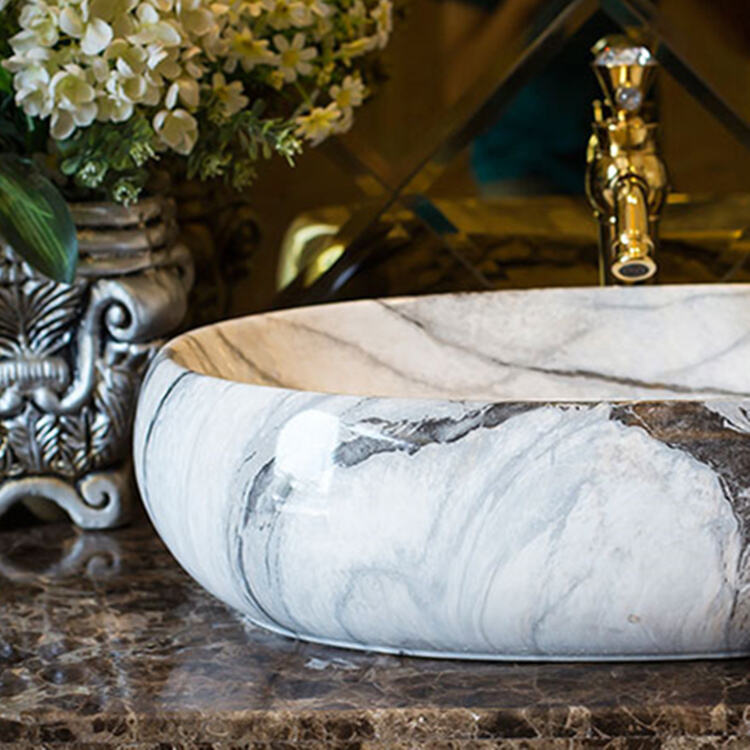
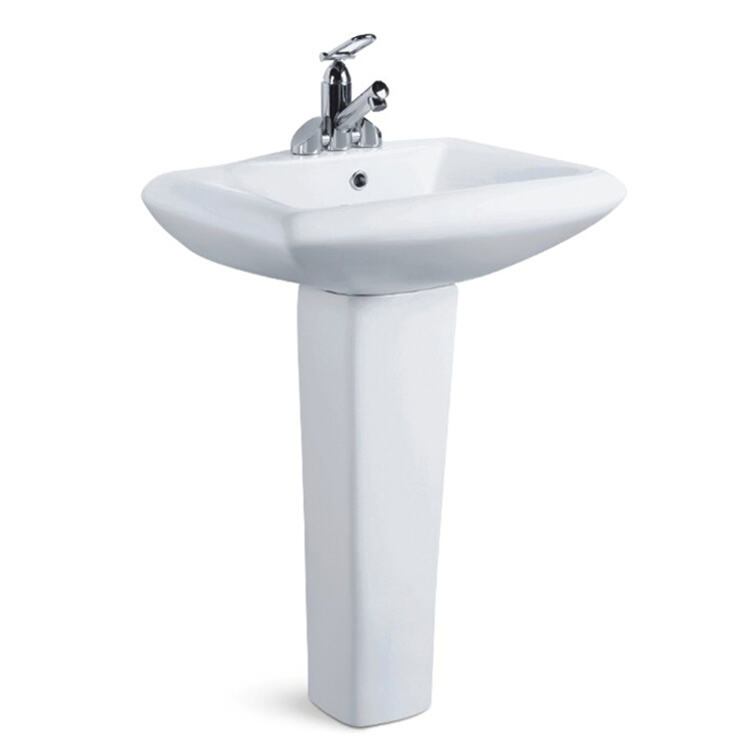
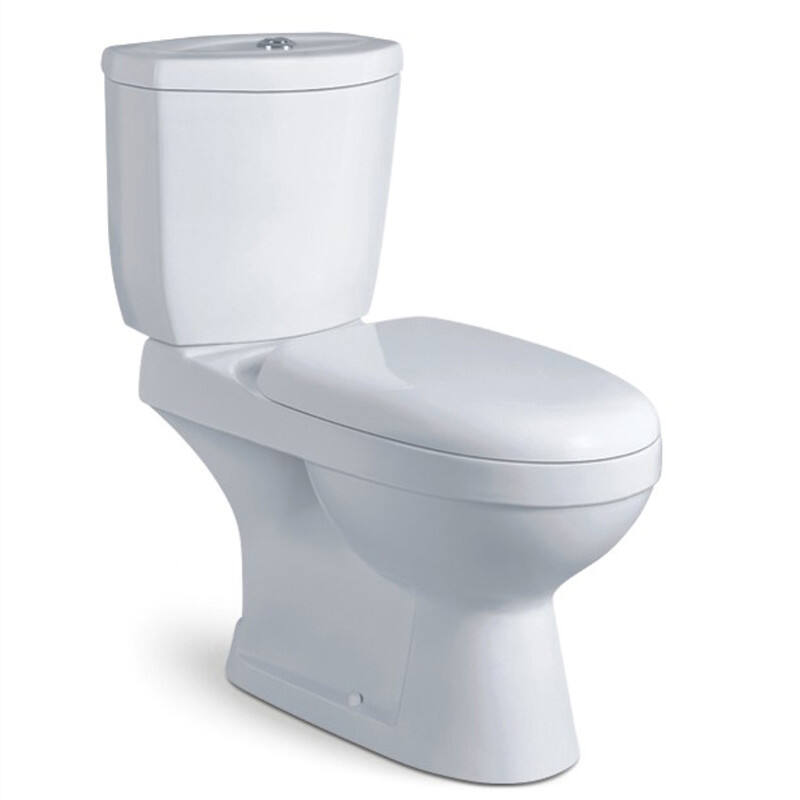
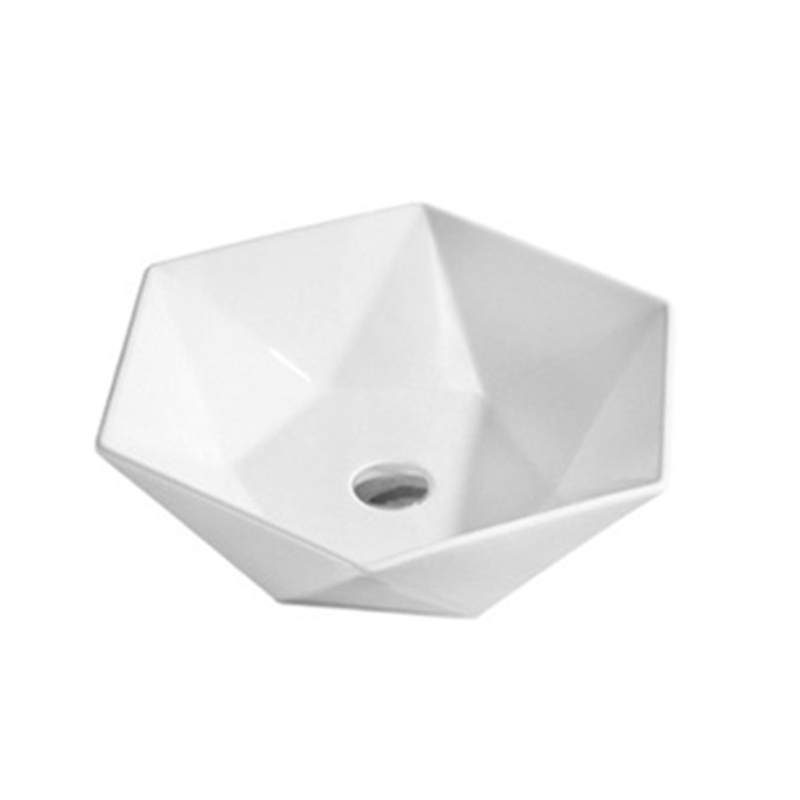
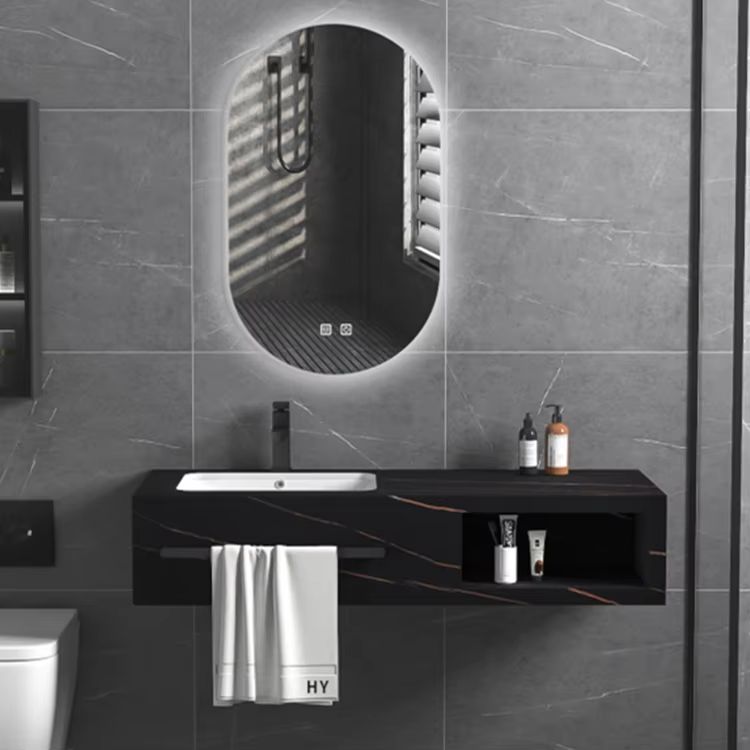
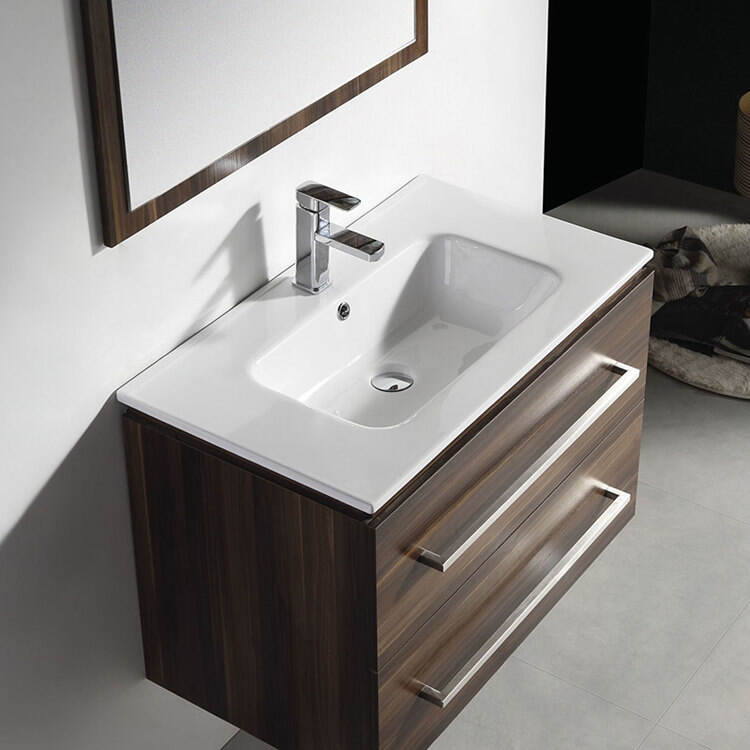
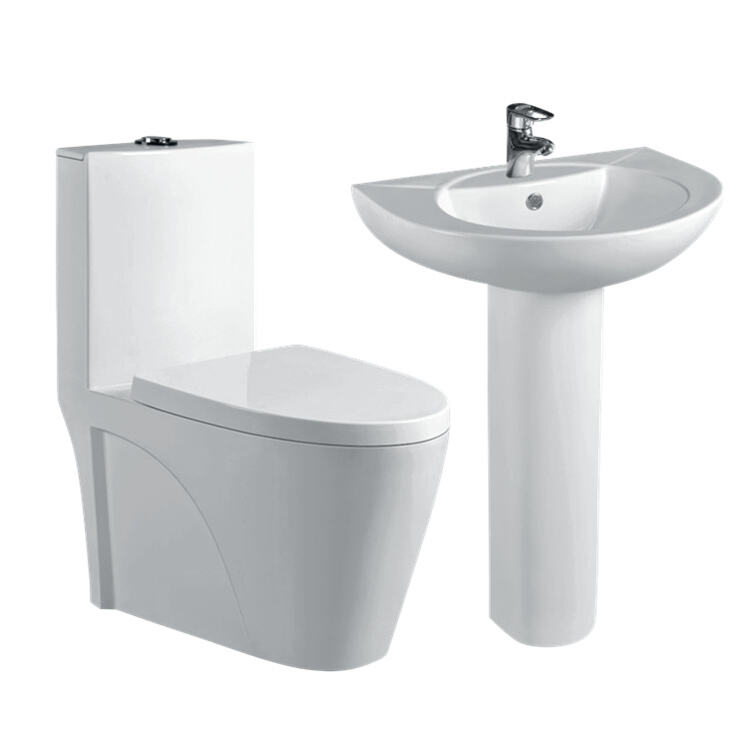
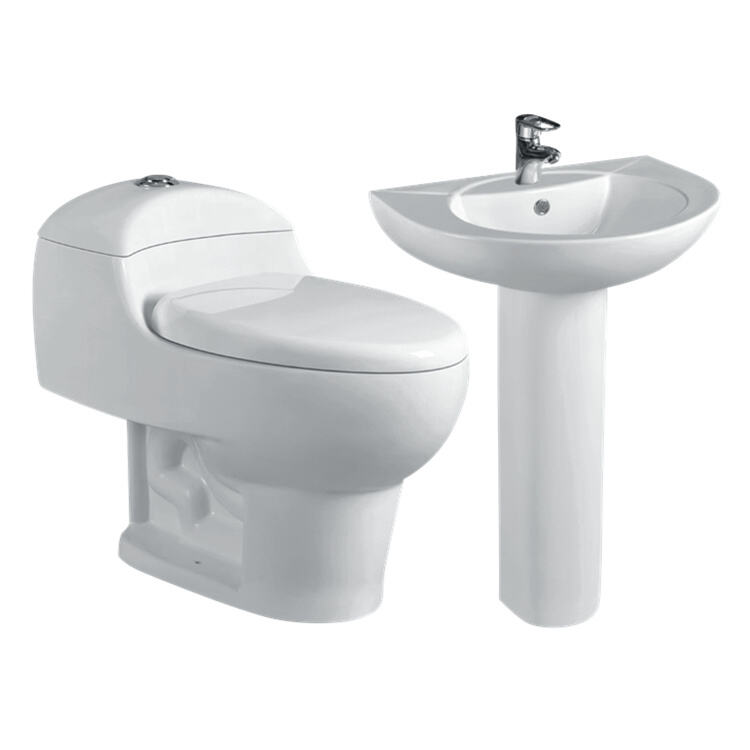
A washroom represents an essential facility designed to meet fundamental hygiene needs while providing comfort and convenience for users across various environments. Modern washrooms serve multiple critical functions including personal hygiene maintenance, waste disposal, and hand washing, making them indispensable in residential, commercial, and public settings. These facilities incorporate sophisticated plumbing systems that ensure reliable water supply and efficient drainage, creating a sanitary environment that promotes health and well-being. The technological advancement in washroom design has revolutionized traditional concepts, introducing smart features such as automatic faucets, sensor-activated lighting, and touchless dispensers that enhance user experience while maintaining optimal hygiene standards. Contemporary washrooms utilize water-efficient fixtures including low-flow toilets, aerator-equipped faucets, and dual-flush systems that significantly reduce water consumption without compromising functionality. The integration of antimicrobial surfaces, advanced ventilation systems, and air purification technology creates environments that actively combat bacteria and odors, ensuring freshness and cleanliness throughout daily use. Modern washroom applications extend beyond basic necessity, serving as wellness spaces that incorporate elements of comfort and accessibility. These facilities accommodate diverse user needs through universal design principles, featuring grab bars, adjustable fixtures, and wheelchair-accessible layouts that ensure inclusivity for all individuals. The incorporation of natural lighting, quality materials, and aesthetic design elements transforms washrooms into pleasant spaces that enhance overall user satisfaction. Advanced drainage systems prevent flooding and maintain proper sanitation, while temperature-controlled water delivery ensures comfortable use regardless of external conditions. Energy-efficient LED lighting systems provide optimal illumination while reducing operational costs, demonstrating how modern washrooms balance functionality with environmental responsibility. The strategic placement and design of washrooms in various settings contribute significantly to overall space utilization and user convenience, making them integral components of successful architectural planning.
 EN
EN
 AR
AR BG
BG NL
NL FI
FI FR
FR DE
DE EL
EL IT
IT NO
NO PL
PL PT
PT RO
RO RU
RU ES
ES SV
SV TL
TL LV
LV LT
LT SR
SR UK
UK VI
VI SQ
SQ HU
HU MT
MT TH
TH AF
AF MS
MS KA
KA