Low-Maintenance Reliability
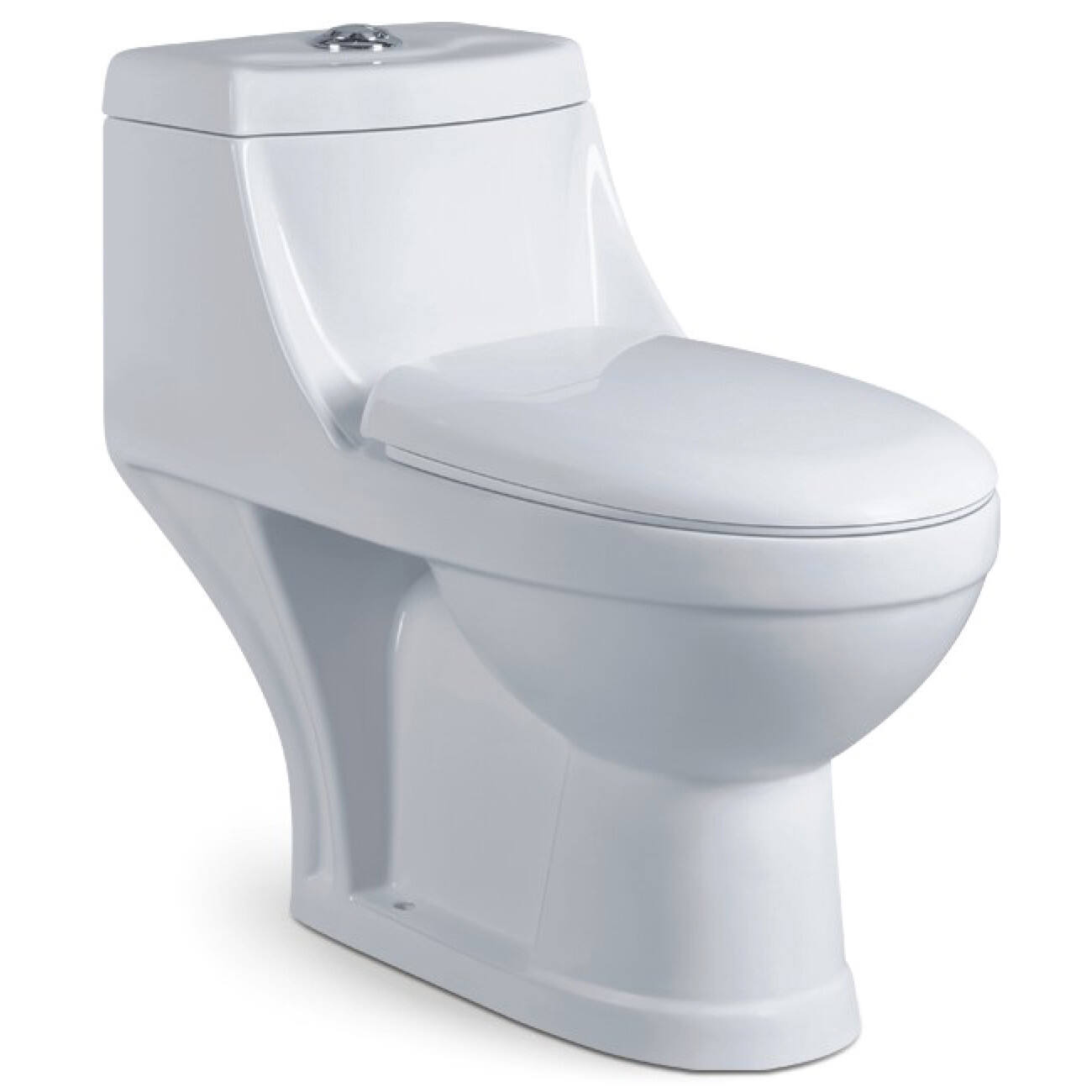
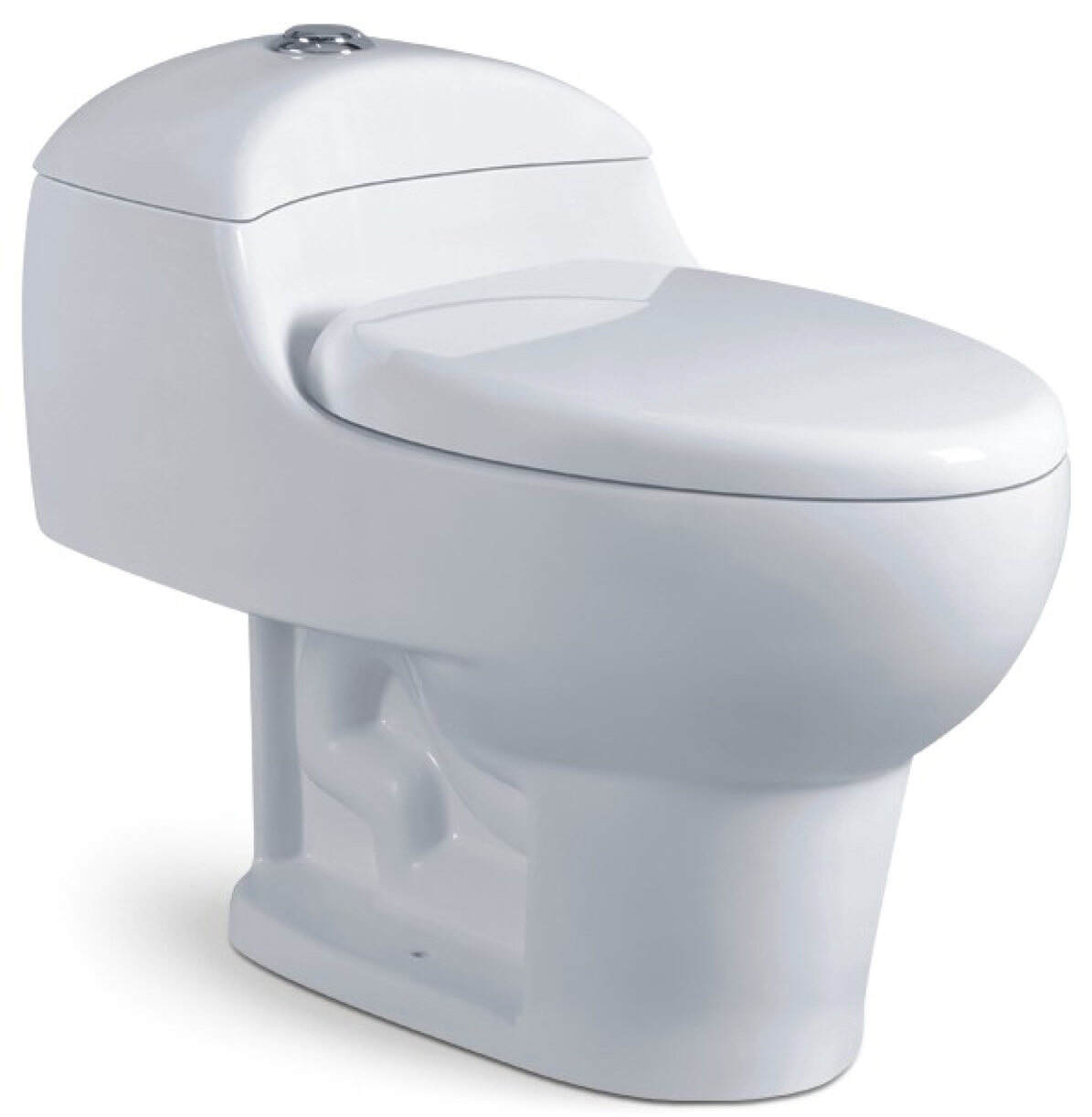
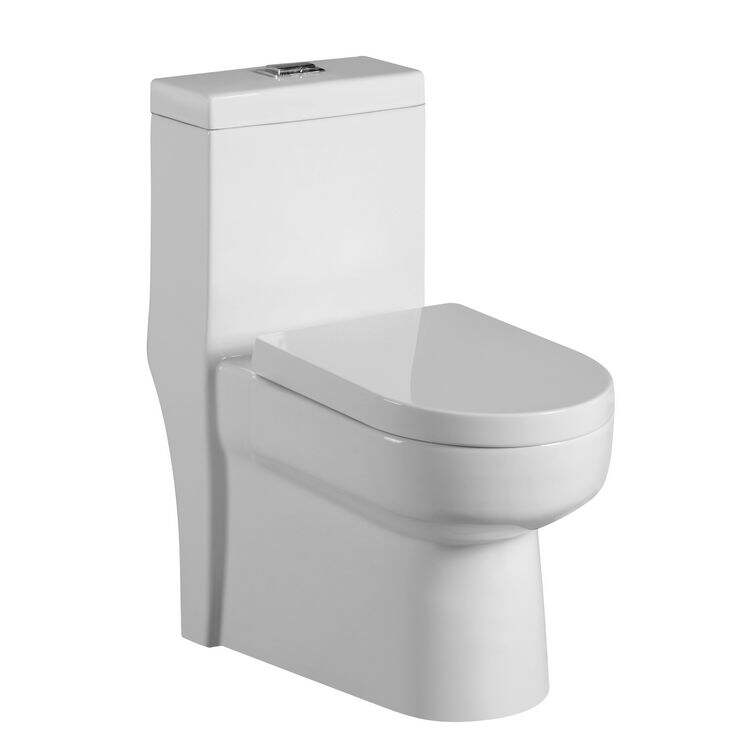
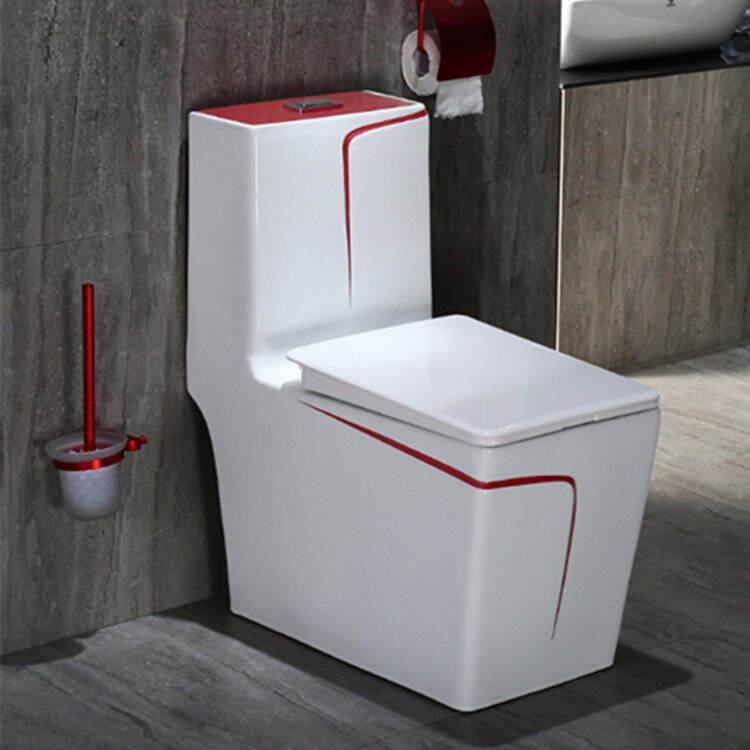
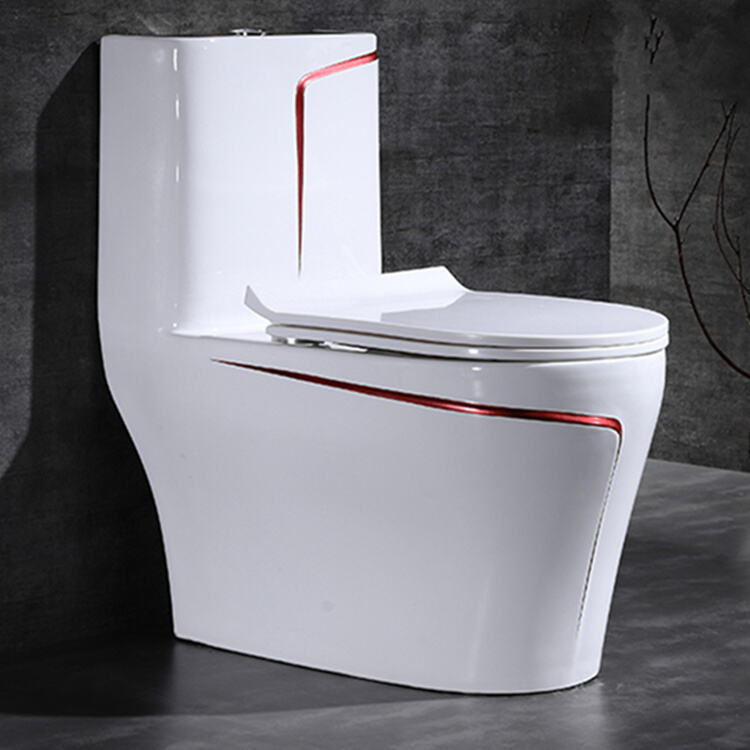
The siphon toilet design prioritizes long-term reliability through simplified mechanical construction that minimizes maintenance requirements and reduces operational costs over the fixture lifespan. Unlike complex pressure-assisted systems that incorporate multiple moving parts, electronic controls, and specialized components, siphon toilets rely on proven hydraulic principles that operate without mechanical assistance or external power sources. This fundamental approach eliminates common failure points associated with pumps, sensors, pressure tanks, and electronic valves that require regular servicing and eventual replacement. The ceramic construction utilizes high-quality materials and manufacturing processes that resist wear, corrosion, and chemical damage from cleaning products and waste materials. The glazed bowl surfaces maintain their smooth finish indefinitely under normal usage conditions, preventing waste accumulation and bacterial growth that could compromise sanitation or performance. Routine maintenance involves standard cleaning procedures and occasional replacement of basic components like flappers, fill valves, and flush mechanisms that homeowners can typically handle without professional assistance. The universal design accommodates readily available replacement parts from multiple manufacturers, ensuring long-term serviceability without dependence on proprietary components or specialized suppliers. Professional plumbers appreciate the straightforward troubleshooting and repair procedures that utilize conventional tools and techniques, reducing service time and costs for customers. The reliable operation characteristic of siphon toilets translates to fewer emergency service calls, reduced facility downtime, and improved user satisfaction in both residential and commercial applications. Property managers recognize the value of fixtures that maintain consistent performance with minimal intervention, particularly in multi-unit buildings where maintenance costs accumulate rapidly across multiple installations. The durability factor becomes especially important in rental properties and commercial facilities where fixtures experience heavy usage and require dependable performance to minimize operational disruptions and tenant complaints.

 EN
EN
 AR
AR BG
BG NL
NL FI
FI FR
FR DE
DE EL
EL IT
IT NO
NO PL
PL PT
PT RO
RO RU
RU ES
ES SV
SV TL
TL LV
LV LT
LT SR
SR UK
UK VI
VI SQ
SQ HU
HU MT
MT TH
TH AF
AF MS
MS KA
KA