toilet seats
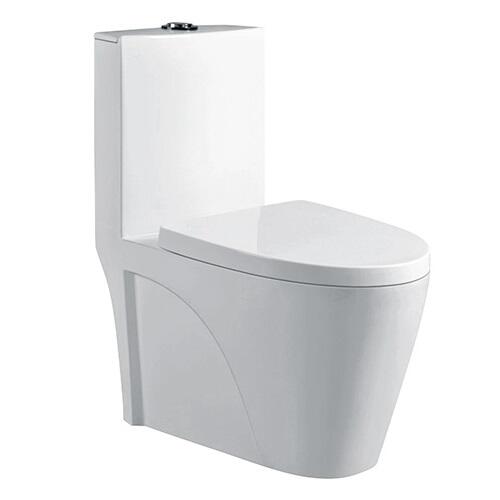
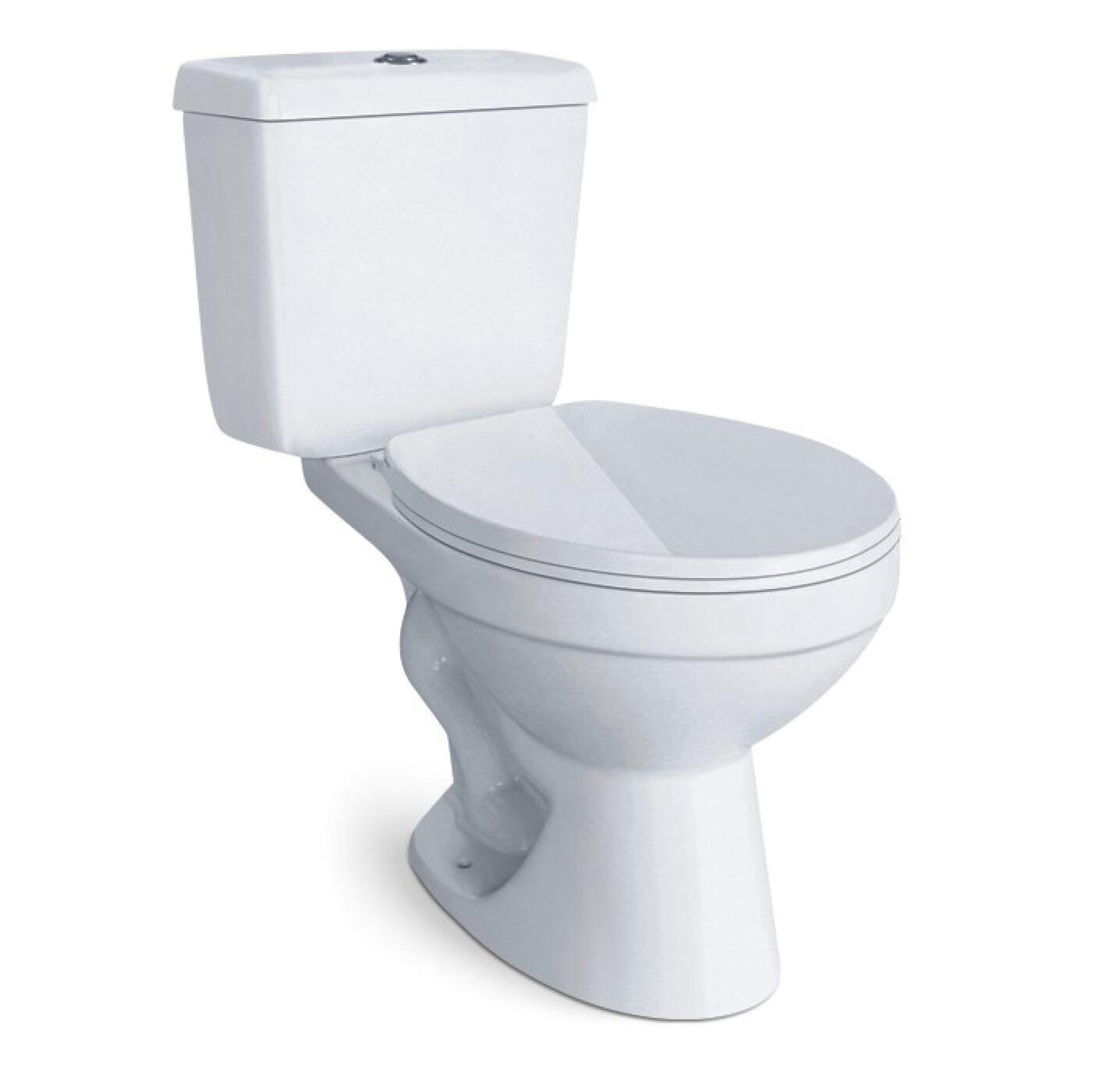
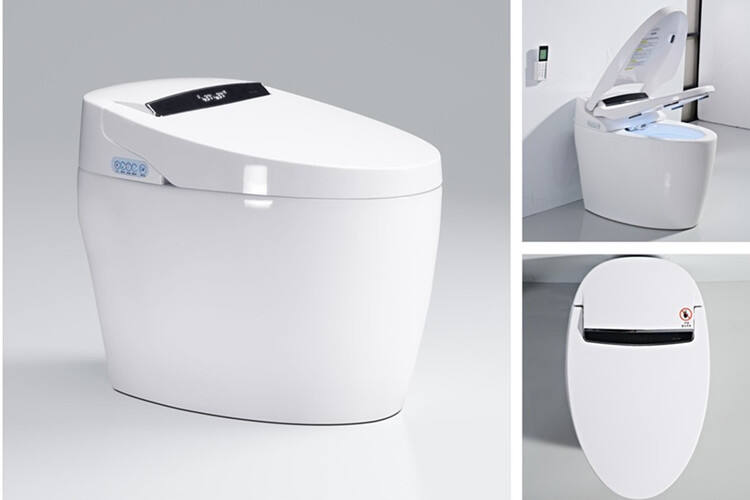
Toilet seats represent a fundamental component of modern bathroom fixtures, serving as the primary interface between users and toilet bowls. These essential accessories have evolved significantly from basic wooden or plastic designs to sophisticated units incorporating advanced technology and ergonomic engineering. Modern toilet seats fulfill multiple functions beyond their primary purpose, including hygiene maintenance, comfort enhancement, and bathroom aesthetics improvement. The contemporary market offers various types of toilet seats, ranging from standard models to smart electronic versions equipped with cutting-edge features. Basic toilet seats provide essential functionality through durable construction materials like high-quality plastics, wood, or specialized composites that resist wear, staining, and bacterial growth. These seats incorporate hinges and mounting systems designed for secure attachment to toilet bowls while allowing easy cleaning and maintenance. Advanced toilet seats integrate sophisticated technology such as heated surfaces, automatic opening and closing mechanisms, built-in bidets, air drying systems, and deodorization functions. Many premium models feature sensor-activated operation, eliminating the need for manual contact and promoting superior hygiene standards. The applications of modern toilet seats extend across residential, commercial, and institutional settings, including homes, offices, hotels, hospitals, restaurants, and public facilities. Each environment demands specific features and durability requirements, driving manufacturers to develop specialized solutions. Residential toilet seats often prioritize comfort, aesthetics, and convenience features, while commercial applications emphasize durability, easy maintenance, and vandal resistance. Healthcare facilities require toilet seats with antimicrobial properties and easy sanitization capabilities. The technological integration in toilet seats continues expanding, with manufacturers incorporating smart connectivity, personalized user settings, energy-efficient heating systems, and water-saving features that align with environmental sustainability goals.
 EN
EN
 AR
AR BG
BG NL
NL FI
FI FR
FR DE
DE EL
EL IT
IT NO
NO PL
PL PT
PT RO
RO RU
RU ES
ES SV
SV TL
TL LV
LV LT
LT SR
SR UK
UK VI
VI SQ
SQ HU
HU MT
MT TH
TH AF
AF MS
MS KA
KA