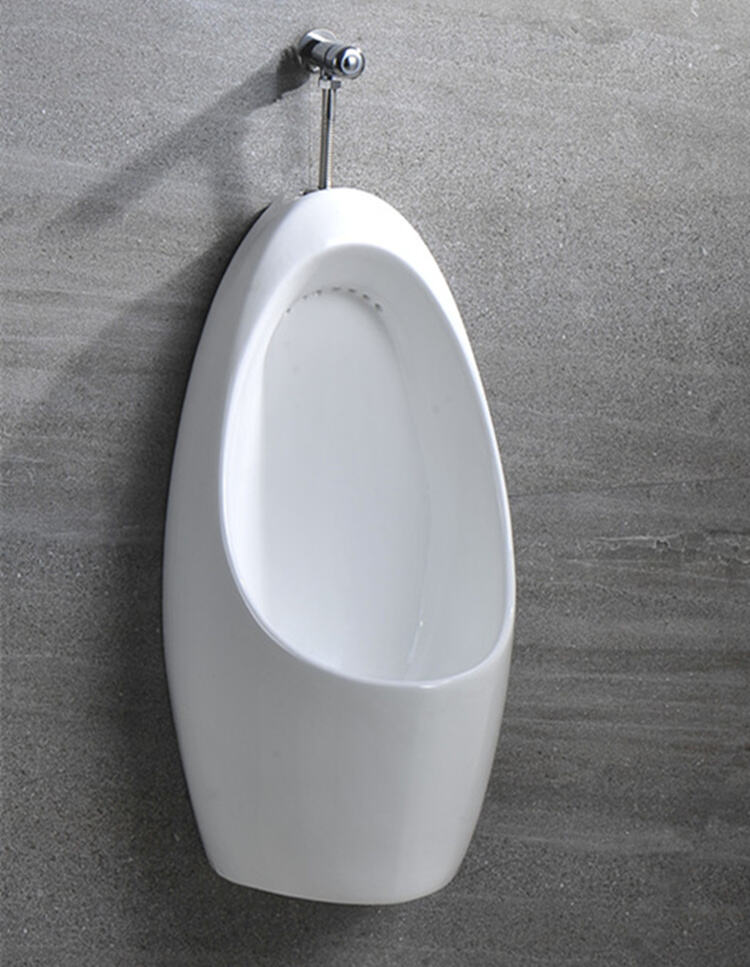
male urinal
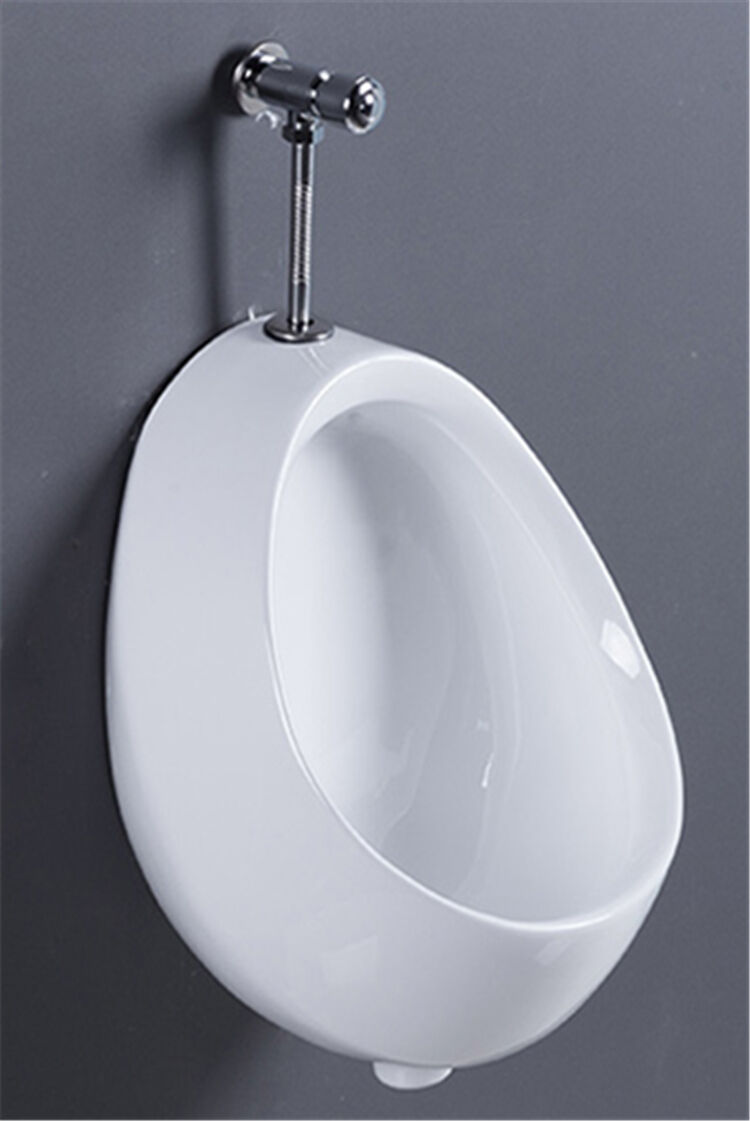
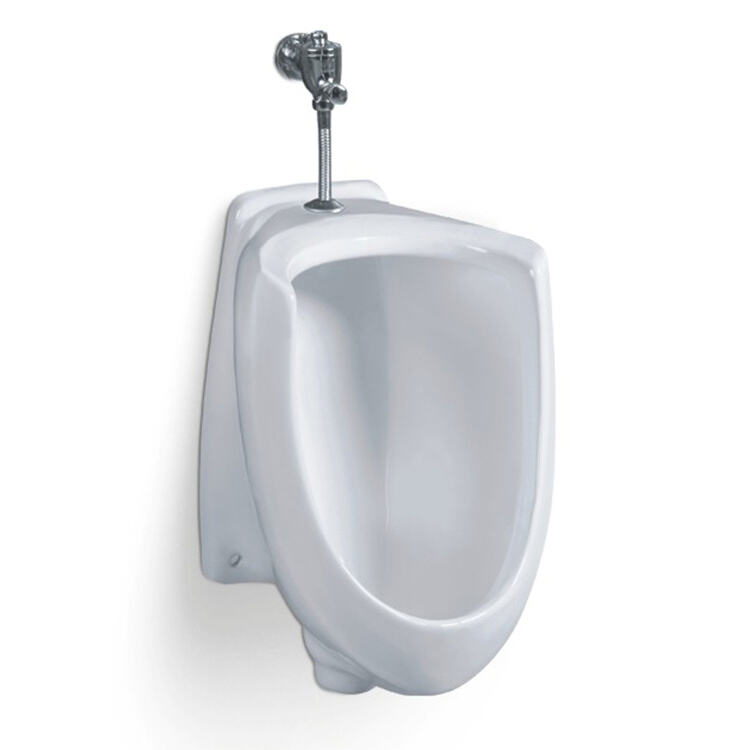
The male urinal represents a specialized plumbing fixture designed specifically for men's restroom facilities, offering an efficient and hygienic solution for waste management in commercial, institutional, and public environments. This wall-mounted or floor-standing fixture provides a dedicated space for urination, eliminating the need for traditional toilet facilities for this specific function. Modern male urinals incorporate advanced engineering principles to maximize water efficiency while maintaining superior sanitation standards. The typical male urinal features a bowl-shaped receptacle constructed from vitreous china, stainless steel, or other durable materials that resist staining and bacterial growth. These fixtures integrate sophisticated flushing mechanisms, including manual flush valves, automatic sensor-activated systems, or waterless technologies that reduce environmental impact. The design incorporates precise angles and curves that facilitate proper drainage while minimizing splashing and cross-contamination. Installation flexibility allows male urinals to accommodate various wall heights and user demographics, with pediatric models available for schools and child-friendly facilities. The fixture connects to standard plumbing infrastructure through concealed piping systems that maintain aesthetic appeal while ensuring reliable operation. Advanced male urinal models feature antimicrobial surfaces, hands-free operation, and intelligent water management systems that adjust flush volume based on usage patterns. These technological innovations contribute to reduced maintenance requirements and enhanced user experience. The male urinal serves multiple applications across diverse sectors, including office buildings, restaurants, airports, stadiums, schools, hospitals, and manufacturing facilities. Its compact footprint allows facility managers to maximize restroom capacity within limited square footage, accommodating higher traffic volumes efficiently. The fixture's specialized design promotes faster turnover rates compared to traditional toilet stalls, reducing wait times and improving overall facility throughput during peak usage periods.
 EN
EN
 AR
AR BG
BG NL
NL FI
FI FR
FR DE
DE EL
EL IT
IT NO
NO PL
PL PT
PT RO
RO RU
RU ES
ES SV
SV TL
TL LV
LV LT
LT SR
SR UK
UK VI
VI SQ
SQ HU
HU MT
MT TH
TH AF
AF MS
MS KA
KA