Selecting the appropriate size for your PVC bathroom cabinet is a critical decision that impacts both functionality and aesthetics in your bathroom space. The right cabinet not only provides essential storage but also enhances the overall design while maximizing the utility of your available area. Understanding the key factors that influence size selection will help you make an informed choice that meets your specific needs and complements your bathroom's layout perfectly.
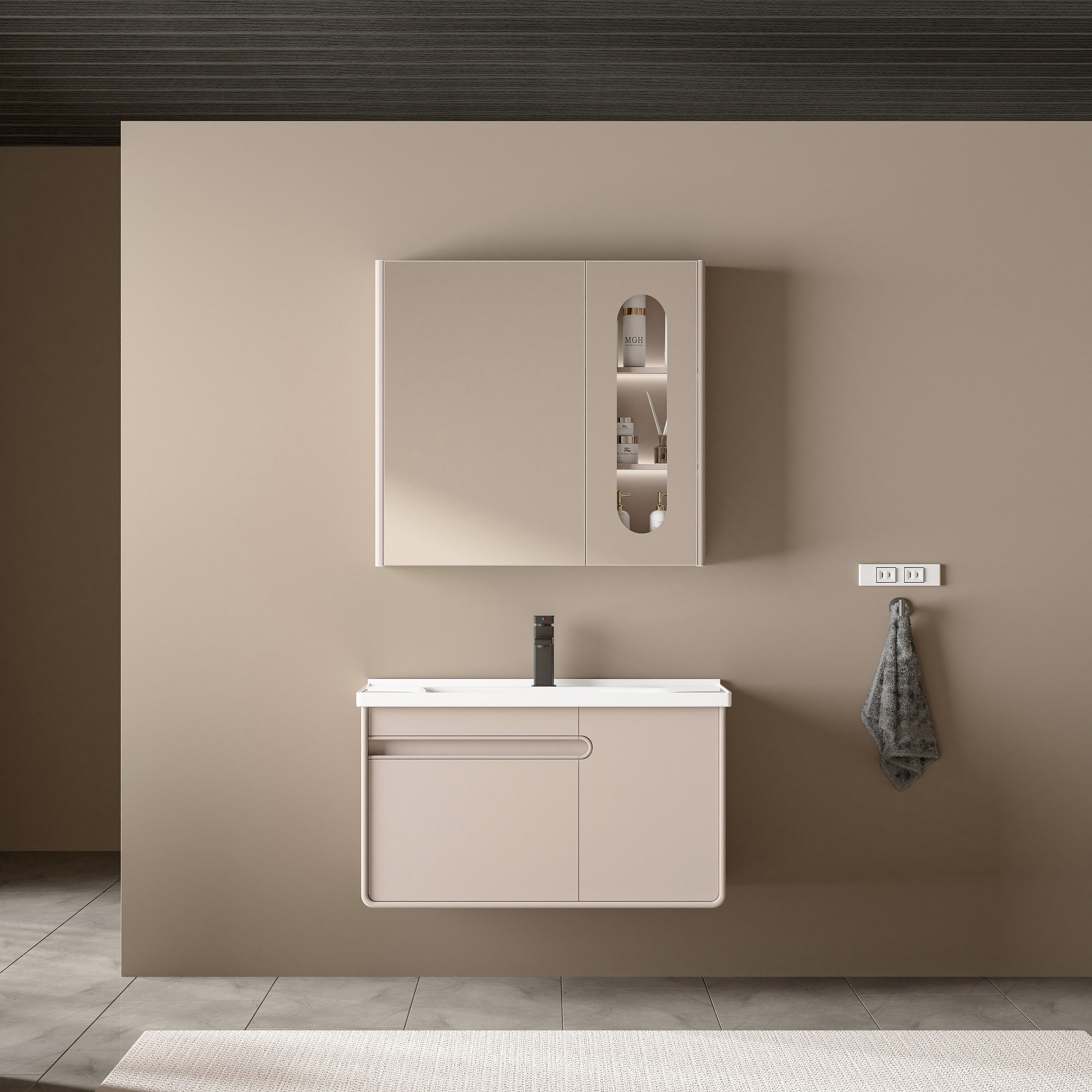
Modern bathrooms come in various configurations, from compact powder rooms to spacious master suites, and each requires careful consideration when choosing cabinet dimensions. The size of your PVC bathroom cabinet directly affects daily usability, storage capacity, and visual balance within the space. Whether you're renovating an existing bathroom or designing a new one, understanding proper sizing principles ensures optimal functionality and long-term satisfaction with your investment.
Before selecting any PVC bathroom cabinet, accurate measurement of your available space is fundamental to making the right choice. Begin by measuring the wall length where you plan to install the cabinet, noting any obstacles such as electrical outlets, plumbing fixtures, or architectural features that might affect placement. Record both the width and height of the area, as well as the depth available from the wall to any opposing fixtures or walkway space.
Consider the clearance requirements for doors, drawers, and daily movement around the cabinet. Most building codes recommend maintaining at least 30 inches of clear space in front of bathroom fixtures, though 36 inches provides more comfortable access. Additionally, measure the distance from the floor to any existing plumbing connections, as this will influence the cabinet height and installation requirements for your chosen unit.
The proportional relationship between your cabinet and the overall bathroom dimensions significantly impacts visual appeal and functionality. In smaller bathrooms, oversized cabinets can make the space feel cramped and overwhelming, while undersized units may appear insignificant and provide insufficient storage. Aim for a cabinet width that occupies approximately 60-80% of the available wall space for optimal visual balance.
Height considerations are equally important, as the cabinet should complement the room's ceiling height and other fixtures. Standard bathroom cabinets typically range from 32 to 36 inches in height, but taller units up to 42 inches can work well in rooms with higher ceilings. The key is maintaining proportion while ensuring the cabinet remains accessible and functional for all users in your household.
Single PVC bathroom cabinets typically range from 18 to 48 inches in width, making them suitable for various bathroom sizes and user requirements. Compact units measuring 18-24 inches work well in powder rooms or small guest bathrooms, providing essential storage without overwhelming the space. Medium-sized single vanities measuring 30-36 inches offer increased storage and counter space while remaining suitable for most standard bathrooms.
Larger single vanities extending 42-48 inches provide substantial storage and workspace, ideal for master bathrooms or when multiple users share the space. These units often feature multiple drawers, cabinet compartments, and extended countertop areas for toiletries and daily essentials. When selecting single vanity dimensions, consider both current storage needs and potential future requirements to ensure long-term satisfaction.
Double vanity PVC bathroom cabinet configurations require significantly more wall space, typically ranging from 60 to 84 inches in width. These units provide separate sink areas and storage compartments for shared bathrooms, making them popular in master suites and family bathrooms. The additional width accommodates two users simultaneously while maintaining individual storage zones and counter space.
When considering double vanities, ensure your bathroom can accommodate the increased width while maintaining proper clearance for movement and door operation. The spacing between sink centers should measure at least 30 inches, with 36 inches being more comfortable for daily use. Additionally, verify that your plumbing configuration can support dual sink installation or factor in modification costs when planning your cabinet selection.
Most PVC bathroom cabinets feature standard depths ranging from 18 to 24 inches, designed to accommodate typical sink installations while providing adequate storage space. Shallow cabinets measuring 18-20 inches work well in narrow bathrooms or where space is limited, while deeper units offer increased storage capacity and larger countertop areas for daily essentials and decorative items.
The cabinet depth directly affects the room's traffic flow and accessibility, particularly in smaller bathrooms where every inch matters. Consider how the cabinet depth impacts door swings, movement patterns, and clearance to opposing fixtures when making your selection. Deeper cabinets provide more storage but may encroach on walkway space, while shallower units preserve floor area but offer limited storage capacity.
Cabinet height affects both functionality and visual impact, with standard heights typically ranging from 32 to 36 inches for floor-mounted units. This height range accommodates most adult users comfortably while providing adequate storage volume below the countertop. Taller cabinets measuring 42 inches can work well in bathrooms with high ceilings, offering additional storage in the lower compartments.
Wall-mounted PVC bathroom cabinets offer flexibility in height positioning, allowing customization based on user preferences and room proportions. These units can be installed at various heights to optimize accessibility while creating the illusion of more floor space in smaller bathrooms. Consider the primary users' heights and any mobility requirements when determining the optimal installation height for wall-mounted configurations.
Evaluating your current and future storage requirements is essential for selecting the appropriate PVC bathroom cabinet size. Inventory your bathroom essentials including towels, toiletries, cleaning supplies, and personal care items to determine the storage volume needed. Consider both daily-use items that require easy access and seasonal or backup supplies that can be stored in less accessible areas.
Different cabinet configurations offer varying storage solutions, from open shelving for frequently used items to closed compartments for concealing clutter. Drawers provide excellent organization for smaller items, while larger cabinet sections accommodate bulky items like hair dryers and cleaning supplies. Plan your storage needs carefully to ensure the selected cabinet size provides adequate capacity without excess unused space.
Efficient storage design maximizes the utility of your chosen PVC bathroom cabinet size through thoughtful organization and accessibility features. Look for cabinets with adjustable shelving, allowing customization of interior space to accommodate items of various sizes. Pull-out drawers and soft-close mechanisms enhance accessibility while protecting cabinet contents and extending hardware life.
Consider cabinet configurations that incorporate both open and closed storage options, providing flexibility for displaying decorative items while concealing everyday necessities. Vertical dividers and specialized organizers can significantly increase storage efficiency within the same cabinet footprint, making smaller units more functional and reducing the need for oversized cabinets that may overwhelm your bathroom space.
Building codes and safety regulations establish minimum clearance requirements that directly impact PVC bathroom cabinet sizing and placement decisions. Most jurisdictions require at least 21 inches of clear space in front of bathroom fixtures, though 30 inches is more commonly recommended for comfortable use. These clearances ensure safe egress and accessibility compliance, particularly important in renovation projects.
Electrical and plumbing code requirements also influence cabinet sizing, as outlets must be properly positioned relative to water sources and cabinet edges. GFCI outlets should be located outside the immediate splash zone while remaining accessible for daily use. Coordinate cabinet dimensions with existing or planned electrical and plumbing layouts to ensure code compliance and optimal functionality.
Universal design principles recommend cabinet sizing that accommodates users of various ages and abilities, ensuring long-term usability as household needs evolve. Standard counter heights of 32-34 inches work well for most users, though adjustable or varied height options can accommodate wheelchair access or different user preferences within the same household.
Consider cabinet configurations that provide knee space below for seated use, even if not currently required. This forward-thinking approach adds value and functionality while ensuring your PVC bathroom cabinet selection remains suitable as accessibility needs change over time. Lever-style hardware and soft-close mechanisms also enhance usability for individuals with limited mobility or strength.
The visual relationship between your PVC bathroom cabinet and surrounding elements significantly impacts the overall design success and perceived space size. Cabinets should complement rather than compete with other fixtures, maintaining harmonious proportions that enhance the bathroom's aesthetic appeal. Consider the scale of existing elements like bathtubs, showers, and windows when selecting cabinet dimensions.
Horizontal lines created by cabinet edges and countertops can make rooms appear wider, while vertical elements add height perception. Balance these visual effects with your bathroom's existing proportions to create a cohesive design that feels intentional and well-planned. Avoid cabinets that appear oversized or undersized relative to the room's scale and existing fixtures.
Cabinet sizing should align with your chosen design style and the bathroom's architectural character. Traditional designs often favor substantial, furniture-like proportions, while contemporary styles may emphasize clean lines and minimalist profiles. The size and configuration of your PVC bathroom cabinet should reinforce your design intent while providing the necessary functionality.
Consider how cabinet dimensions interact with tile patterns, lighting placement, and mirror sizing to create a unified design scheme. Larger cabinets may require correspondingly scaled mirrors and lighting fixtures to maintain visual balance, while smaller units offer more flexibility in complementary element sizing. Plan these relationships carefully to ensure all components work together harmoniously.
The minimum functional size for a PVC bathroom cabinet in a small powder room is typically 18-24 inches wide, 18-20 inches deep, and 32-34 inches high. This size provides essential storage while maintaining adequate clearance for movement. However, the exact dimensions depend on your specific room layout and local building codes, so always measure carefully and verify clearance requirements before making your final selection.
To determine if your bathroom can accommodate a double vanity, measure the available wall length and ensure you have at least 60 inches of width for the cabinet plus adequate clearance space. You'll need minimum 30 inches of clear space in front of the vanity and at least 30 inches between sink centers. Additionally, verify that your plumbing and electrical systems can support dual sinks, or factor in modification costs for your project budget.
In narrow bathrooms, choose a cabinet depth of 18-20 inches to maximize floor space while providing functional storage. This shallow depth maintains traffic flow and prevents the room from feeling cramped while still accommodating standard sink installations. Wall-mounted cabinets can be an excellent option in narrow spaces, as they create visual floor space and offer installation height flexibility to optimize the room's proportions.
Cabinet height significantly impacts both functionality and visual appeal. Standard heights of 32-36 inches provide comfortable access for most users and create pleasing proportions in average-height rooms. Taller cabinets offer more storage but may overwhelm smaller spaces or lower ceilings. Consider your primary users' heights, storage needs, and room proportions when selecting height. Wall-mounted cabinets offer the most flexibility, allowing custom height positioning to optimize both function and appearance.

ALWAYS FIGHT FOR BETTER SOLUTIONS TO YOUR BUSINESS.
Copyright © 2026 Chaoan Meizhi Ceramics Co., Ltd.
 EN
EN
 AR
AR BG
BG NL
NL FI
FI FR
FR DE
DE EL
EL IT
IT NO
NO PL
PL PT
PT RO
RO RU
RU ES
ES SV
SV TL
TL LV
LV LT
LT SR
SR UK
UK VI
VI SQ
SQ HU
HU MT
MT TH
TH AF
AF MS
MS KA
KA