Ergonomic Comfort Design for Universal Accessibility
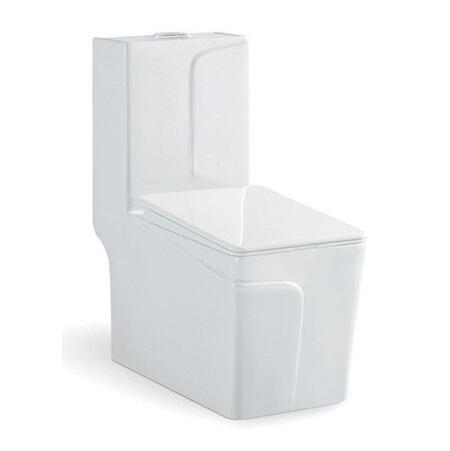
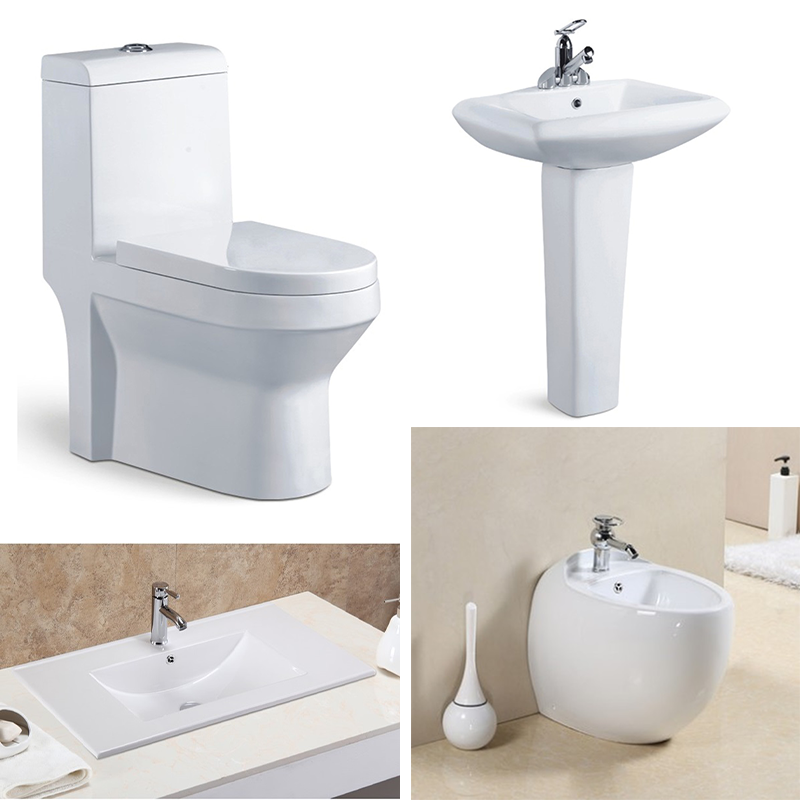
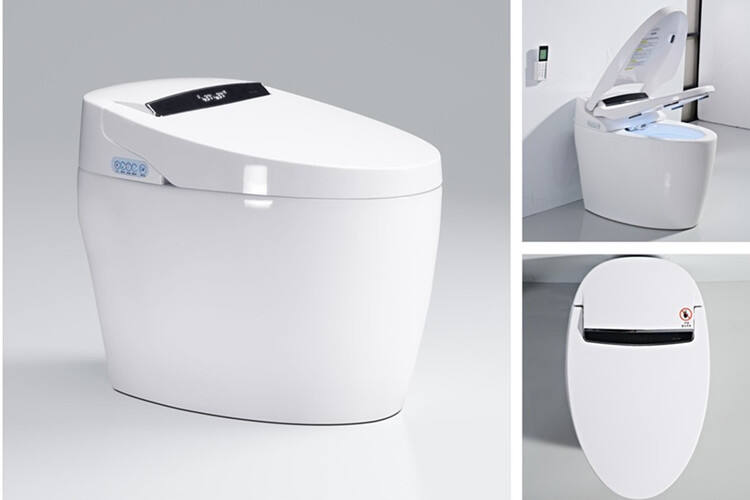
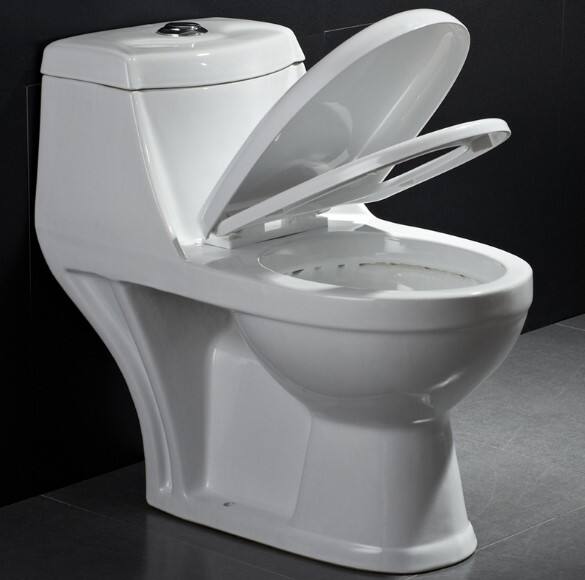
The ergonomic design philosophy underlying modern western toilet construction prioritizes user comfort and accessibility across diverse demographic groups and physical capabilities. The standard seat height of 16-19 inches from floor level represents extensive research into optimal positioning for human anatomy, providing natural support that reduces strain on joints, muscles, and the cardiovascular system during use. This elevated positioning eliminates the need for deep squatting, which can be challenging or impossible for individuals with knee problems, hip replacements, arthritis, or other mobility limitations. The contoured seat design distributes body weight evenly, preventing pressure points that could cause discomfort during extended use. Advanced western toilet models feature adjustable height mechanisms that accommodate users of varying statures, from children to exceptionally tall adults, ensuring optimal positioning for everyone. The seat and bowl geometry follow scientific principles of human ergonomics, with carefully calculated angles that promote proper posture and facilitate natural bodily functions. Comfort-height western toilet options, standing 17-19 inches tall, comply with Americans with Disabilities Act guidelines, making bathrooms more accessible for wheelchair users and individuals requiring mobility assistance. The smooth, rounded edges eliminate sharp corners that could cause injury, while textured surfaces provide secure grip areas for users who require additional stability. Temperature-regulated seats available in premium western toilet models maintain comfortable surface temperatures, enhancing user experience particularly in cold climates or seasons. The spacious bowl design accommodates different body types comfortably, while elongated bowl options provide additional seating area for enhanced comfort. Soft-close lid mechanisms prevent sudden impacts and reduce noise levels, contributing to a more pleasant bathroom environment. This comprehensive approach to ergonomic design ensures that the western toilet serves users effectively throughout their lifetime, adapting to changing physical needs while maintaining dignity and independence in personal care routines.
 EN
EN
 AR
AR BG
BG NL
NL FI
FI FR
FR DE
DE EL
EL IT
IT NO
NO PL
PL PT
PT RO
RO RU
RU ES
ES SV
SV TL
TL LV
LV LT
LT SR
SR UK
UK VI
VI SQ
SQ HU
HU MT
MT TH
TH AF
AF MS
MS KA
KA