the toilet
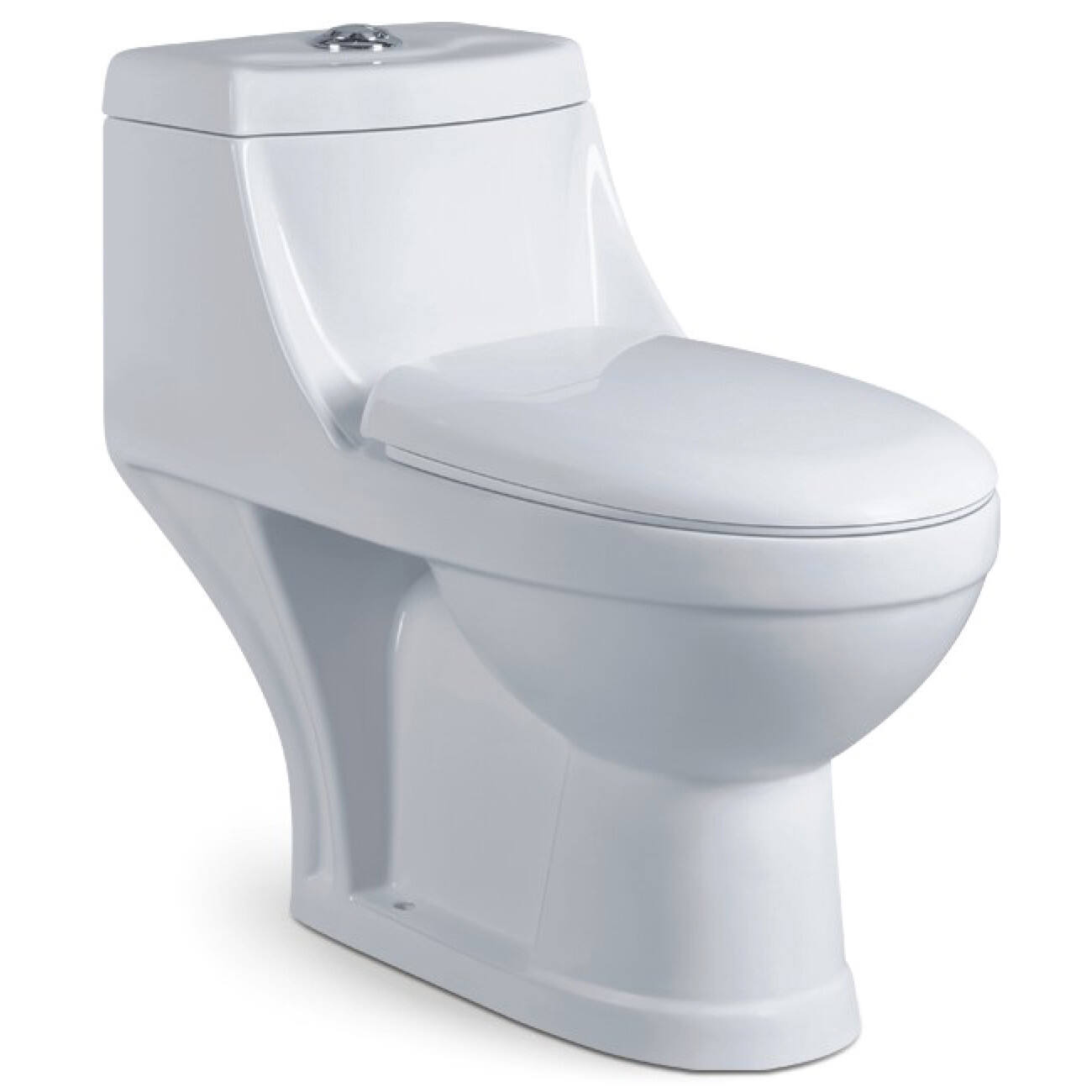
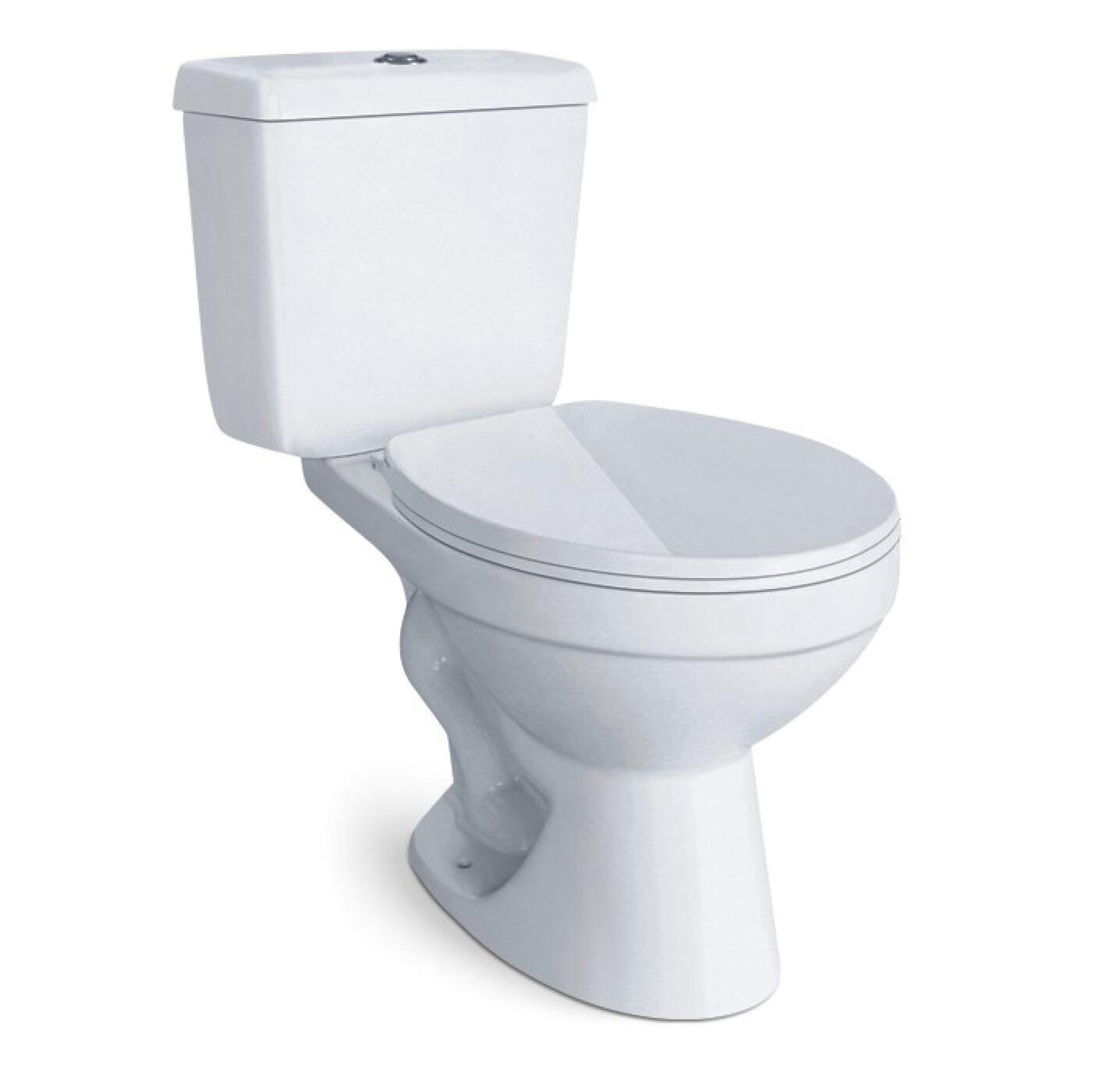
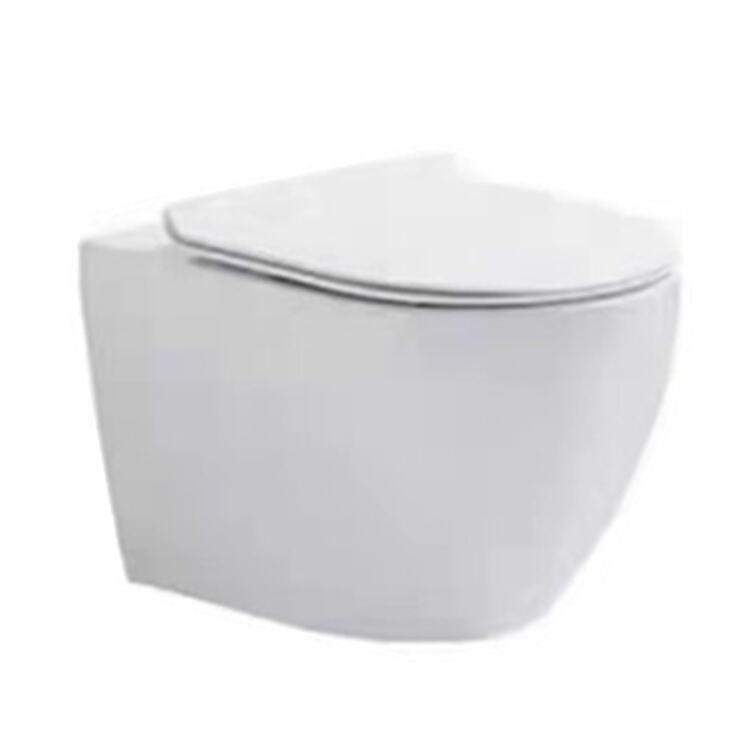
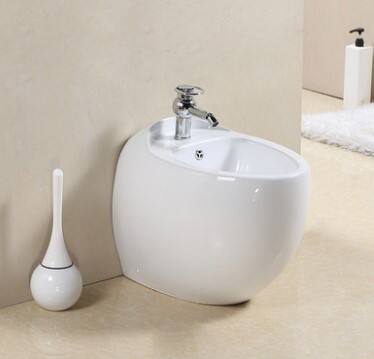
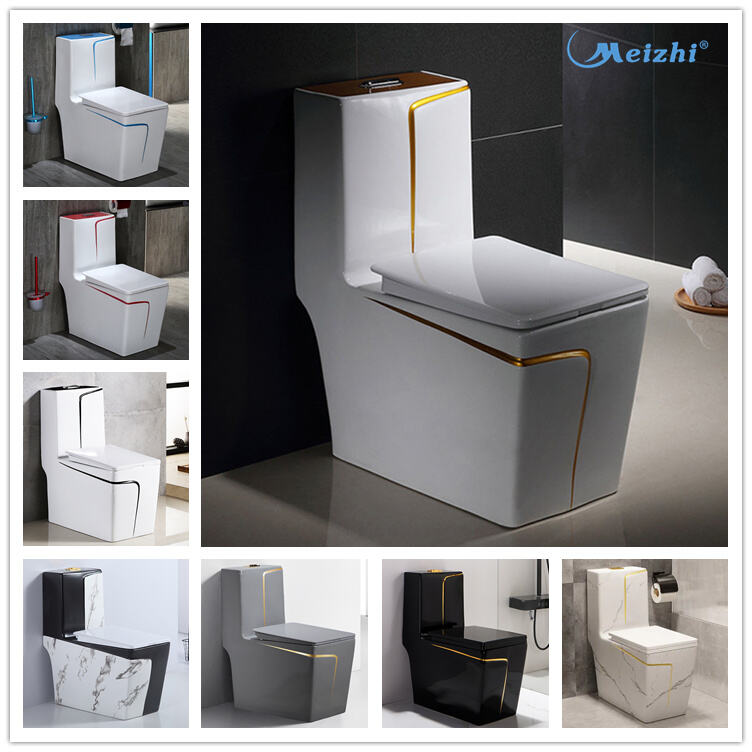
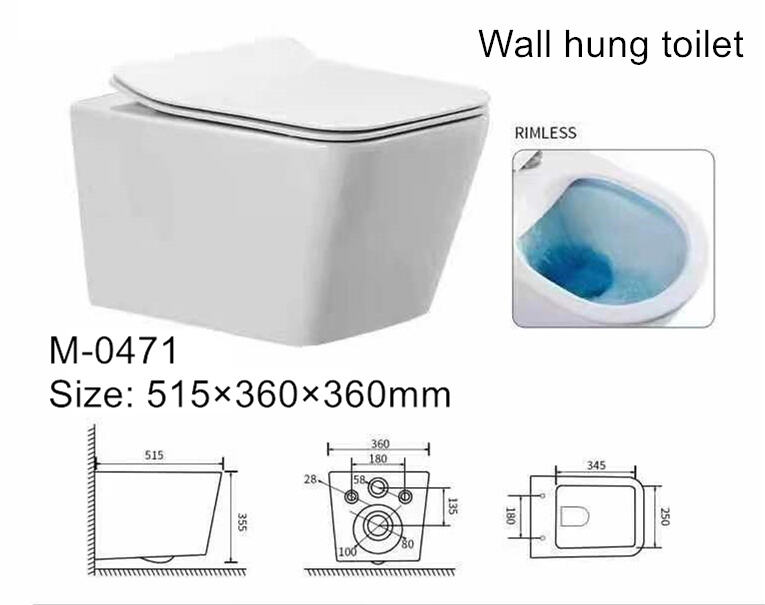
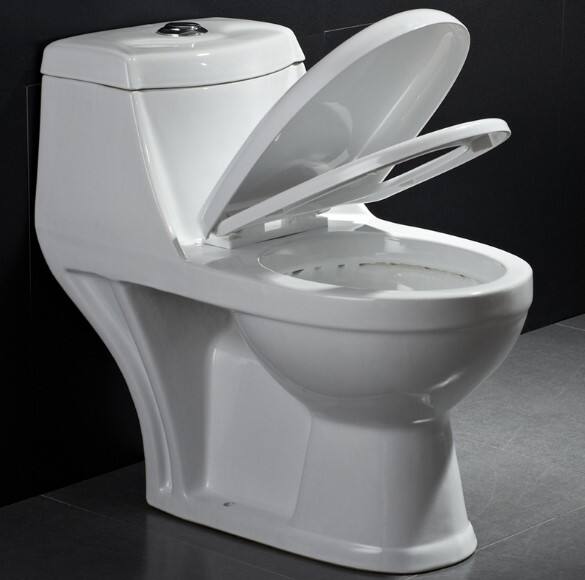
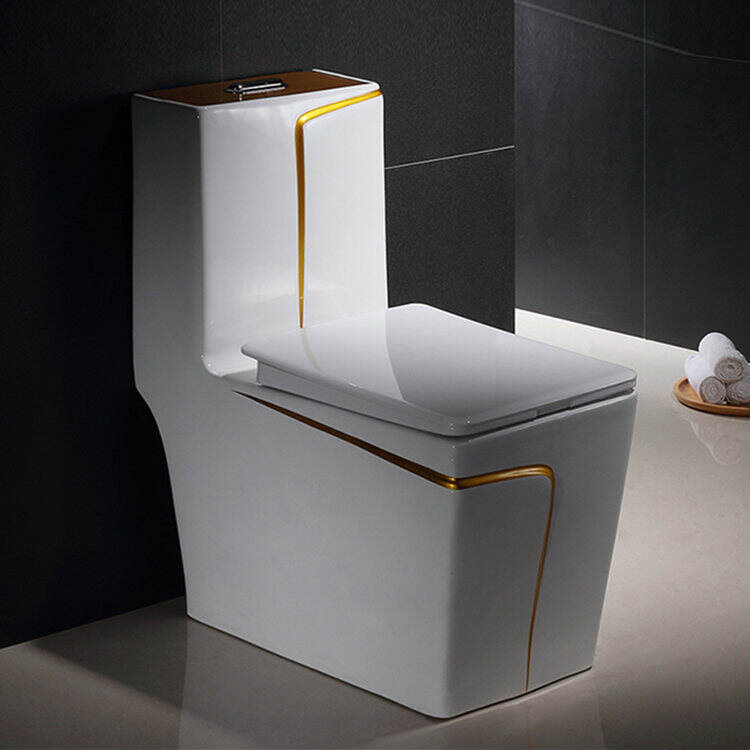
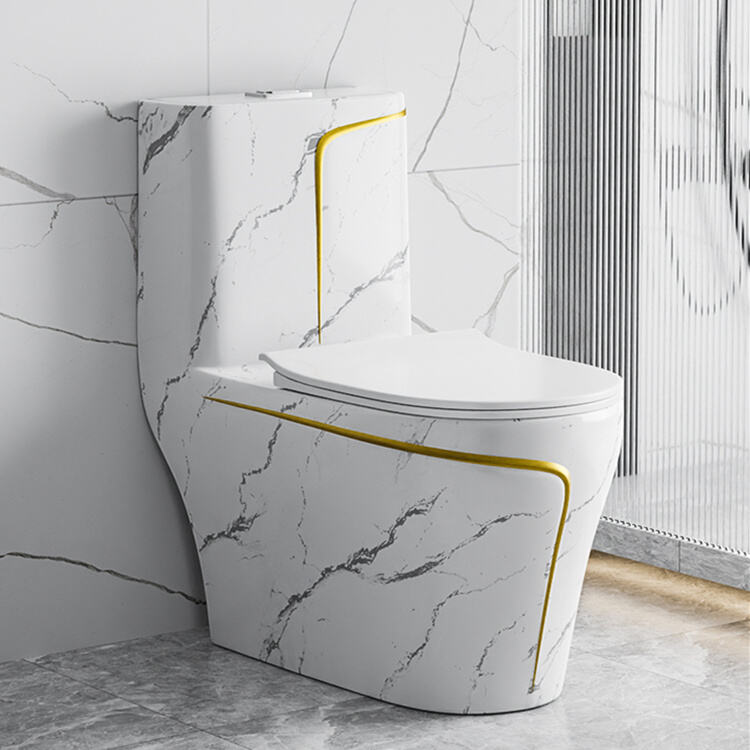
The toilet stands as one of humanity's most essential innovations, fundamentally transforming public health and sanitation across civilizations. This remarkable fixture serves as the primary waste disposal system in modern homes, commercial buildings, and public facilities worldwide. The toilet operates through a sophisticated yet simple mechanism that efficiently removes human waste while maintaining hygienic conditions. Modern toilets incorporate advanced engineering principles to maximize water efficiency, minimize maintenance requirements, and enhance user comfort. The basic functionality revolves around a gravity-fed or pressure-assisted flushing system that transports waste through connected plumbing networks to treatment facilities. Contemporary toilet designs feature dual-flush mechanisms, allowing users to select appropriate water volumes based on waste type, significantly reducing household water consumption. Smart toilet technologies have revolutionized traditional bathroom experiences by integrating electronic controls, heated seats, automatic lid operations, and built-in bidets. These technological advancements demonstrate how the toilet continues evolving to meet changing consumer expectations and environmental standards. The toilet's applications extend beyond residential use into commercial, institutional, and industrial settings, each requiring specific design considerations for durability, accessibility, and maintenance efficiency. Water-saving technologies like low-flow mechanisms and pressure-assisted systems help reduce environmental impact while maintaining optimal performance standards. The toilet's ergonomic design considerations ensure accessibility for users with varying mobility needs, incorporating features like comfort height installations and grab bar compatibility. Modern manufacturing processes utilize high-quality ceramics, advanced glazing techniques, and precision engineering to create durable, stain-resistant surfaces that withstand decades of regular use. The toilet represents a critical component in sustainable building practices, contributing to LEED certification requirements and green building standards through water conservation technologies and environmentally responsible manufacturing processes.

 EN
EN
 AR
AR BG
BG NL
NL FI
FI FR
FR DE
DE EL
EL IT
IT NO
NO PL
PL PT
PT RO
RO RU
RU ES
ES SV
SV TL
TL LV
LV LT
LT SR
SR UK
UK VI
VI SQ
SQ HU
HU MT
MT TH
TH AF
AF MS
MS KA
KA