smart mirror glass
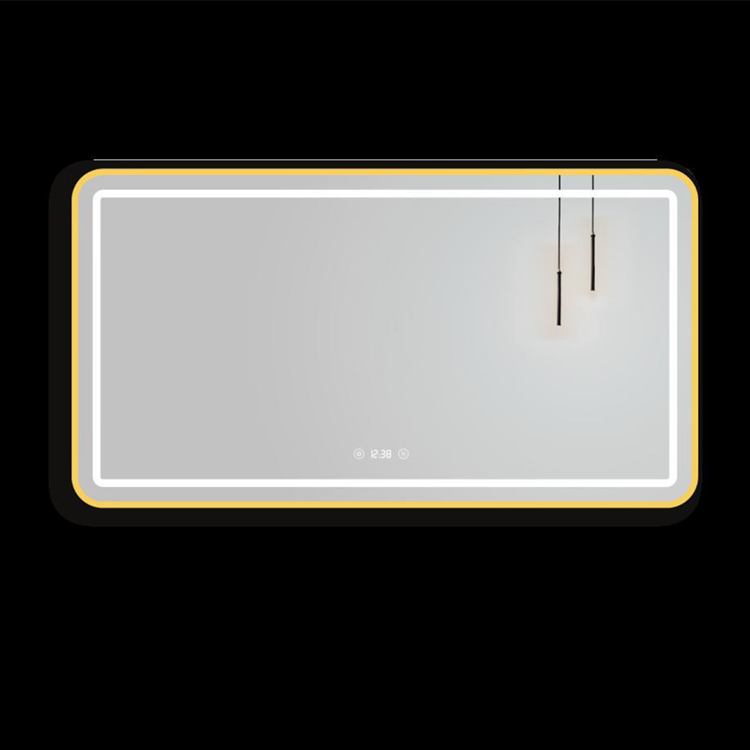
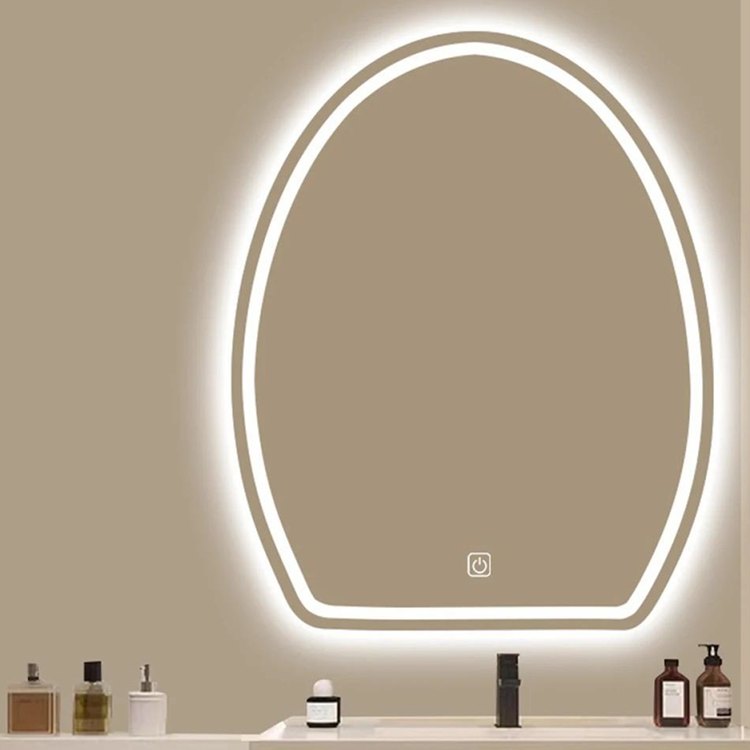
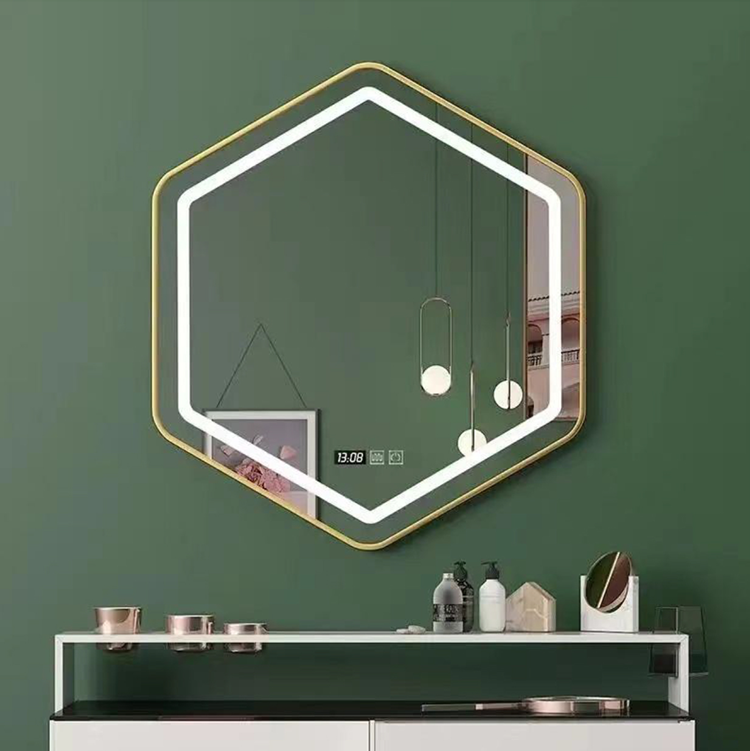
Smart mirror glass represents a revolutionary fusion of traditional reflective surfaces with cutting-edge digital technology, transforming everyday mirrors into interactive information hubs. This innovative product combines a high-quality mirror with an embedded display system, creating a seamless integration that maintains the mirror's primary function while adding sophisticated digital capabilities. The smart mirror glass utilizes advanced LCD or LED technology positioned behind a two-way mirror surface, allowing users to see both their reflection and digital content simultaneously. The technological foundation relies on sophisticated sensors, including motion detectors, proximity sensors, and sometimes facial recognition systems, which enable intuitive user interaction without physical contact. These mirrors connect to Wi-Fi networks, enabling real-time data synchronization and cloud-based services. The display technology ensures optimal visibility while preserving the mirror's reflective properties, using specialized coatings and brightness adjustments that adapt to ambient lighting conditions. Smart mirror glass applications span numerous sectors, from residential bathrooms and bedrooms to commercial spaces like hotels, retail stores, and fitness centers. In residential settings, users can access weather forecasts, news updates, calendar appointments, and social media notifications while preparing for their day. The technology supports voice commands, gesture control, and touch interfaces, making it accessible for users of all ages. Commercial applications include advertising displays in retail environments, information kiosks in hospitality venues, and interactive displays in healthcare facilities. The manufacturing process involves precision engineering to ensure durability, water resistance, and long-term reliability, making smart mirror glass suitable for high-humidity environments like bathrooms. Advanced models incorporate artificial intelligence for personalized content delivery, learning user preferences and scheduling patterns to provide relevant information at optimal times. The integration capabilities extend to smart home ecosystems, allowing control of lighting, temperature, and security systems directly through the mirror interface.
 EN
EN
 AR
AR BG
BG NL
NL FI
FI FR
FR DE
DE EL
EL IT
IT NO
NO PL
PL PT
PT RO
RO RU
RU ES
ES SV
SV TL
TL LV
LV LT
LT SR
SR UK
UK VI
VI SQ
SQ HU
HU MT
MT TH
TH AF
AF MS
MS KA
KA