Versatile Installation Flexibility
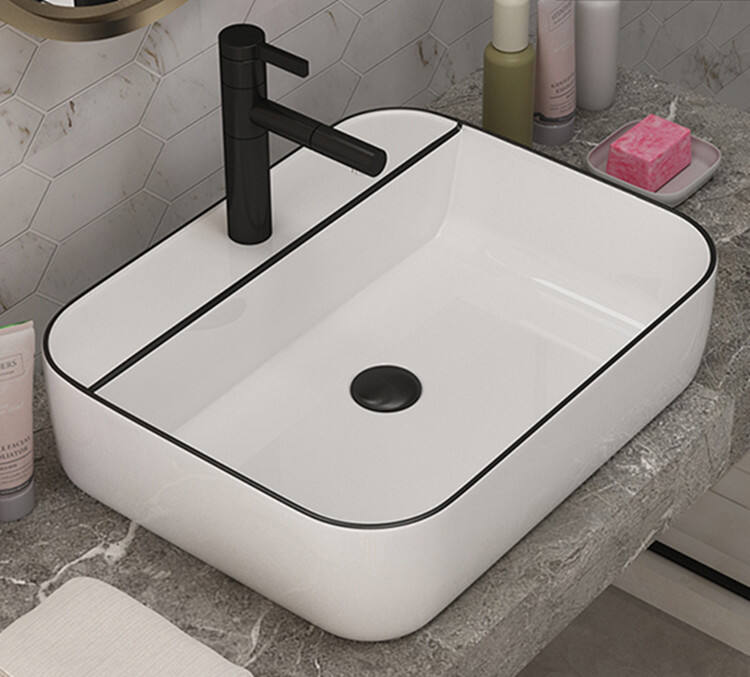
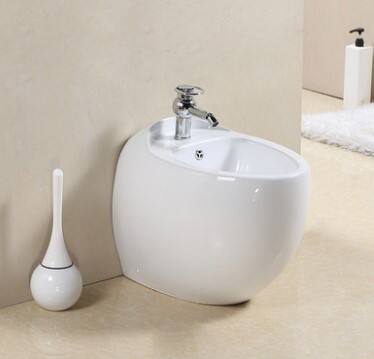
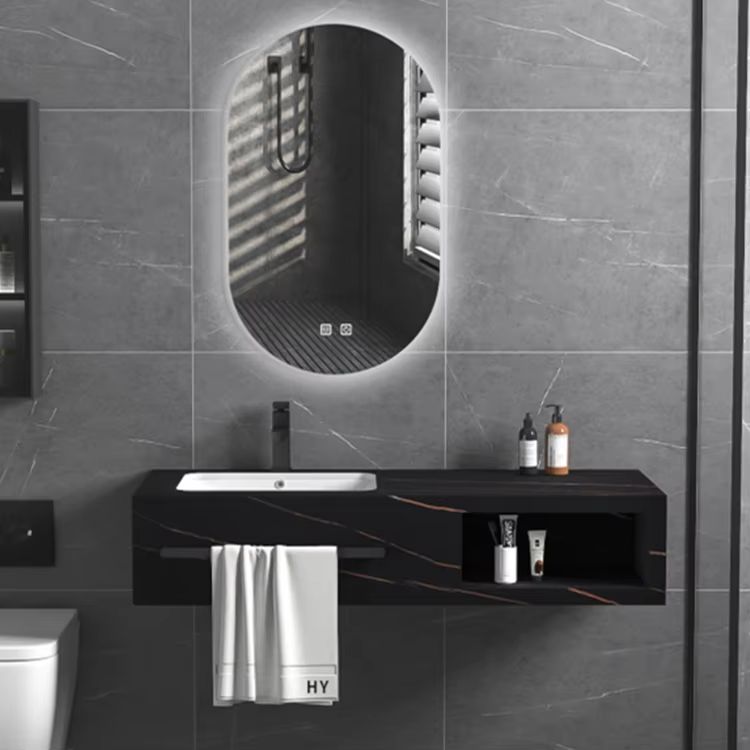
The versatile installation flexibility of small sink systems opens unprecedented possibilities for creative space utilization and functional design solutions. This adaptability stems from innovative mounting technologies and modular components that accommodate virtually any spatial constraint or aesthetic preference. The universal mounting system works with multiple wall types, including drywall, concrete, tile, and composite materials, eliminating the need for specialized installation techniques or extensive structural modifications. The reduced weight and compact dimensions allow for installations in locations previously considered unsuitable for plumbing fixtures, such as under stairs, in closets, or within custom cabinetry. Flexible plumbing connections accommodate various supply line configurations, whether coming from walls, floors, or adjacent rooms, providing solutions for challenging renovation scenarios. The modular approach to installation enables customization of height, angle, and positioning to suit specific user needs or accessibility requirements. Commercial applications benefit enormously from this flexibility, allowing facility managers to add hygiene stations in break rooms, workshops, or service areas without major construction projects. The plug-and-play installation philosophy means reduced labor costs and minimized disruption during retrofit projects, making small sink additions economically viable for a wide range of applications. Portable and semi-permanent installation options serve temporary facilities, construction sites, and seasonal businesses that require functional washing facilities without permanent commitments. The installation flexibility extends to utility connections, with options for standard plumbing, self-contained systems, or hybrid approaches that maximize installation possibilities. Aesthetic integration capabilities ensure that small sink installations complement existing design themes rather than appearing as afterthoughts or compromises. The modular nature allows for future relocations or modifications without extensive renovation work, providing long-term adaptability as needs change. Educational and healthcare facilities particularly benefit from this flexibility, enabling the addition of hygiene stations in classrooms, patient rooms, or specialized areas without disrupting existing operations or requiring extensive downtime for installation.

 EN
EN
 AR
AR BG
BG NL
NL FI
FI FR
FR DE
DE EL
EL IT
IT NO
NO PL
PL PT
PT RO
RO RU
RU ES
ES SV
SV TL
TL LV
LV LT
LT SR
SR UK
UK VI
VI SQ
SQ HU
HU MT
MT TH
TH AF
AF MS
MS KA
KA