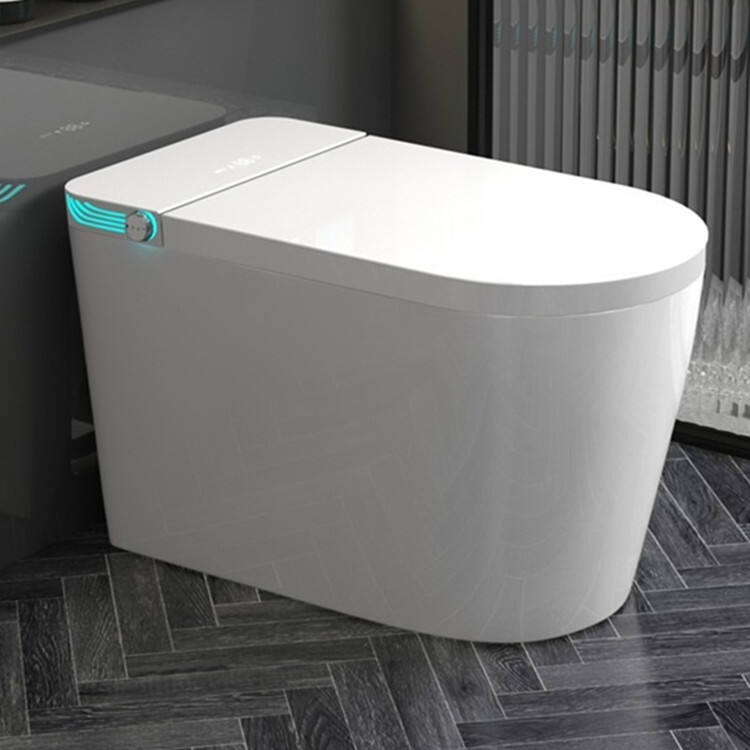
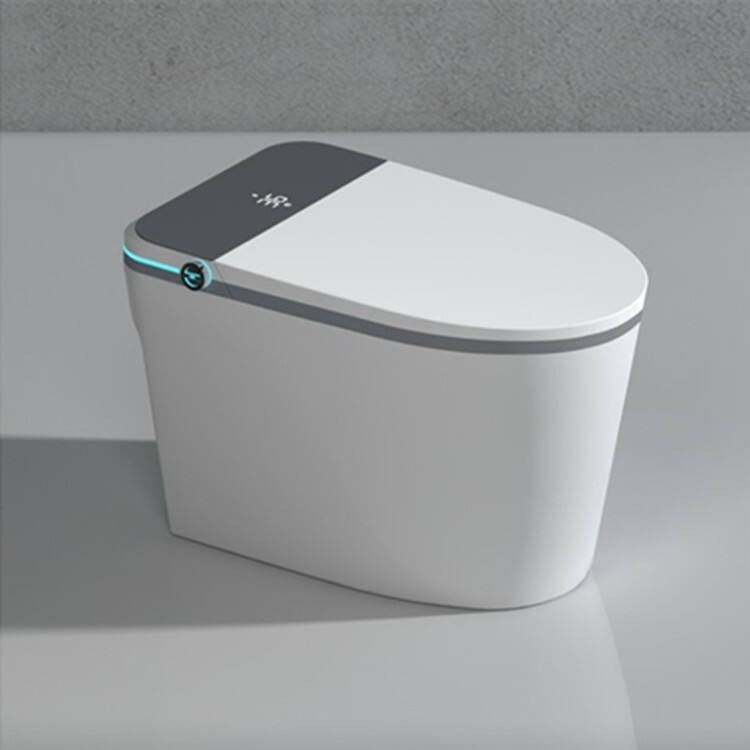
remote control toilet flush
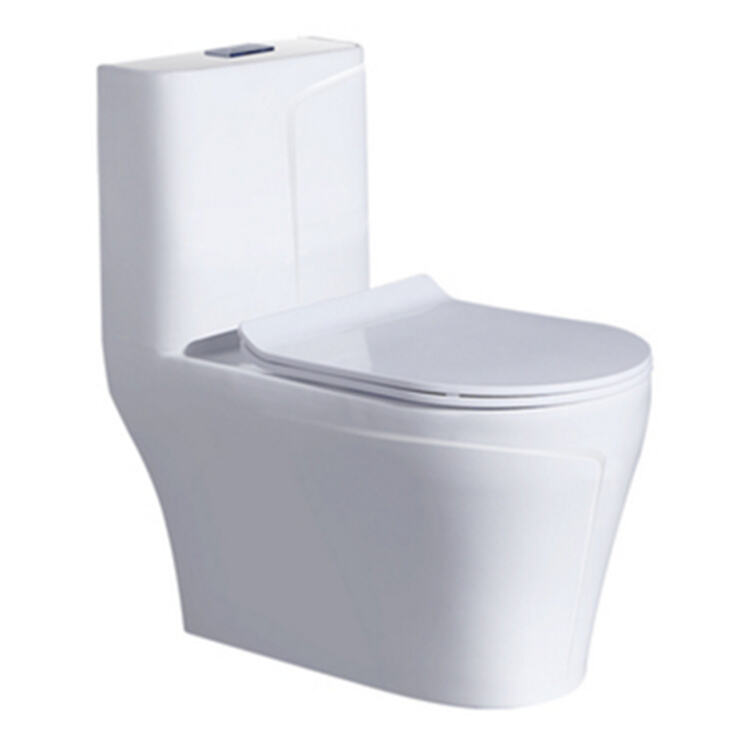
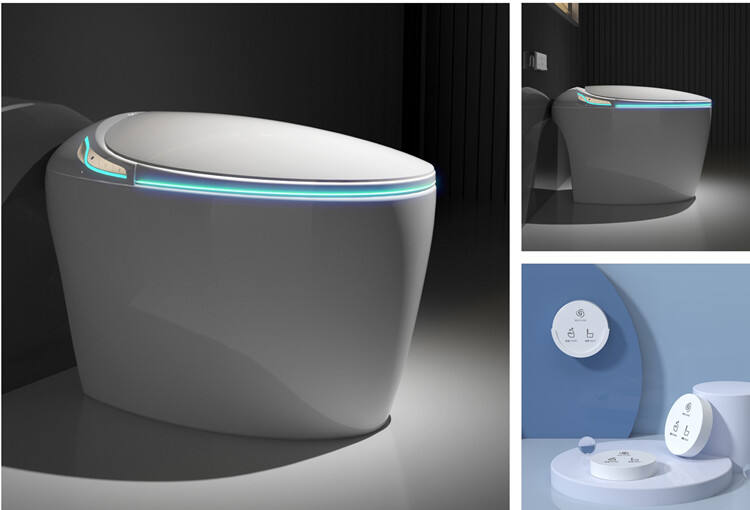
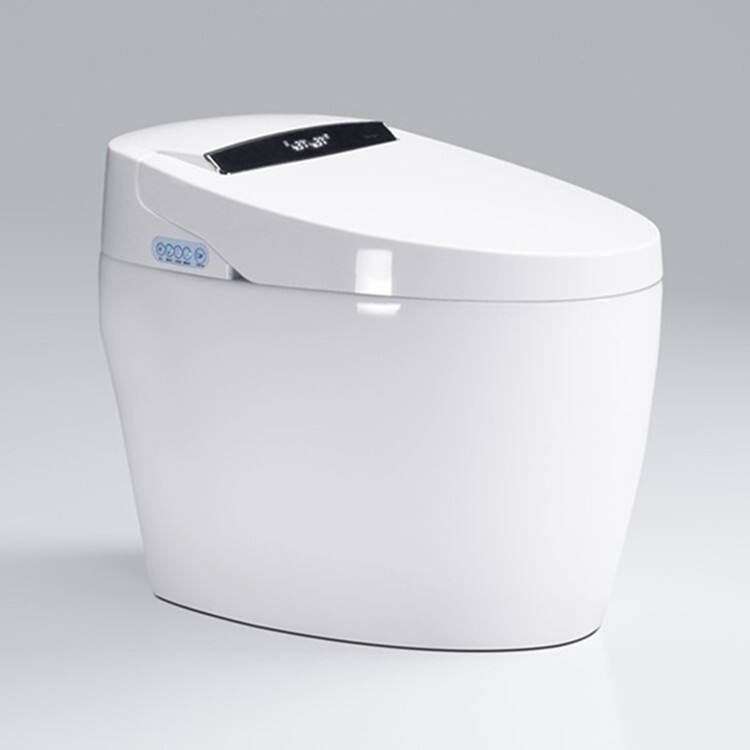
The remote control toilet flush represents a significant advancement in modern bathroom technology, transforming the traditional toilet experience through intelligent automation and user-friendly design. This innovative system allows users to operate their toilet's flushing mechanism from a distance using a handheld remote control device, eliminating the need for physical contact with traditional flush handles or buttons. The remote control toilet flush system typically operates through wireless technology, utilizing radio frequency or infrared signals to communicate between the remote device and the toilet's internal flushing mechanism. The primary function centers around providing convenient, hygienic, and accessible toilet operation for users of all ages and physical abilities. The technological features of remote control toilet flush systems include programmable flush settings that allow users to customize water volume and pressure according to their specific needs. Many models incorporate dual-flush technology, enabling users to select between full flush and eco-friendly half flush options directly from the remote control. Advanced units feature LED indicators that display battery life, signal strength, and operational status. The wireless range typically extends between 10 to 30 feet, providing flexibility for users with mobility challenges or those who prefer maintaining distance from the toilet mechanism. Applications for remote control toilet flush systems span residential, commercial, and healthcare environments. In homes, these systems prove particularly valuable for elderly residents, individuals with mobility limitations, or families seeking enhanced bathroom hygiene. Commercial applications include hotels, restaurants, and office buildings where touchless operation promotes cleanliness and reduces maintenance requirements. Healthcare facilities benefit significantly from remote control toilet flush technology, as it minimizes cross-contamination risks and supports infection control protocols. The system's compatibility with existing toilet infrastructure makes installation straightforward, requiring minimal modifications to current plumbing arrangements while delivering substantial functional improvements.
 EN
EN
 AR
AR BG
BG NL
NL FI
FI FR
FR DE
DE EL
EL IT
IT NO
NO PL
PL PT
PT RO
RO RU
RU ES
ES SV
SV TL
TL LV
LV LT
LT SR
SR UK
UK VI
VI SQ
SQ HU
HU MT
MT TH
TH AF
AF MS
MS KA
KA