Eco-Friendly Design with Long-Term Cost Savings and Sustainability
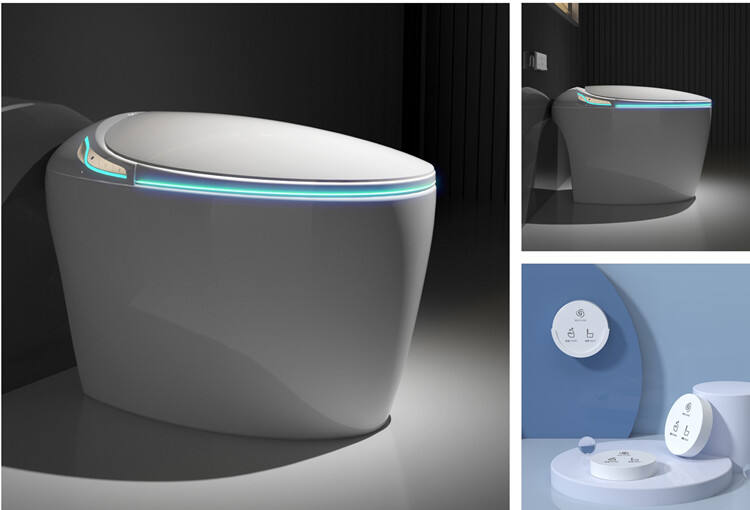
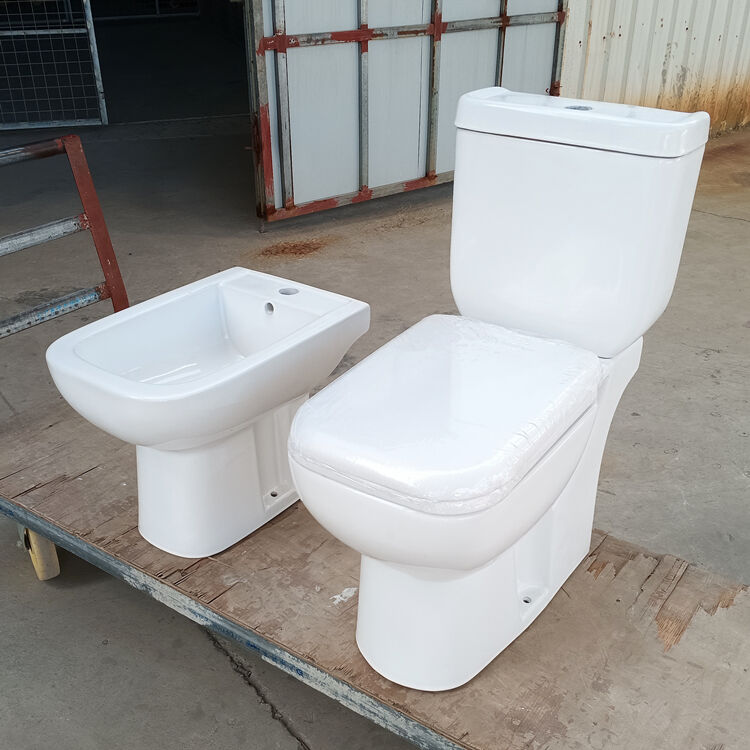
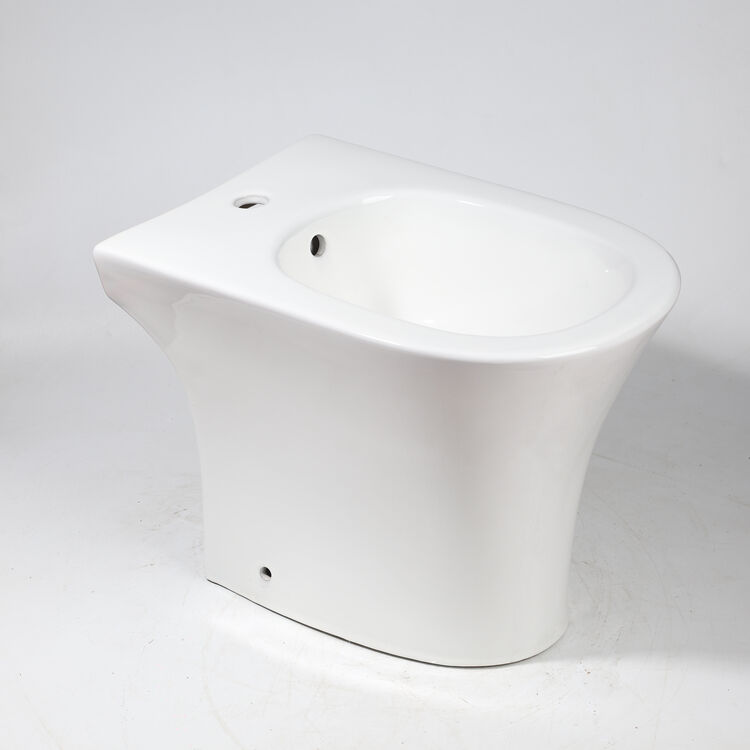
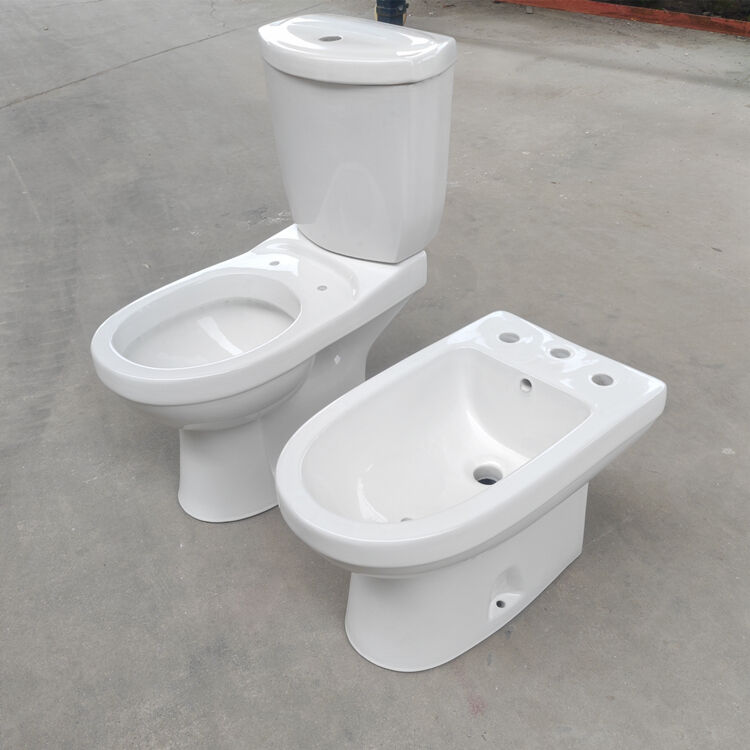
The environmental impact and economic benefits of hot cold bidet systems create compelling arguments for adoption among environmentally conscious consumers and budget-minded households seeking long-term value propositions. Toilet paper production requires extensive forest resources, chemical processing, and transportation networks that contribute significantly to environmental degradation, making hot cold bidet adoption a direct contribution to conservation efforts and reduced carbon footprint impact. The average household using hot cold bidet technology reduces toilet paper consumption by up to eighty percent, translating to substantial annual savings while supporting sustainable living practices that benefit global environmental preservation efforts. Water usage for hot cold bidet systems remains surprisingly minimal, typically consuming less water per use than traditional toilet flushing, especially when considering the reduced need for multiple flush cycles often required to clear toilet paper waste from plumbing systems. The manufacturing sustainability of modern hot cold bidet units emphasizes recyclable materials, energy-efficient production processes, and durable construction designed for decades of reliable service, reducing replacement needs and associated waste generation. Installation versatility allows hot cold bidet integration without major bathroom renovations, preserving existing infrastructure while upgrading hygiene capabilities through efficient retrofit procedures that minimize construction waste and associated environmental disruption. The economic benefits compound over time through eliminated toilet paper expenses, reduced plumbing maintenance costs from fewer blockages, and decreased septic system pumping requirements for homes utilizing private waste management systems. Energy efficiency features incorporated into contemporary hot cold bidet designs include smart heating technology that activates only when needed, programmable settings that optimize power consumption, and standby modes that minimize electricity usage during inactive periods. The durability engineering ensures minimal replacement part requirements while self-cleaning functions reduce chemical cleaning product consumption, further contributing to household chemical reduction goals and environmental protection initiatives. Commercial applications multiply these benefits across larger user populations, creating substantial environmental impact reductions and operational cost savings for businesses, healthcare facilities, and educational institutions implementing hot cold bidet technology as standard hygiene infrastructure.

 EN
EN
 AR
AR BG
BG NL
NL FI
FI FR
FR DE
DE EL
EL IT
IT NO
NO PL
PL PT
PT RO
RO RU
RU ES
ES SV
SV TL
TL LV
LV LT
LT SR
SR UK
UK VI
VI SQ
SQ HU
HU MT
MT TH
TH AF
AF MS
MS KA
KA