Environmental Sustainability and Long-Term Cost Savings
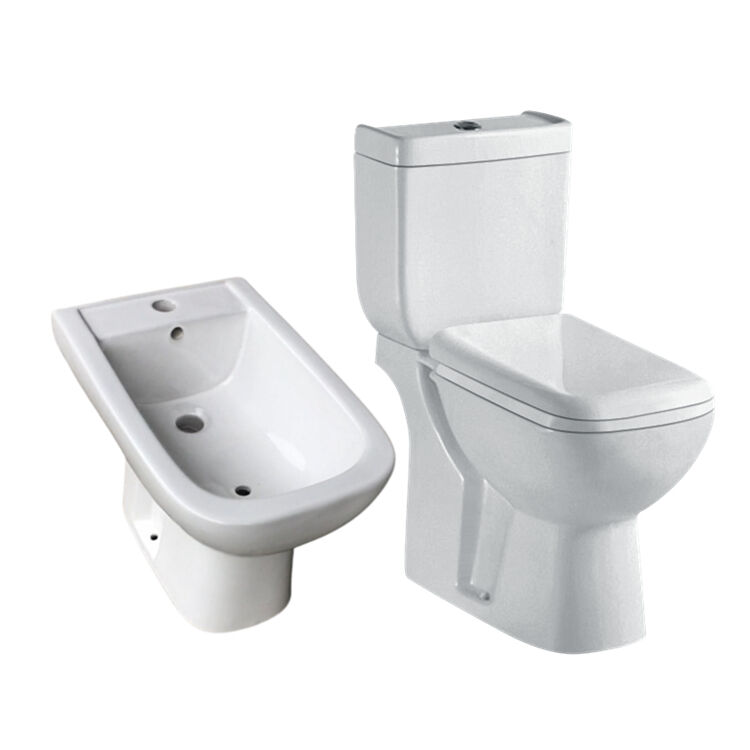
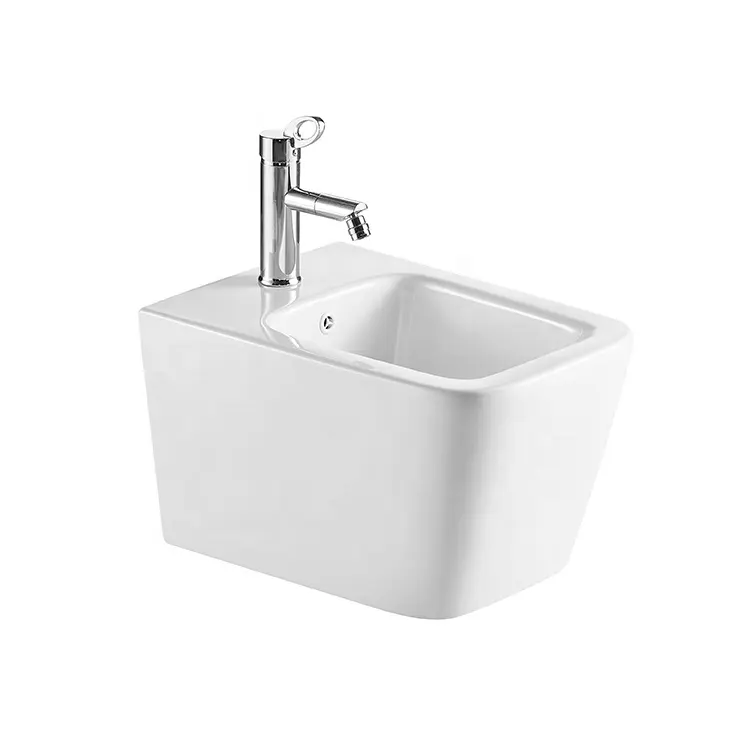
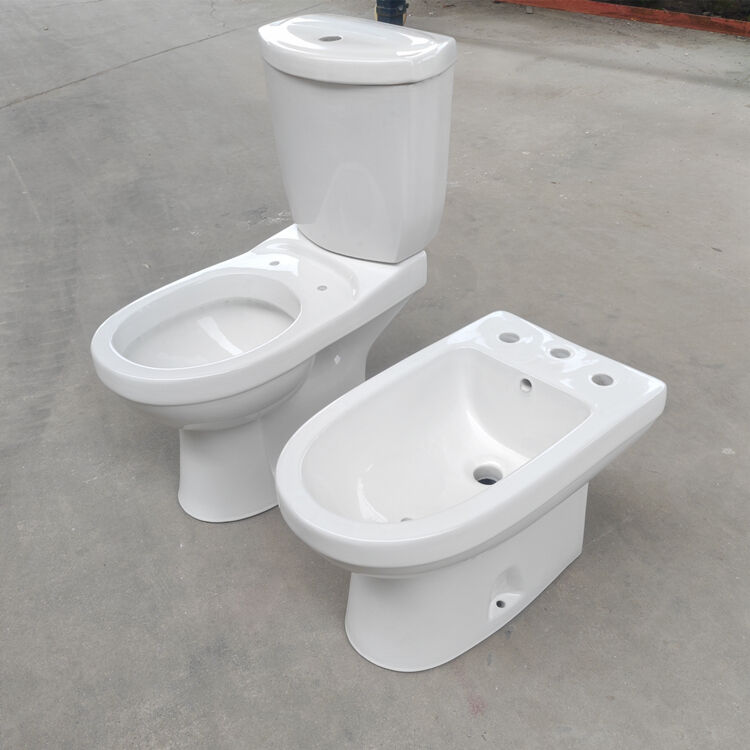
The environmental impact and economic advantages of home bidet installation create compelling arguments for households seeking sustainable lifestyle improvements while reducing long-term bathroom maintenance costs. Environmental benefits begin with dramatic reductions in toilet paper consumption, as typical families decrease paper usage by 75-80 percent after transitioning to regular bidet usage. This reduction translates into substantial environmental savings, considering that toilet paper production requires approximately 37 gallons of water, 1.5 pounds of wood, and significant chemical processing to create just one roll. The home bidet eliminates this resource-intensive production cycle from household consumption patterns, contributing meaningfully to forest conservation and reduced chemical runoff into water systems. Manufacturing toilet paper generates considerable carbon emissions through transportation, processing, and packaging operations that bidet usage directly eliminates from individual environmental footprints. The reduced sewage system burden benefits municipal treatment facilities by decreasing solid waste volumes that require processing, reducing overall infrastructure strain and associated environmental costs. Long-term financial savings accumulate substantially over bidet operational lifespans, with typical households saving $150-300 annually on toilet paper purchases alone. Installation costs recover through these savings within 2-3 years, after which continued savings provide ongoing economic benefits throughout the 10-15 year average lifespan of quality home bidet systems. Reduced plumbing maintenance needs result from decreased solid material entering septic systems and municipal sewer networks, preventing costly blockages and system failures common in heavy toilet paper usage situations. The energy-efficient design of modern home bidet units consumes minimal electricity, typically adding less than $25 annually to household utility bills while delivering substantial comfort and hygiene improvements. Water usage remains surprisingly minimal, with most cleaning cycles consuming less water than single toilet flushes while delivering superior cleansing results. The durable construction materials and reliable electronic components ensure long-term performance with minimal maintenance requirements, contrasting favorably with continual toilet paper replenishment needs. Households with multiple family members experience amplified savings benefits, as increased usage frequency maximizes the cost-per-use advantages of home bidet systems compared to ongoing paper product expenses.
 EN
EN
 AR
AR BG
BG NL
NL FI
FI FR
FR DE
DE EL
EL IT
IT NO
NO PL
PL PT
PT RO
RO RU
RU ES
ES SV
SV TL
TL LV
LV LT
LT SR
SR UK
UK VI
VI SQ
SQ HU
HU MT
MT TH
TH AF
AF MS
MS KA
KA