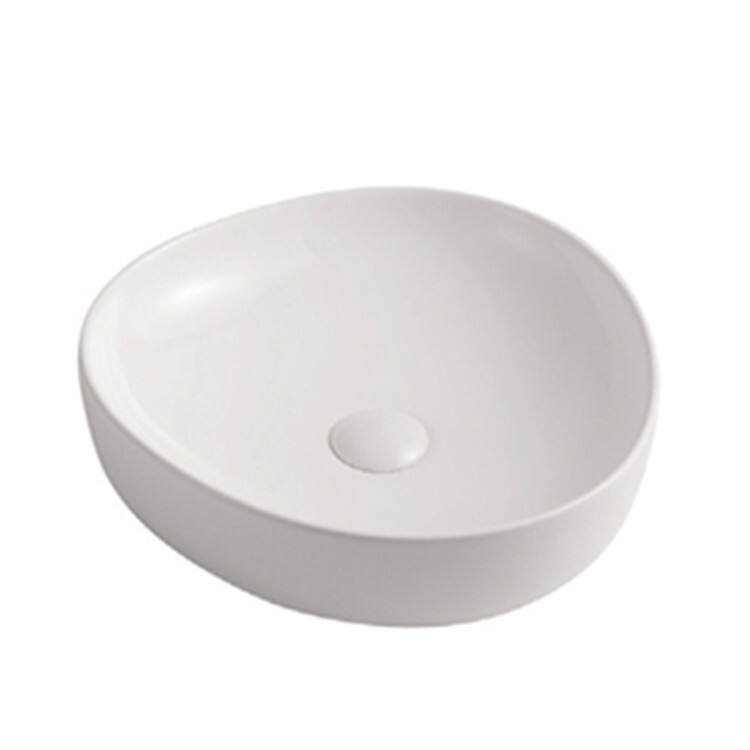
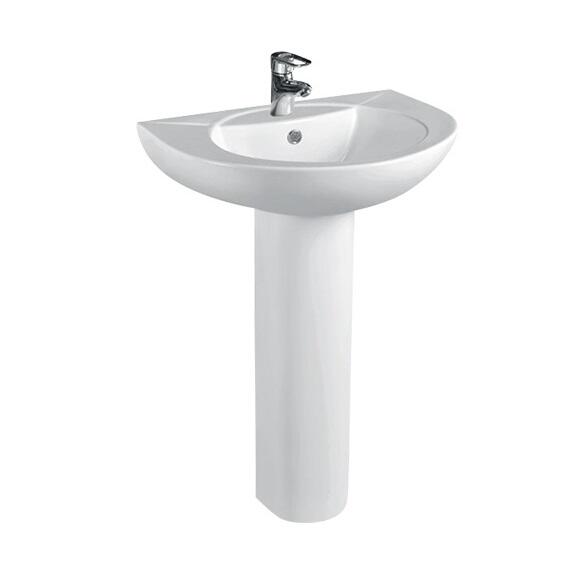
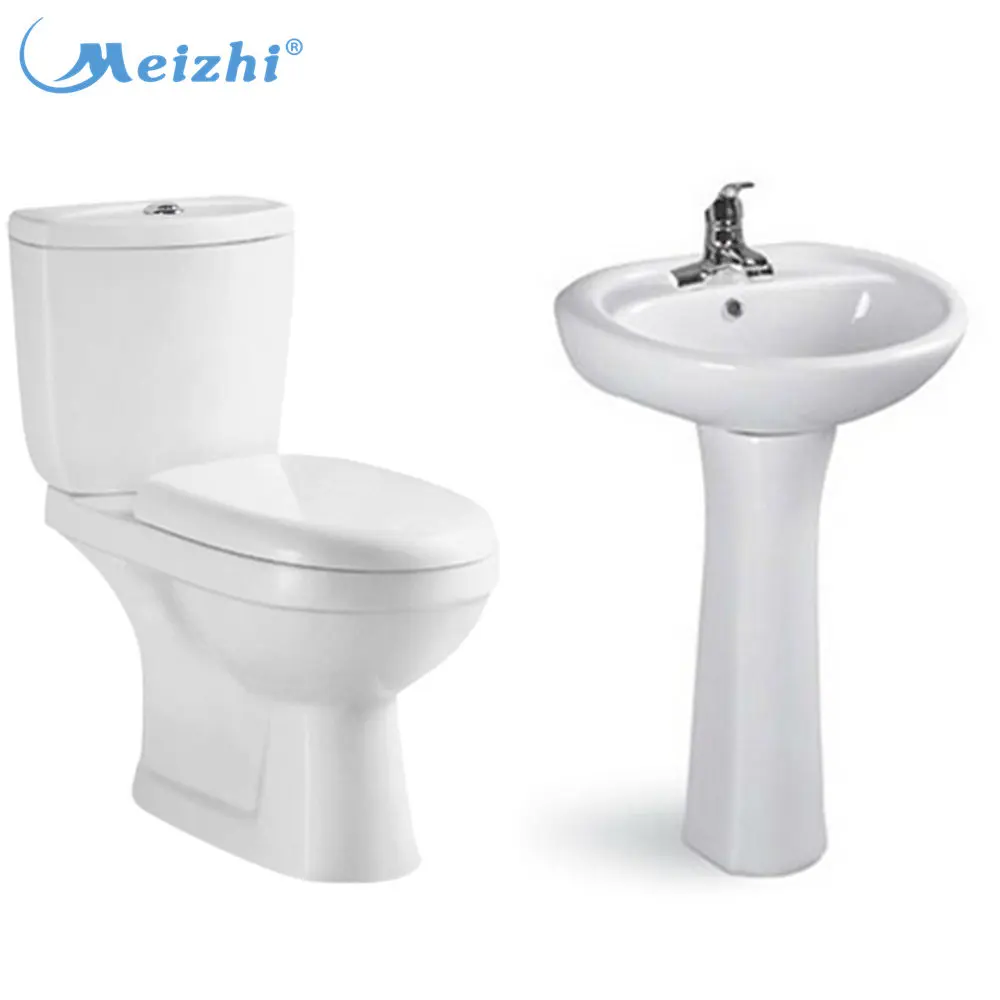
hand wash basin
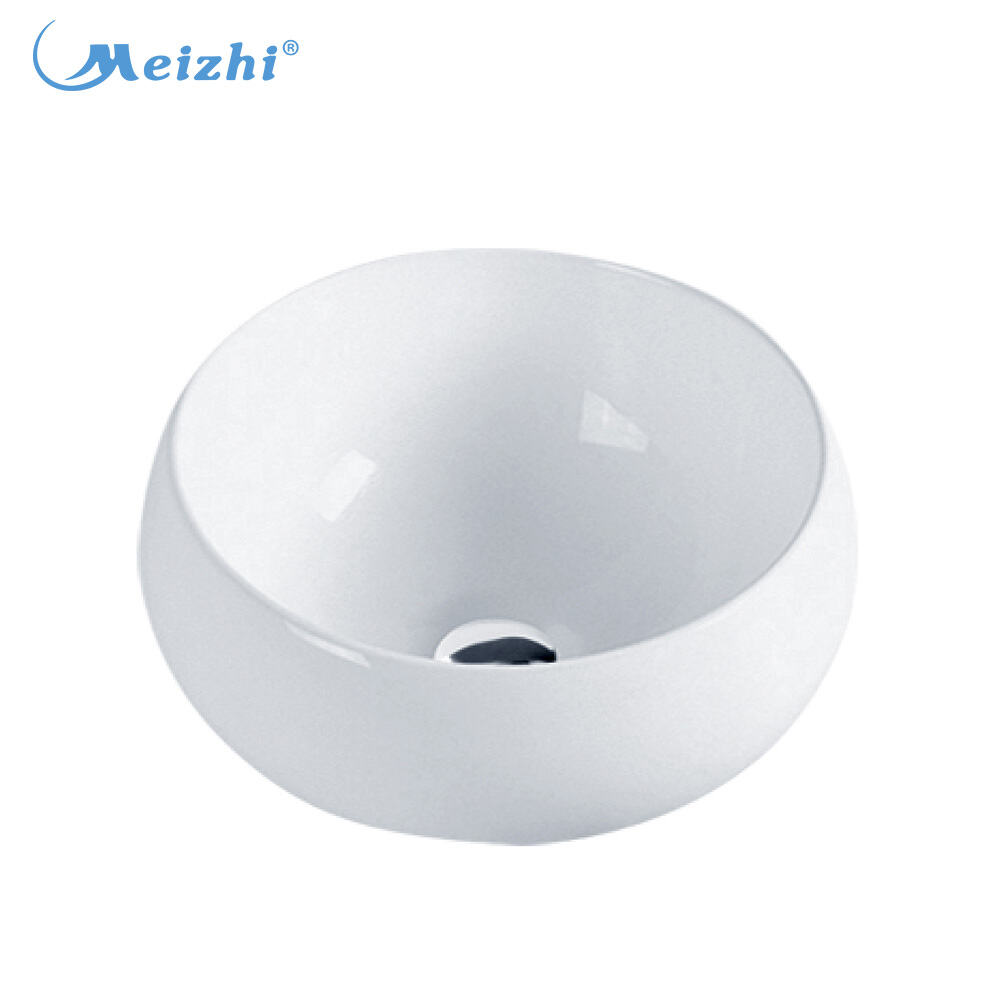
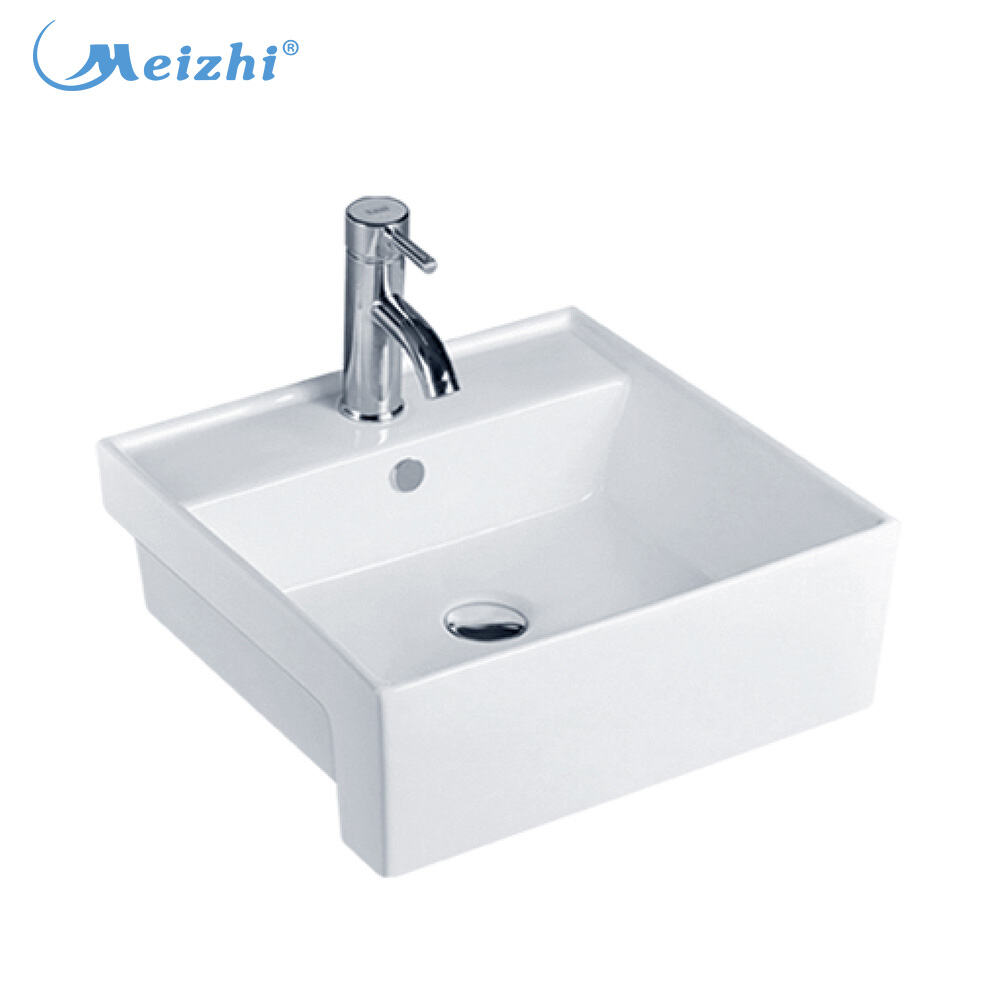
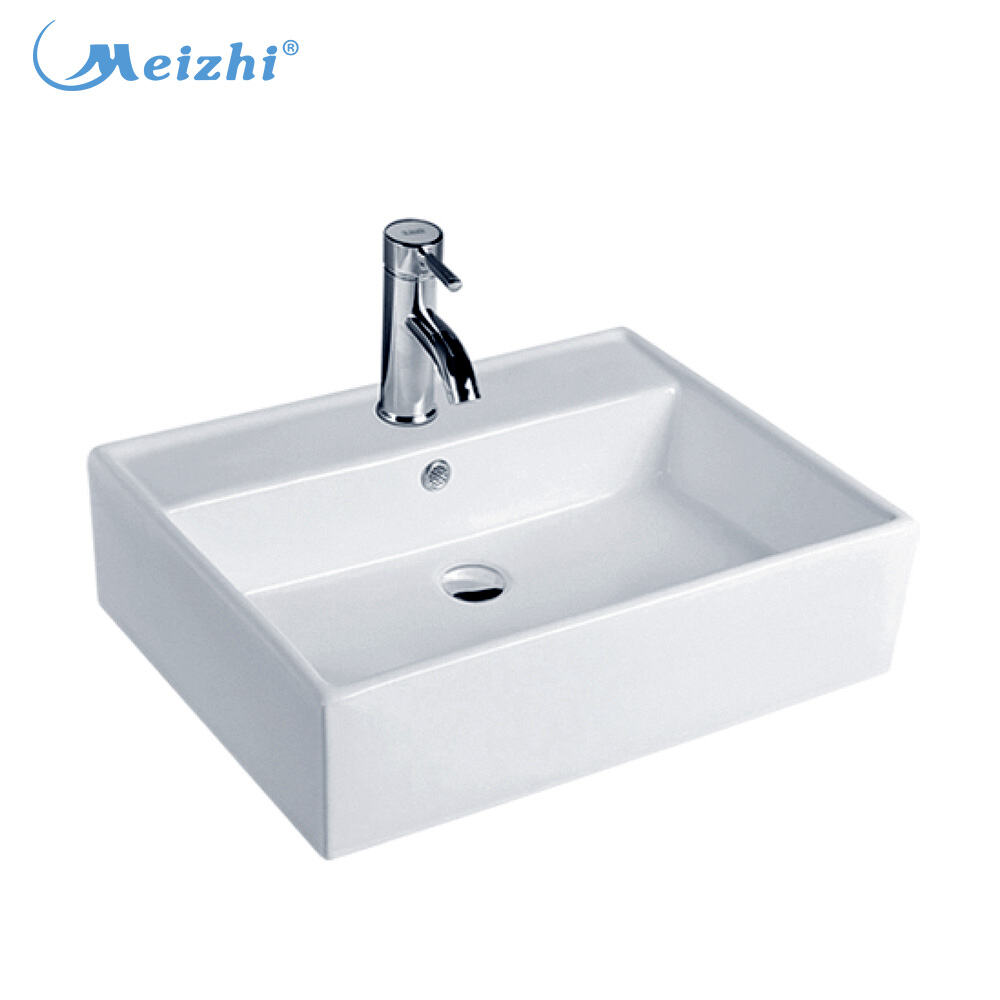
A hand wash basin represents an essential fixture in modern hygiene infrastructure, serving as the primary station for hand cleaning and sanitation across residential, commercial, and institutional settings. This fundamental plumbing component combines functional design with practical engineering to deliver reliable water access for daily hygiene routines. The hand wash basin incorporates a bowl-shaped receptacle connected to water supply lines, featuring drainage systems that efficiently manage wastewater while maintaining cleanliness standards. Contemporary hand wash basin designs integrate advanced materials such as ceramic, stainless steel, or composite materials that resist bacterial growth and ensure long-lasting durability. The technological features of modern hand wash basin units include touchless activation systems, temperature control mechanisms, and water conservation technologies that optimize usage while maintaining effectiveness. Smart sensor technology enables automatic water flow activation, reducing cross-contamination risks and promoting superior hygiene practices. Many hand wash basin models incorporate antimicrobial surface treatments that actively inhibit bacterial proliferation, creating safer environments for users. The applications of hand wash basin installations span diverse sectors including healthcare facilities, educational institutions, food service establishments, office buildings, and residential properties. In medical environments, specialized hand wash basin configurations feature extended faucet designs and hands-free operation to meet stringent infection control protocols. Commercial kitchens utilize heavy-duty hand wash basin systems designed to withstand frequent use while maintaining sanitary conditions. Educational facilities benefit from child-friendly hand wash basin heights and vandal-resistant construction that ensures reliable operation in high-traffic environments. The versatility of hand wash basin solutions allows customization for specific space requirements, user demographics, and regulatory compliance needs, making them indispensable components of comprehensive hygiene management systems.
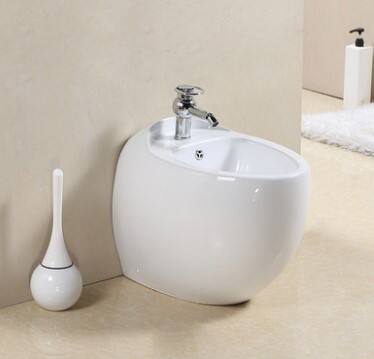

 EN
EN
 AR
AR BG
BG NL
NL FI
FI FR
FR DE
DE EL
EL IT
IT NO
NO PL
PL PT
PT RO
RO RU
RU ES
ES SV
SV TL
TL LV
LV LT
LT SR
SR UK
UK VI
VI SQ
SQ HU
HU MT
MT TH
TH AF
AF MS
MS KA
KA