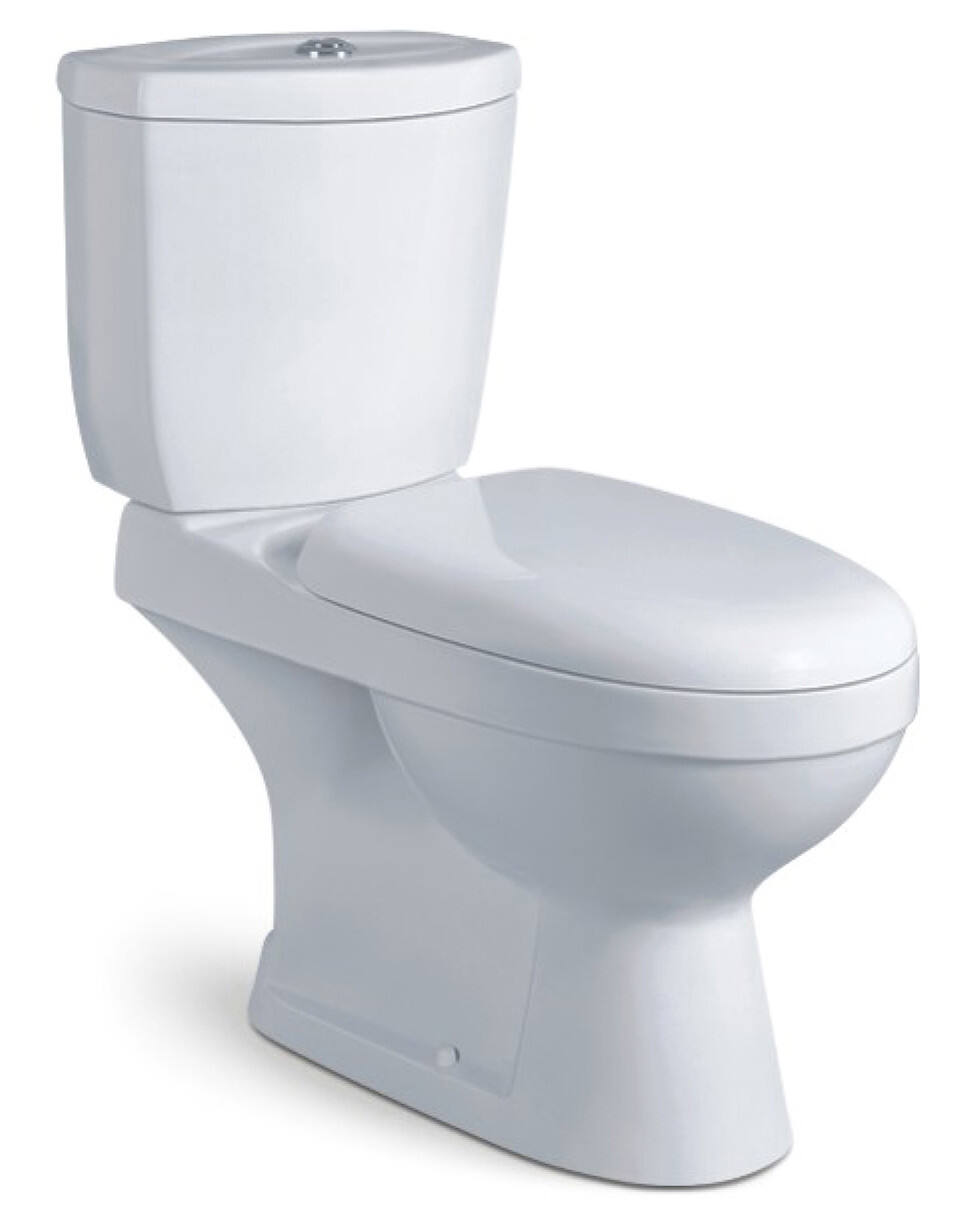
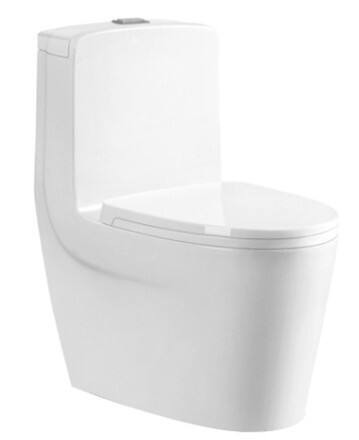
commode seat
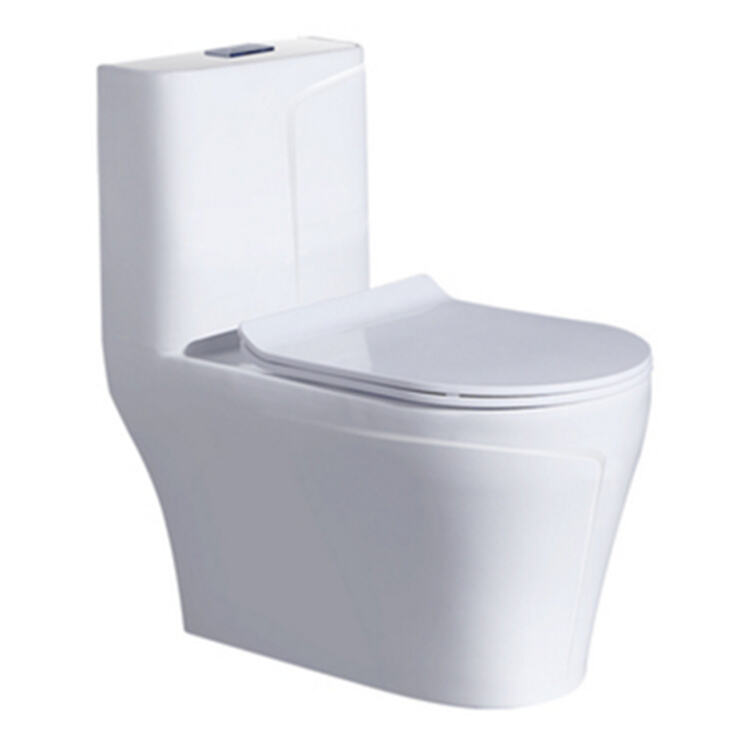
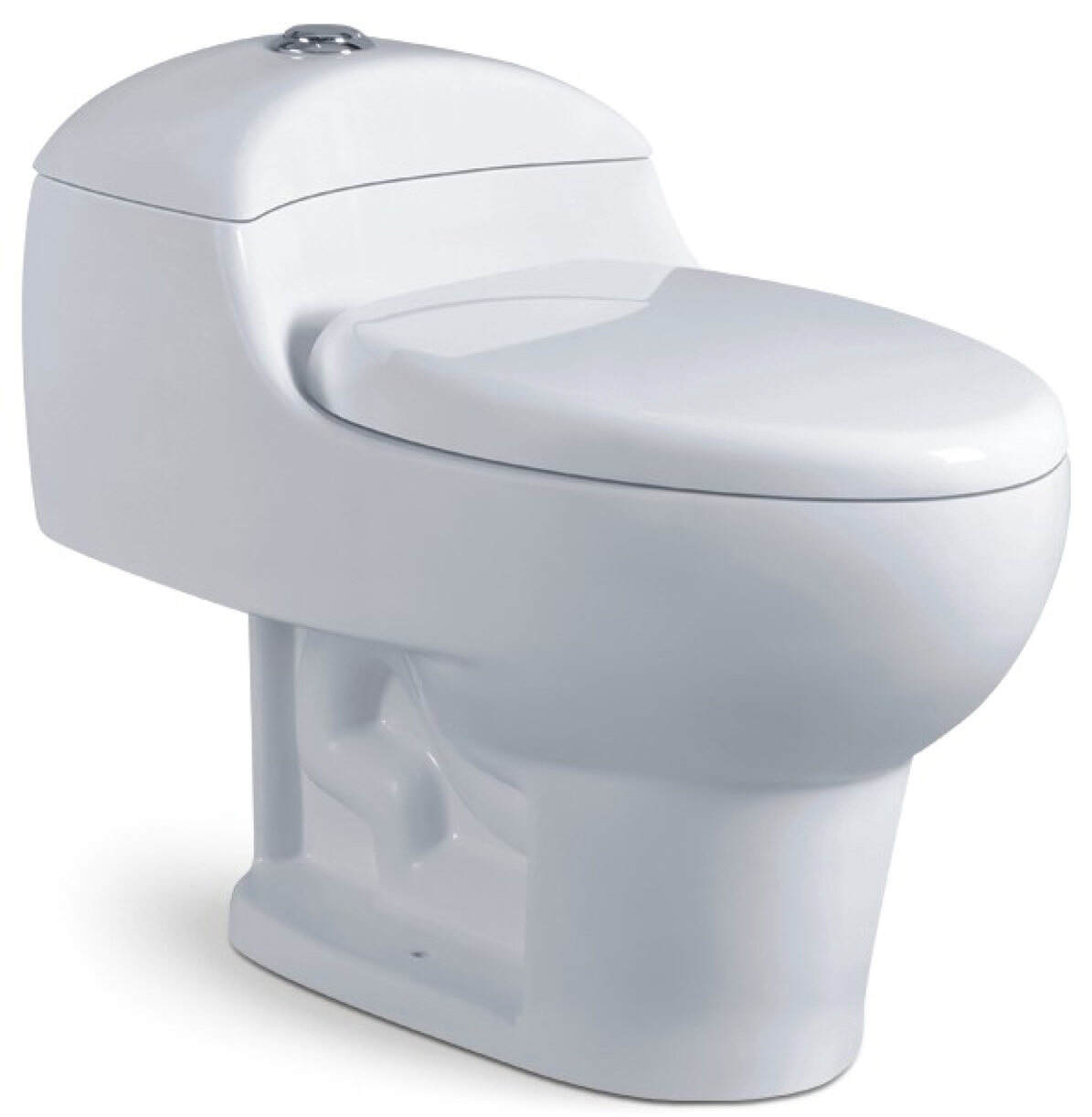
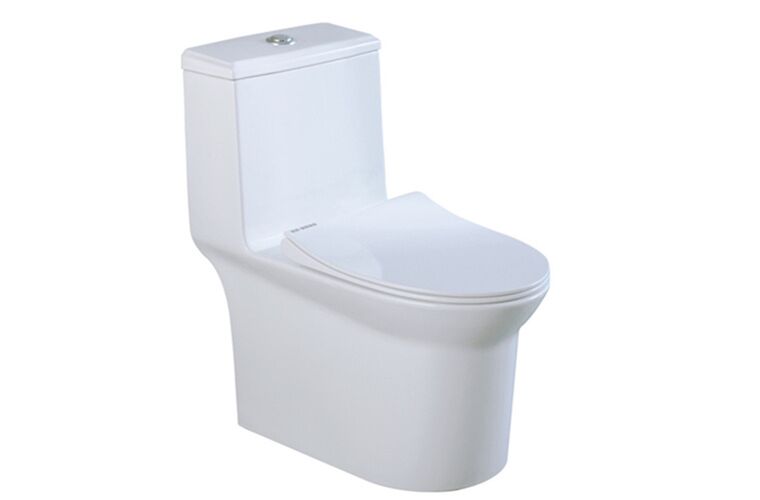
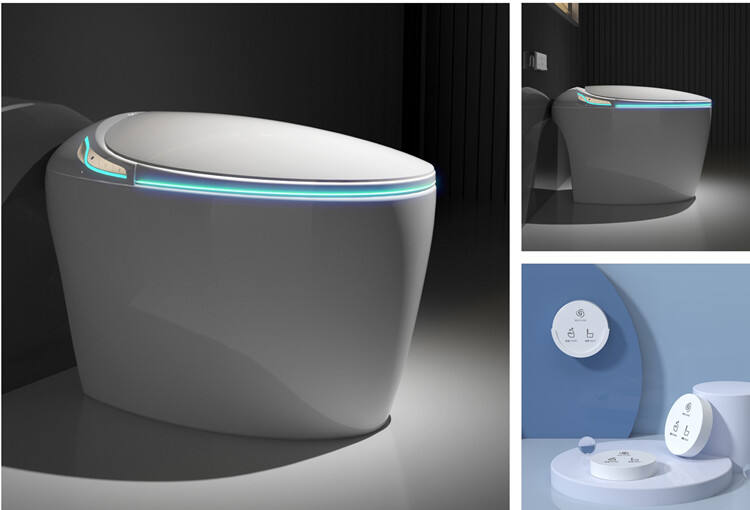
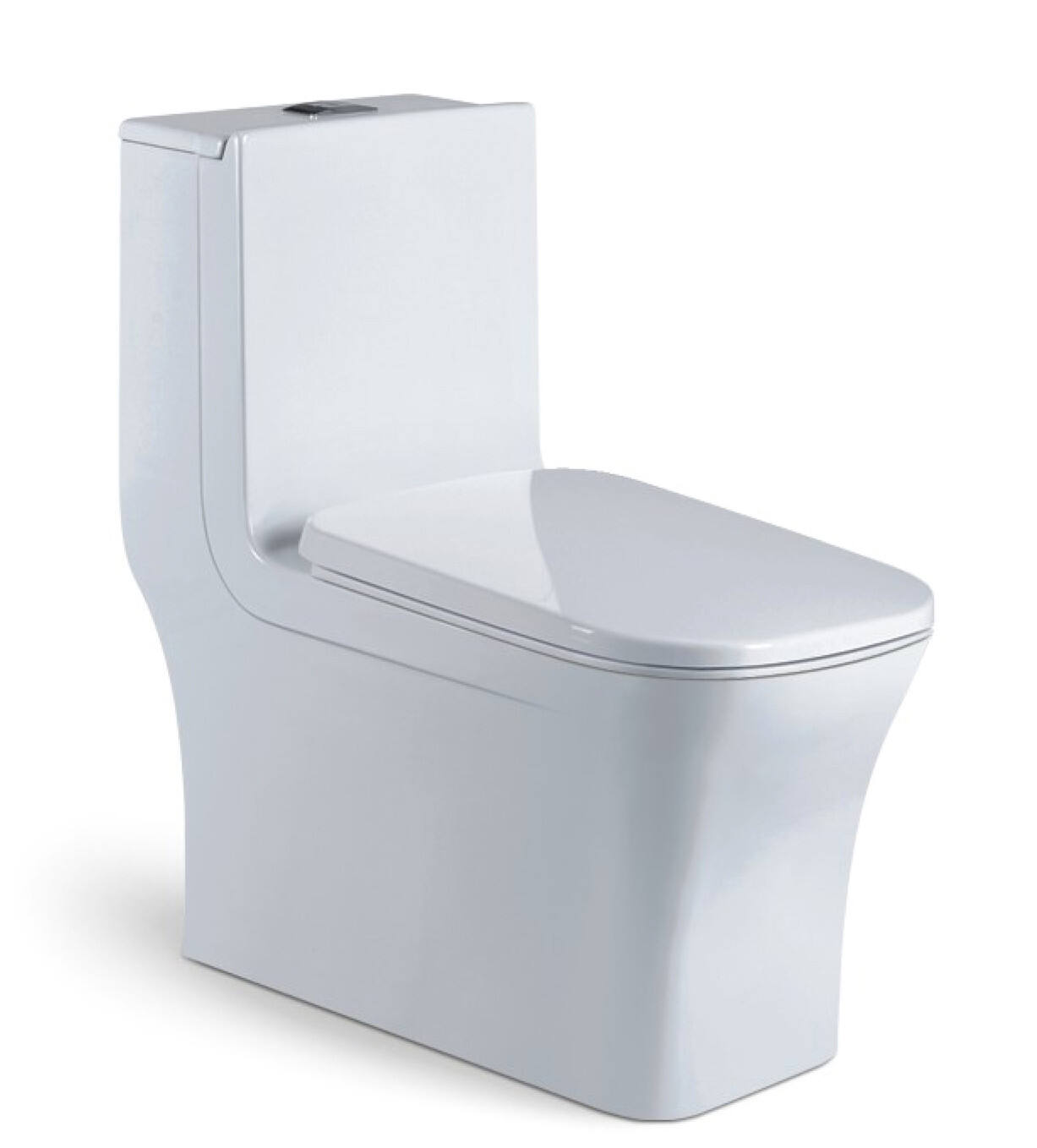
A commode seat represents an essential bathroom fixture designed to provide comfortable and hygienic seating for toilets across residential, commercial, and healthcare environments. This fundamental component serves as the primary interface between users and toilet bowls, offering critical support and comfort during daily bathroom activities. Modern commode seat designs incorporate advanced materials and engineering principles to deliver superior durability, cleanliness, and user experience. The primary function of a commode seat centers on providing stable, secure seating that accommodates various body types and user preferences. Contemporary models feature ergonomic contours that distribute weight evenly, reducing pressure points and enhancing comfort during extended use. The technological features integrated into today's commode seat options include antimicrobial surfaces that actively resist bacteria and odor-causing microorganisms. Many units incorporate quick-release mechanisms that allow effortless removal for thorough cleaning and maintenance. Advanced hinge systems utilize stainless steel or corrosion-resistant materials to ensure smooth operation and longevity. Some premium commode seat models include soft-close technology that prevents slamming, reducing noise and potential damage to both the seat and toilet bowl. Temperature-controlled variants offer heated seating surfaces for enhanced comfort, particularly beneficial in colder climates or seasons. The applications for commode seat installations span diverse settings including private homes, office buildings, restaurants, hospitals, nursing facilities, and public restrooms. Healthcare environments particularly benefit from specialized commode seat designs that accommodate mobility aids and provide additional safety features. The materials used in modern commode seat construction typically include high-grade plastics, engineered polymers, and treated wood products that resist moisture, staining, and bacterial growth. Surface treatments often incorporate easy-clean coatings that repel liquids and prevent adherence of waste materials, simplifying maintenance procedures and promoting better hygiene standards throughout facilities.
 EN
EN
 AR
AR BG
BG NL
NL FI
FI FR
FR DE
DE EL
EL IT
IT NO
NO PL
PL PT
PT RO
RO RU
RU ES
ES SV
SV TL
TL LV
LV LT
LT SR
SR UK
UK VI
VI SQ
SQ HU
HU MT
MT TH
TH AF
AF MS
MS KA
KA