Environmental Sustainability and Cost Efficiency
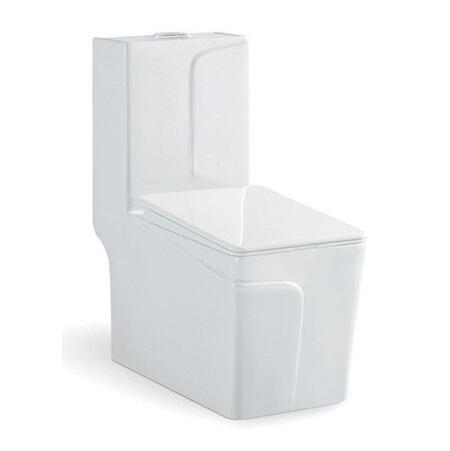
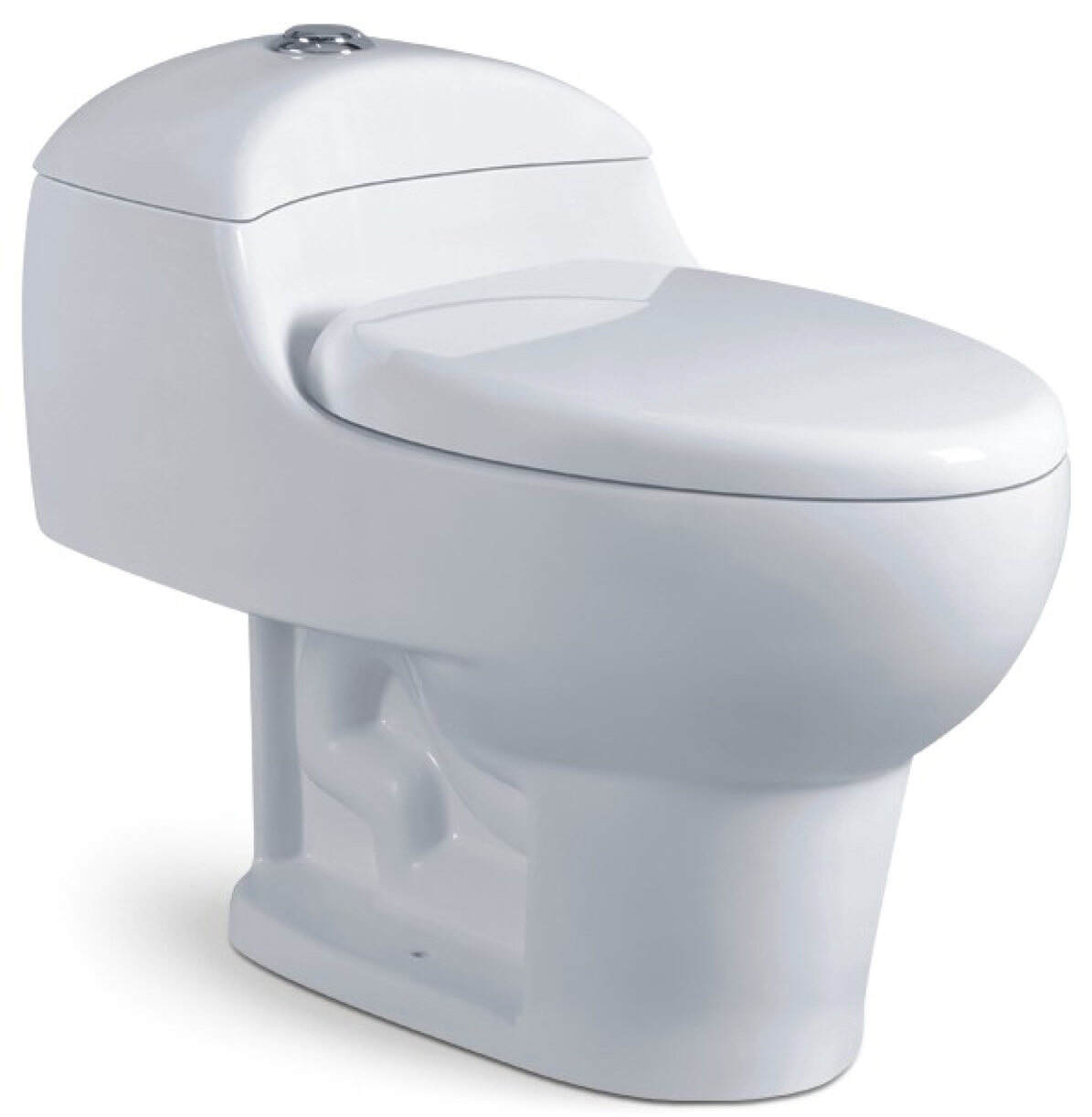
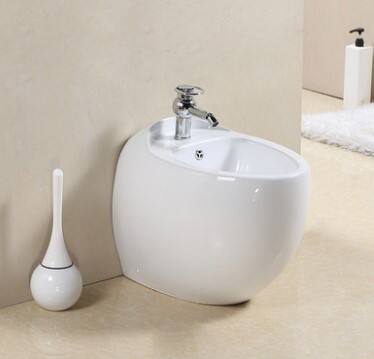
The environmental impact of bidet toilet adoption represents one of the most compelling arguments for this technology, offering substantial ecological benefits that extend far beyond individual households. The dramatic reduction in toilet paper consumption achieved through bidet toilet use directly contributes to forest conservation efforts, as the average household can eliminate up to 80% of their toilet paper usage. This reduction translates to saving approximately 384 trees per household over a lifetime, significantly impacting deforestation rates and preserving natural habitats. The manufacturing process for toilet paper requires extensive water usage, chemical processing, and energy consumption, all of which are reduced when bidet toilet systems replace paper-based hygiene methods. The carbon footprint associated with toilet paper production, packaging, and transportation is eliminated at the household level, contributing to reduced greenhouse gas emissions. From a cost perspective, the initial investment in a bidet toilet system pays for itself through eliminated toilet paper purchases, with most families saving between $150 to $300 annually on paper products alone. The durability of quality bidet toilet systems means this investment continues generating savings for decades, with proper maintenance extending operational life well beyond traditional toilet replacements. Water usage in bidet toilet operation proves remarkably efficient, typically consuming only a small fraction of water compared to the manufacturing requirements for equivalent toilet paper production. The energy efficiency of modern bidet toilet systems incorporates smart power management, using electricity only when active functions are engaged, while standby power consumption remains minimal. Many models feature eco-modes that optimize water temperature and pressure for environmental efficiency without compromising cleansing effectiveness. The reduced waste stream from eliminated toilet paper packaging contributes to decreased household waste generation, reducing landfill burden and associated environmental costs. Long-term economic benefits include reduced plumbing maintenance costs, as bidet toilet use decreases the likelihood of clogs and system blockages caused by excessive toilet paper usage.

 EN
EN
 AR
AR BG
BG NL
NL FI
FI FR
FR DE
DE EL
EL IT
IT NO
NO PL
PL PT
PT RO
RO RU
RU ES
ES SV
SV TL
TL LV
LV LT
LT SR
SR UK
UK VI
VI SQ
SQ HU
HU MT
MT TH
TH AF
AF MS
MS KA
KA