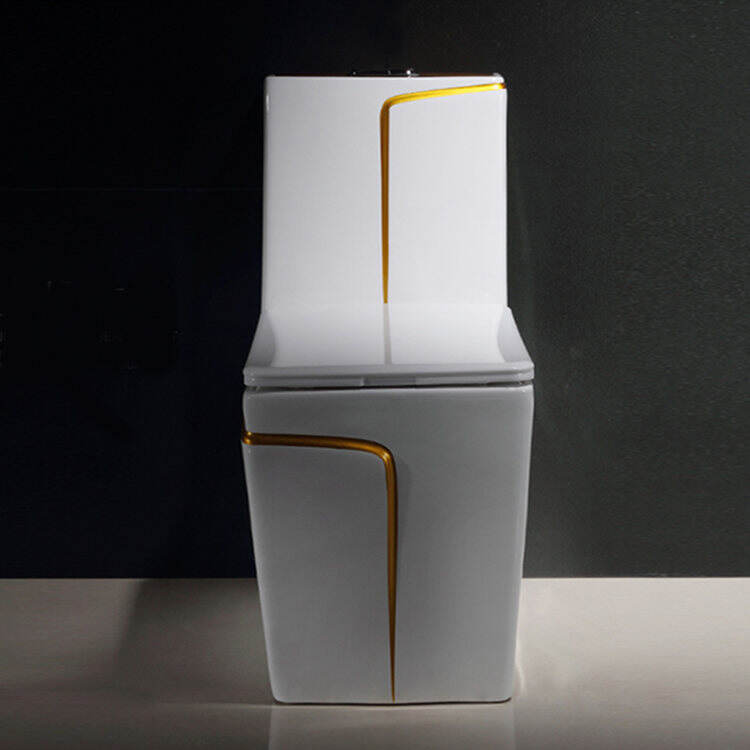
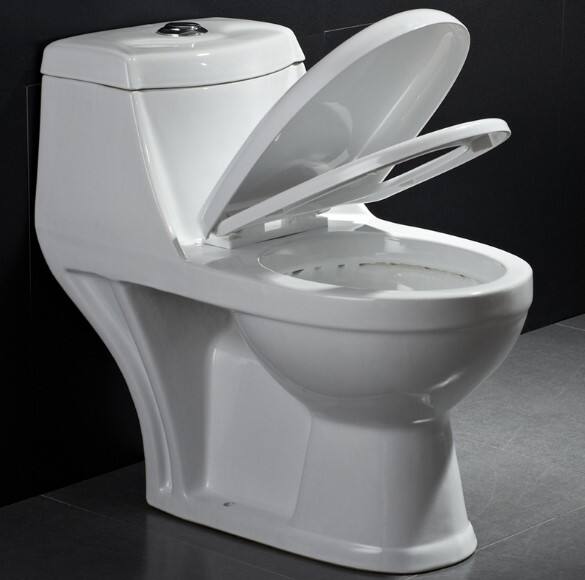
automatic flush toilet
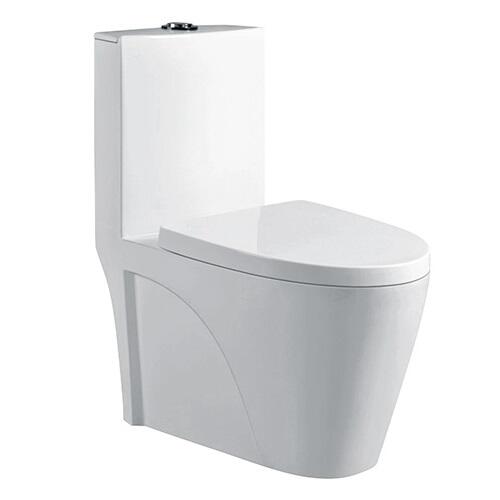
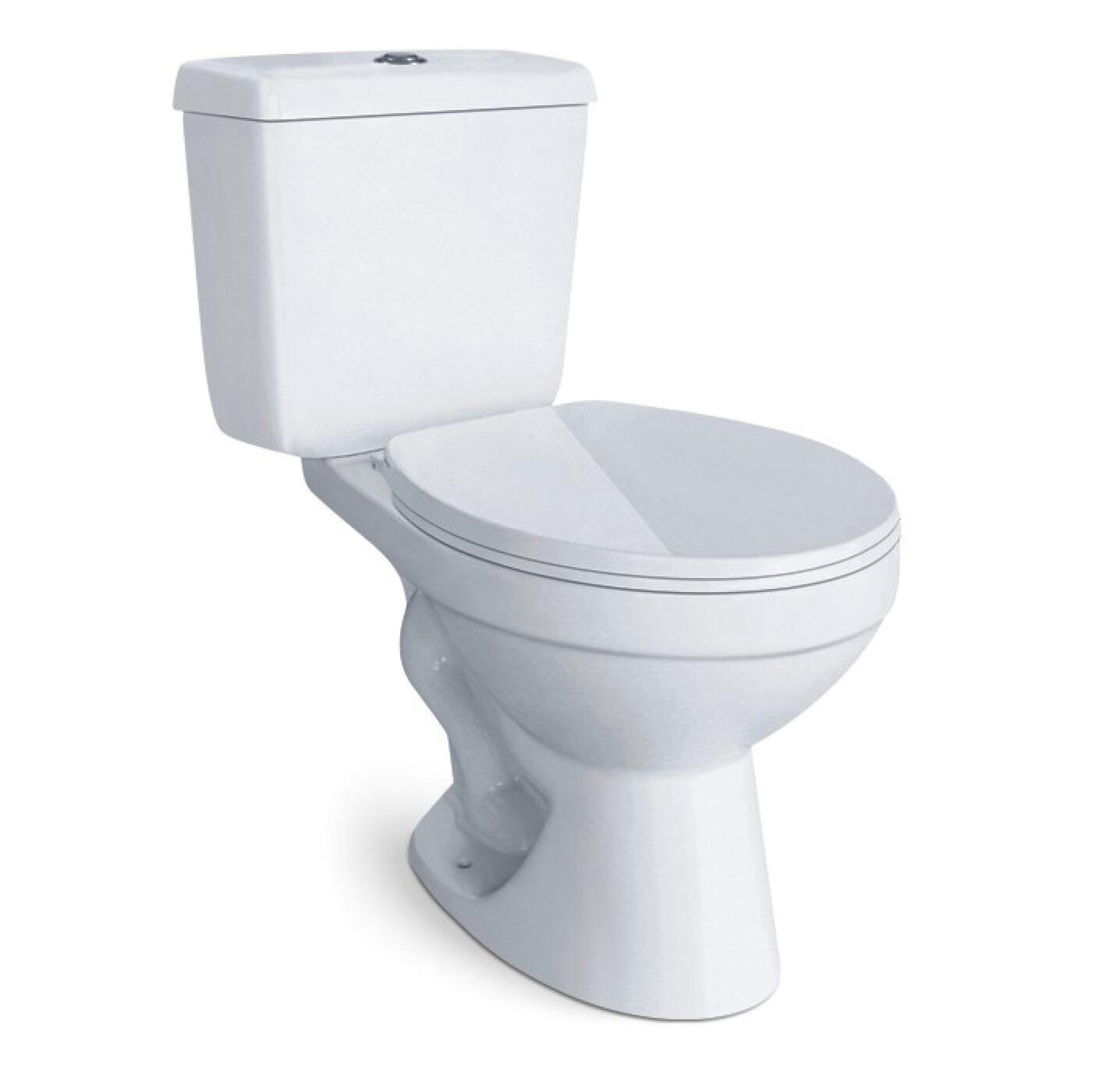
The automatic flush toilet represents a significant advancement in modern bathroom technology, combining convenience, hygiene, and water efficiency in a single sophisticated system. This innovative toilet features sensor-based technology that detects user presence and automatically initiates the flushing process without requiring manual intervention. The automatic flush toilet utilizes infrared sensors or motion detection systems strategically positioned to identify when a user approaches or leaves the toilet area, ensuring reliable and consistent operation across diverse environments. These toilets incorporate dual-flush mechanisms that adjust water usage based on waste type, optimizing water consumption while maintaining effective waste removal. The technological framework includes programmable flush delays, allowing customization of timing intervals between user departure and flush activation. Advanced models feature backup manual flush options, ensuring functionality during power outages or sensor malfunctions. The automatic flush toilet systems integrate seamlessly with existing plumbing infrastructure while offering enhanced durability through corrosion-resistant components and waterproof sensor housings. Applications span commercial facilities, healthcare institutions, educational establishments, hospitality venues, and residential properties seeking premium bathroom solutions. Installation flexibility accommodates both new construction projects and retrofit applications, with various mounting configurations available for wall-hung and floor-mounted designs. The automatic flush toilet technology supports multiple power sources, including battery operation and hardwired electrical connections, providing installation versatility across different building types. Maintenance requirements remain minimal due to self-diagnostic capabilities that monitor system performance and alert users to potential issues. These toilets feature antimicrobial surface treatments and touchless operation that significantly reduce bacterial transmission risks. Water conservation algorithms analyze usage patterns and adjust flush parameters accordingly, contributing to sustainable water management practices while ensuring optimal cleaning performance for every use.
 EN
EN
 AR
AR BG
BG NL
NL FI
FI FR
FR DE
DE EL
EL IT
IT NO
NO PL
PL PT
PT RO
RO RU
RU ES
ES SV
SV TL
TL LV
LV LT
LT SR
SR UK
UK VI
VI SQ
SQ HU
HU MT
MT TH
TH AF
AF MS
MS KA
KA